

Made in Portugal: The Quiet Revolution of Portuguese Design
By Miguel Sur
Portugal is quietly becoming a cult name in contemporary design. This isn’t about mass trends or loud marketing campaigns. It’s about understated elegance, sustainable materials, conscious production, and an aesthetic rooted in timeless simplicity over excess. This is the silent revolution of Portuguese design — and the world is finally starting to listen.
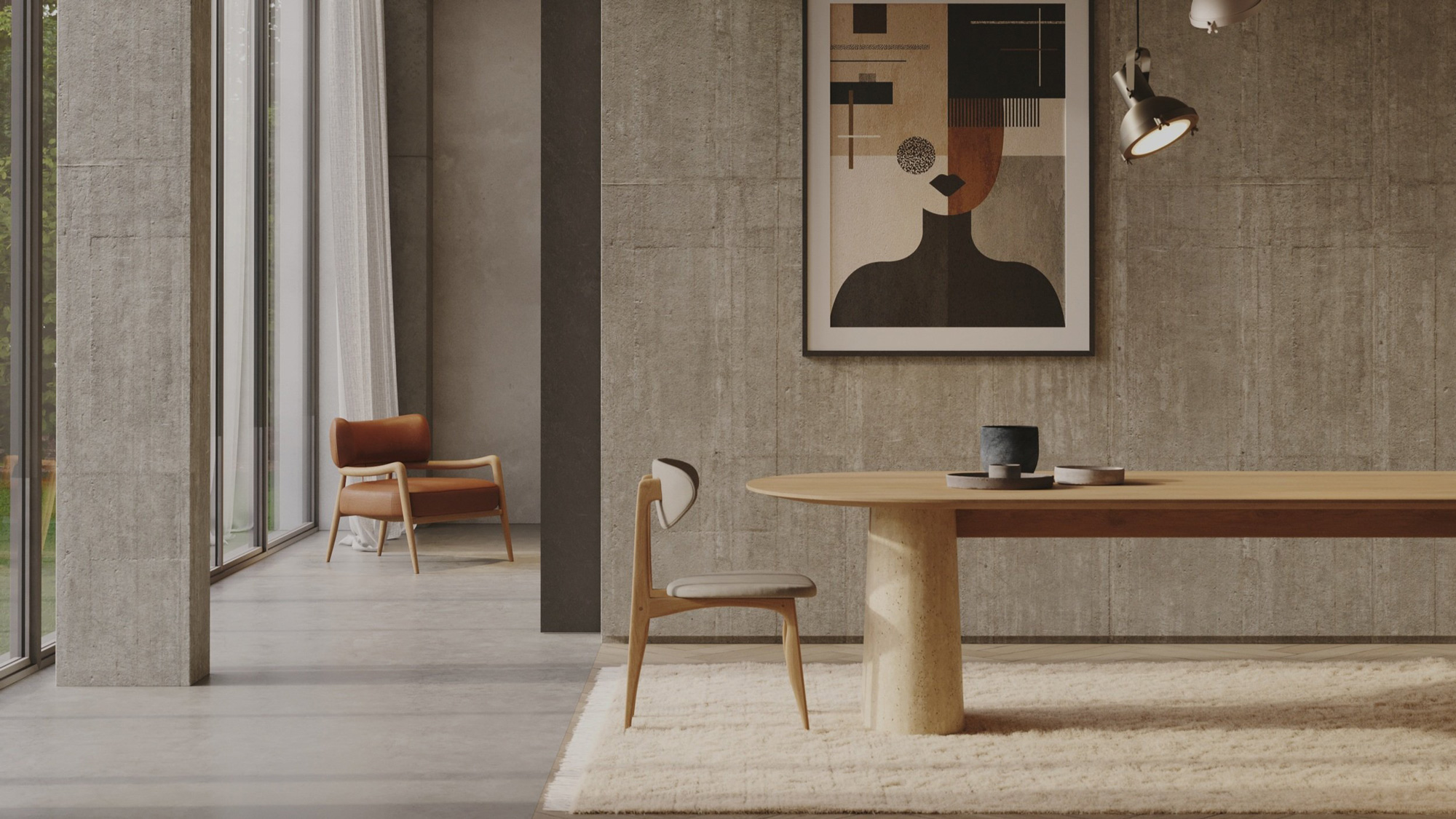
©Wewood
From century-old factories to minimalist ateliers, from the granite landscapes of the North to the golden light of the Alentejo, a new generation of designers, artisans and brands is placing Portugal on the global design map, blending local savoir-faire with international sophistication.
A natural material turned symbol of clean tech and quiet luxury.
Cork: A national symbol, a future material
Portugal is the world’s largest producer of cork, and it has turned this natural resource into a signature of design and innovation. Cork is no longer just a bottle stopper or classroom flooring — it’s sculptural furniture, luxury surfaces, and a core element in sustainable architecture around the world.
Blackcork, created by the AMORIM group, is a design lab focused on contemporary pieces made from black cork. Designed by names like Toni Grilo, Daniel Vieira, Gonçalo Campos and Luís Nascimento, these works celebrate form, texture and lightness — from stools to sofas and lamps that feel like sculptures.
Wicanders, a brand specialising in premium wall and floor coverings, merges cork with wood or stone to offer thermal and acoustic insulation with a design-driven touch. Its sustainable and technical performance has earned it global recognition.
Amorim Cork Solutions develops expanded cork for engineering, architecture and industrial design — supplying solutions for the London Underground, Japanese eco-buildings, and passive houses in California. A landmark moment was the Portuguese Pavilion at Expo Shanghai 2010, built entirely out of cork.
In 2025, Portuguese cork was granted tariff exemption in the US — a rare acknowledgment of its ecological and economic impact. A natural material turned symbol of clean tech and quiet luxury.
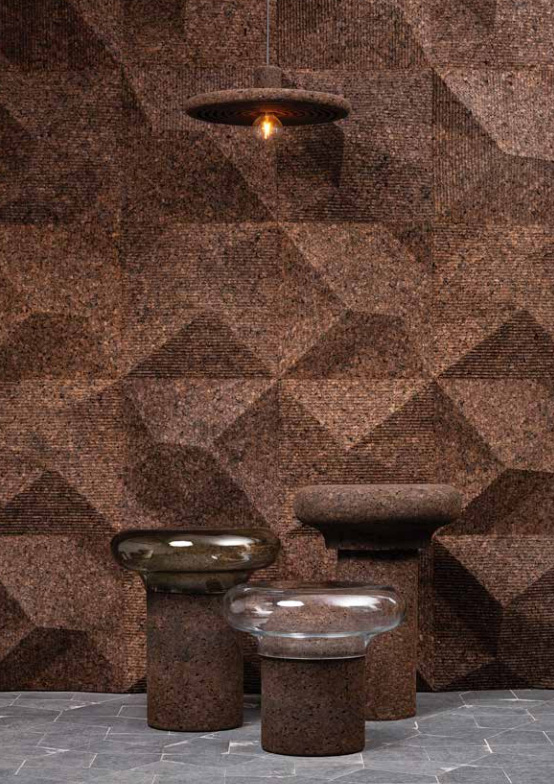
©Blackcork
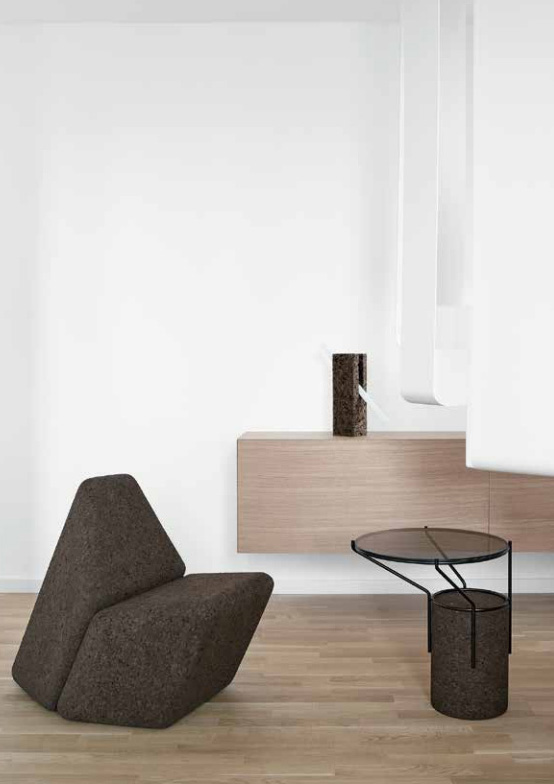
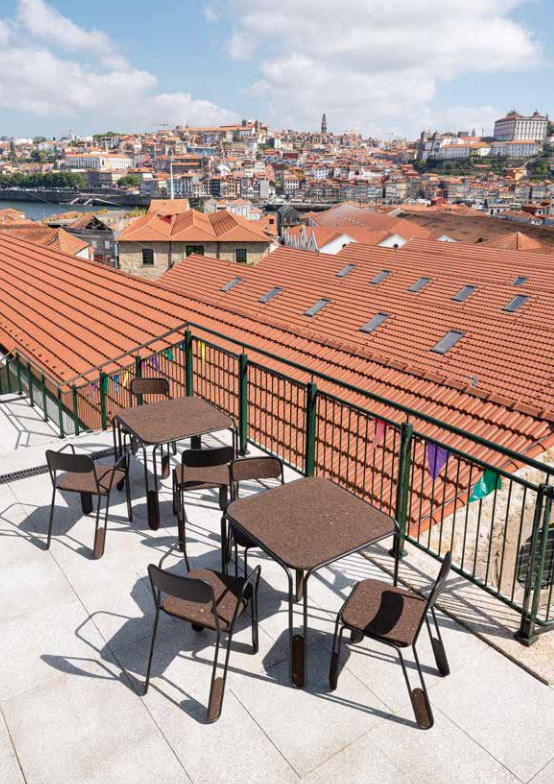
Paving the way for a new, conscious textile economy.
Technical textiles, minimalism and local ethics
Portugal’s textile industry was once known for low-cost production. Today, it has reinvented itself as a premium supplier for brands like Stella McCartney, Ralph Lauren and COS. But more importantly, it’s nurturing its own design DNA.
Names like ISTO., +351, La Paz, Naz, focus on local, ethical production and pieces designed to endure. Think elevated essentials: a flawless T-shirt, a linen shirt with architectural structure, a fisherman’s jumper that ages with grace.
ISTO. creates perfect-cut wardrobe staples in organic cotton, all made in Portugal, with radical transparency — every cost is detailed online, item by item.
La Paz, born in Porto, draws from Portugal’s maritime culture: linen shirts, fisherman knits and subtle prints with relaxed yet refined aesthetics. It’s slow fashion with a purpose.
+351 based in Lisbon, brings effortless streetwear inspired by the city’s Atlantic energy. Their pieces are crafted locally using sustainable fibres — casual yet rooted in place.
In the Vale do Ave, Portugal’s textile heartland, local know-how meets innovation: waterless dyeing, recycled fibres, circular practices and partnerships with universities are paving the way for a new, conscious textile economy.
On the more conceptual edge, designers such as Constança Entrudo, David Catalán, and Hugo Costa are redefining Portuguese aesthetics with bold textures, experimental forms and visual storytelling — making appearances at fashion weeks in Paris, Tokyo or Copenhagen. Platforms like Portugal Fashion, Bloom (supporting young talents), and the MODATEX training institute have played a crucial role in shaping a thoughtful, sustainable and subtly influential scene.
Portugal still manufactures for the global fashion industry — but today, it also dresses a new generation of Portuguese who seek alignment between style and substance. It’s fashion that feels as good as it looks.
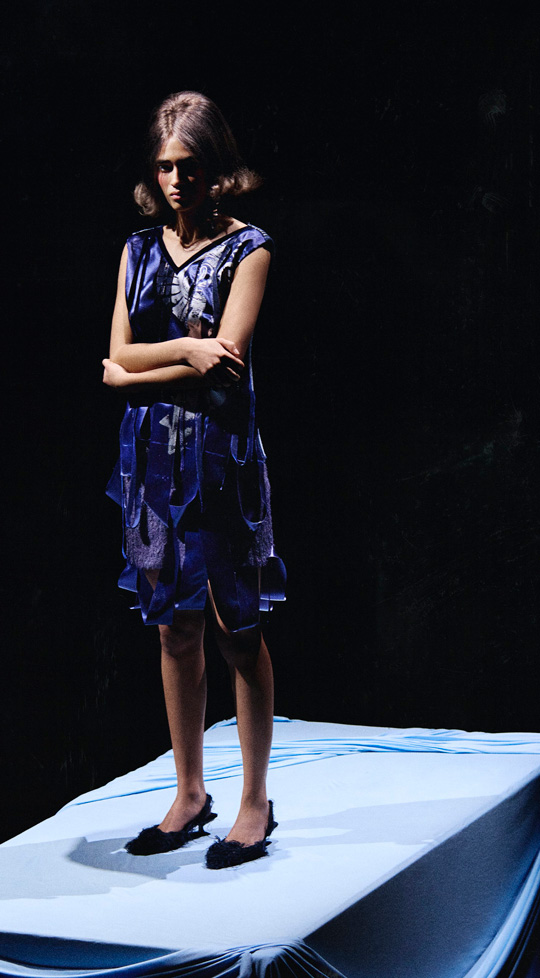
©Constança Entrudo
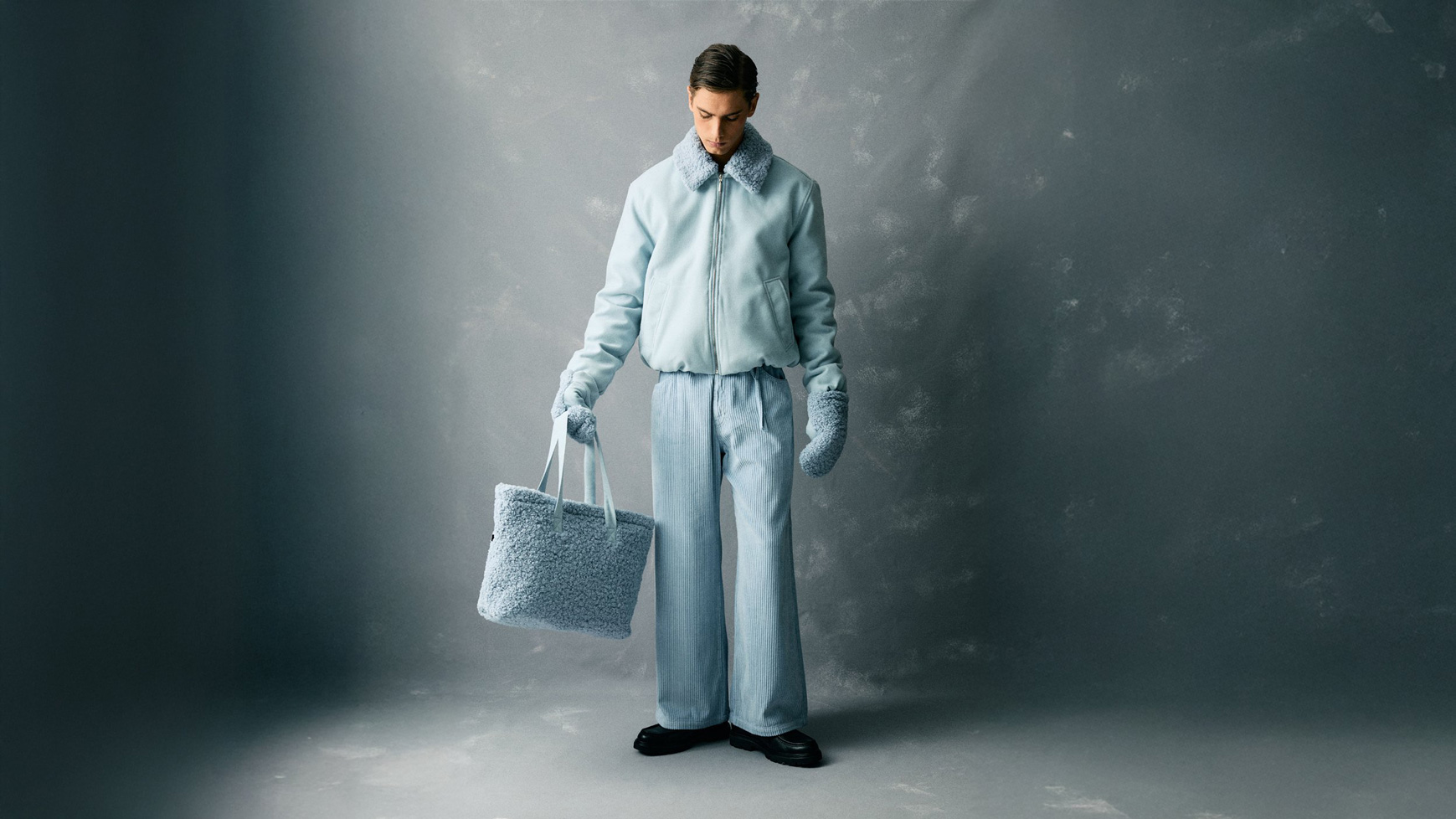
©David Catalán
Sophisticated, contemporary and unmistakably global.
Furniture with soul, precision and identity
Brands like Wewood, Mambo Unlimited Ideas, Serip and DelightFULL show that Portuguese interior design can be sophisticated, contemporary and unmistakably global. Working with native wood, fine metalwork or hand-blown glass, these pieces are now featured in showrooms in New York, Milan and Tokyo.
The magic lies in the detail: perfect proportions, handcrafted finishes, a harmony between form and function.
Wewood specialises in solid wood furniture, entirely made in Portugal. Each piece is designed by architects and crafted by artisans, honouring the material and elevating it into timeless objects.
Mambo Unlimited Ideas, based in Lisbon, blends retro design with tropical vibrancy — handmade ceramics, bold colour palettes and metal structures appear regularly at Maison & Objet and other design fairs.
Serip produces sculptural lighting with hand-blown glass and organic forms. Think chandeliers that resemble vines, droplets or minerals — present in luxury hotels from Dubai to Seoul.
DelightFULL channels mid-century soul with a jazz and cinema twist. Their statement lamps evoke 1950s design with a metallic, handcrafted finish — and can be found in the world’s most curated interiors.
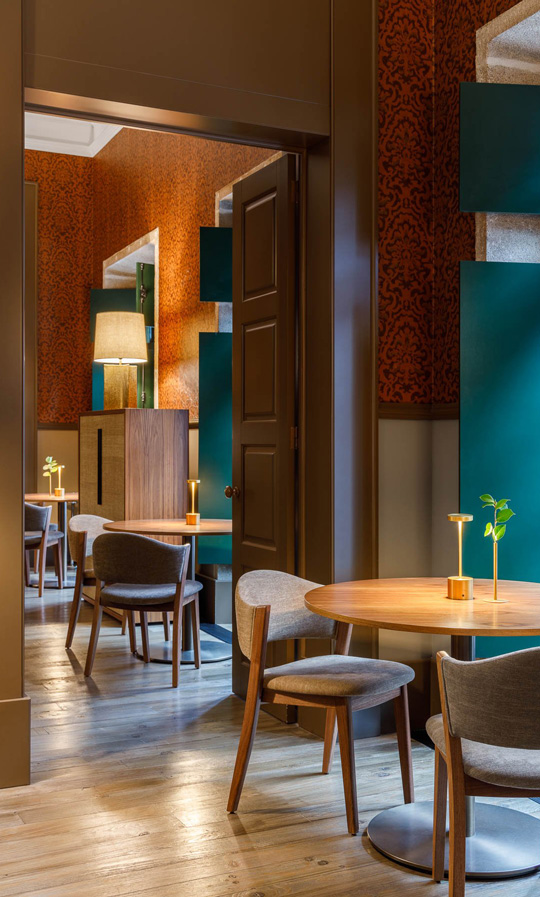
©Wewood
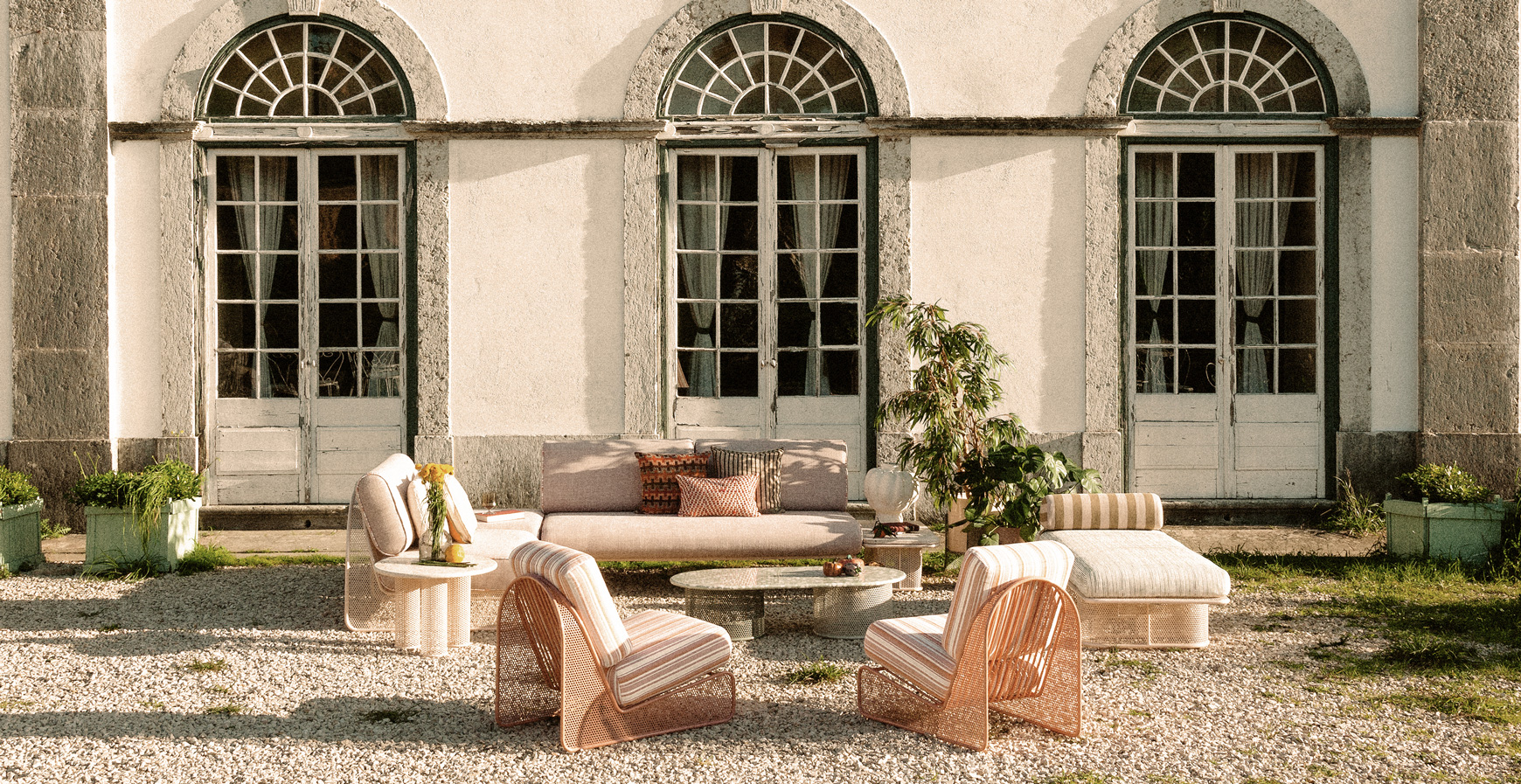
©Mambo Unlimited Ideas
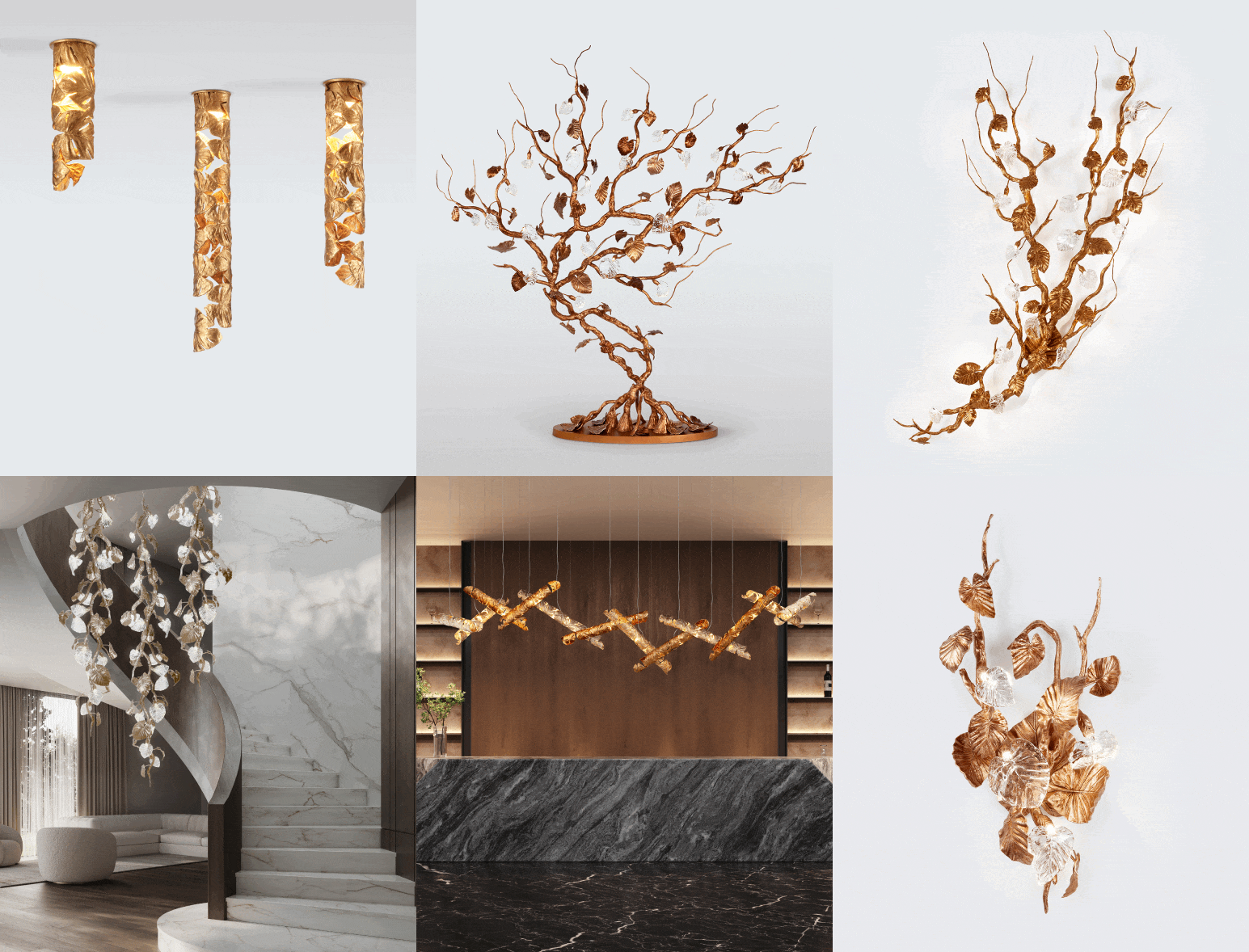
©Serip
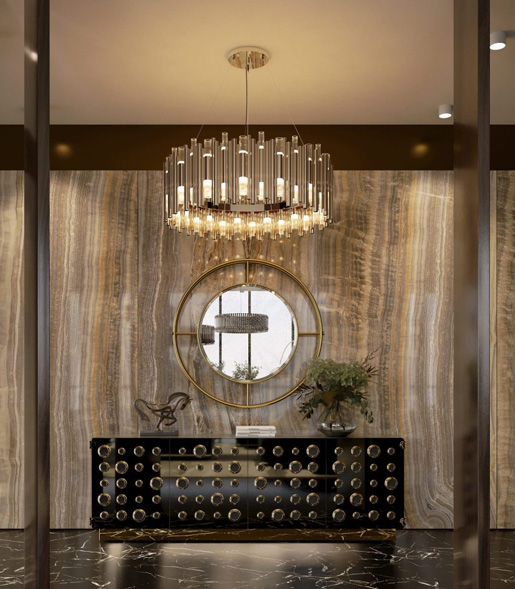
©DelightFULL
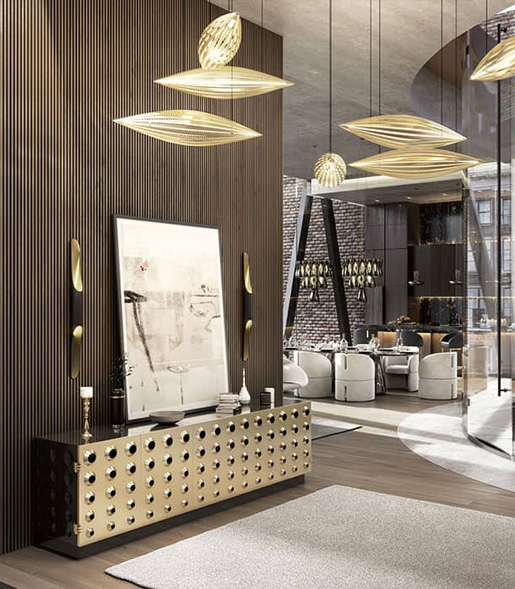
©DelightFULL
Portugal ranks as the world’s 11th largest footwear exporter.
Footwear: the new face of “Made in Portugal”
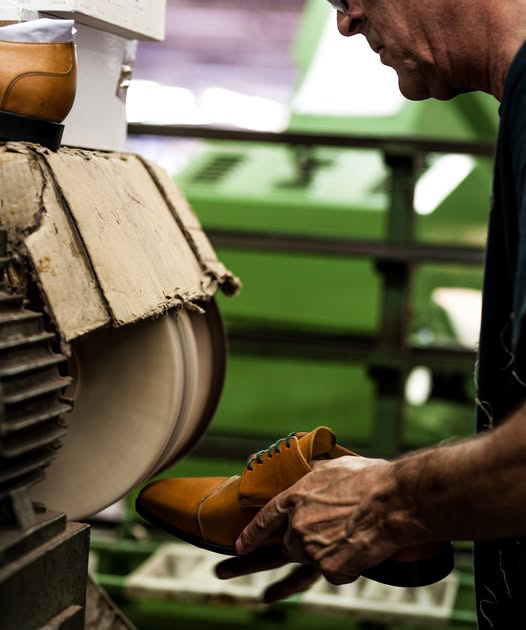
Portugal ranks as the world’s 11th largest footwear exporter — but among the highest in value per pair. The region between Guimarães and Santa Maria da Feira, now known as the “Shoe Valley”, is a creative cluster expecting €600 million in investment by 2030.
Brands like Undandy, Ambitious, Josefinas and Luis Onofre are already on the shelves of international concept stores. Meanwhile, APICCAPS, the national industry association, has launched one of the most effective rebranding campaigns in Portuguese manufacturing — built on storytelling, fashion and tech.
Fly London, founded in the 1990s, merges British edge with Portuguese craftsmanship. A staple of export success, the brand expanded into apparel and accessories in 2010, keeping its urban, offbeat spirit.
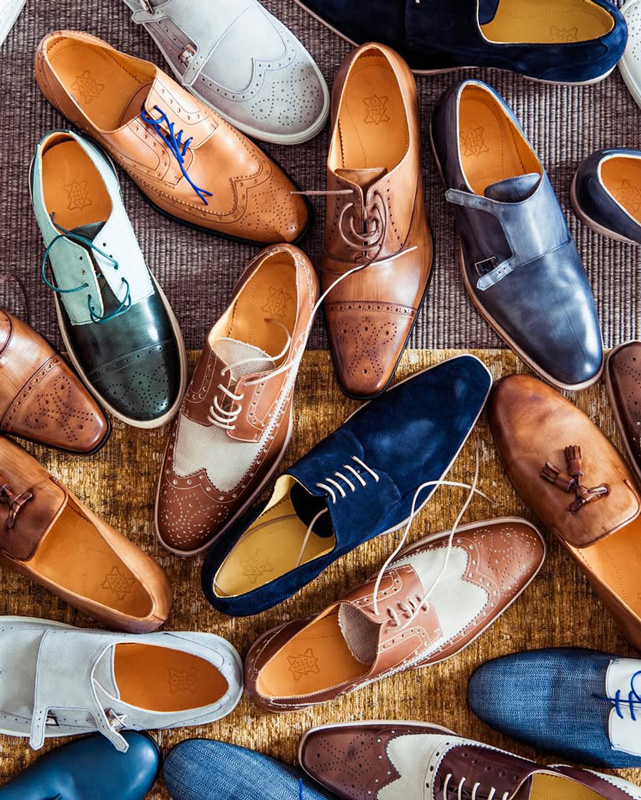
Undandy offers customisable men’s shoes — customers choose materials, colours and finishes online. Handmade in Portugal and delivered globally, the brand is a digital-native symbol of slow luxury.
Ambitious focuses on versatile, contemporary men’s footwear. With ethically sourced leathers, recycled components and minimalist lines, it blends comfort and performance with modern elegance.
Josefinas began as a statement of female empowerment — ballet flats made by hand, built on storytelling and intention. It went viral with creative collaborations and remains a standout in soulful footwear.
Luis Onofre represents elegance and precision in women’s luxury shoes. His collections, crafted in Portugal, are known for refined design and couture-level finishing — a name synonymous with elevated craftsmanship.
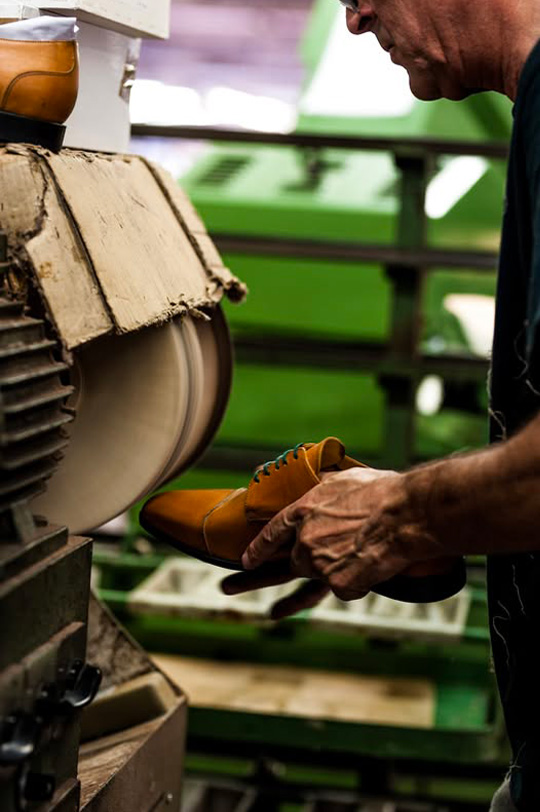
©Undandy
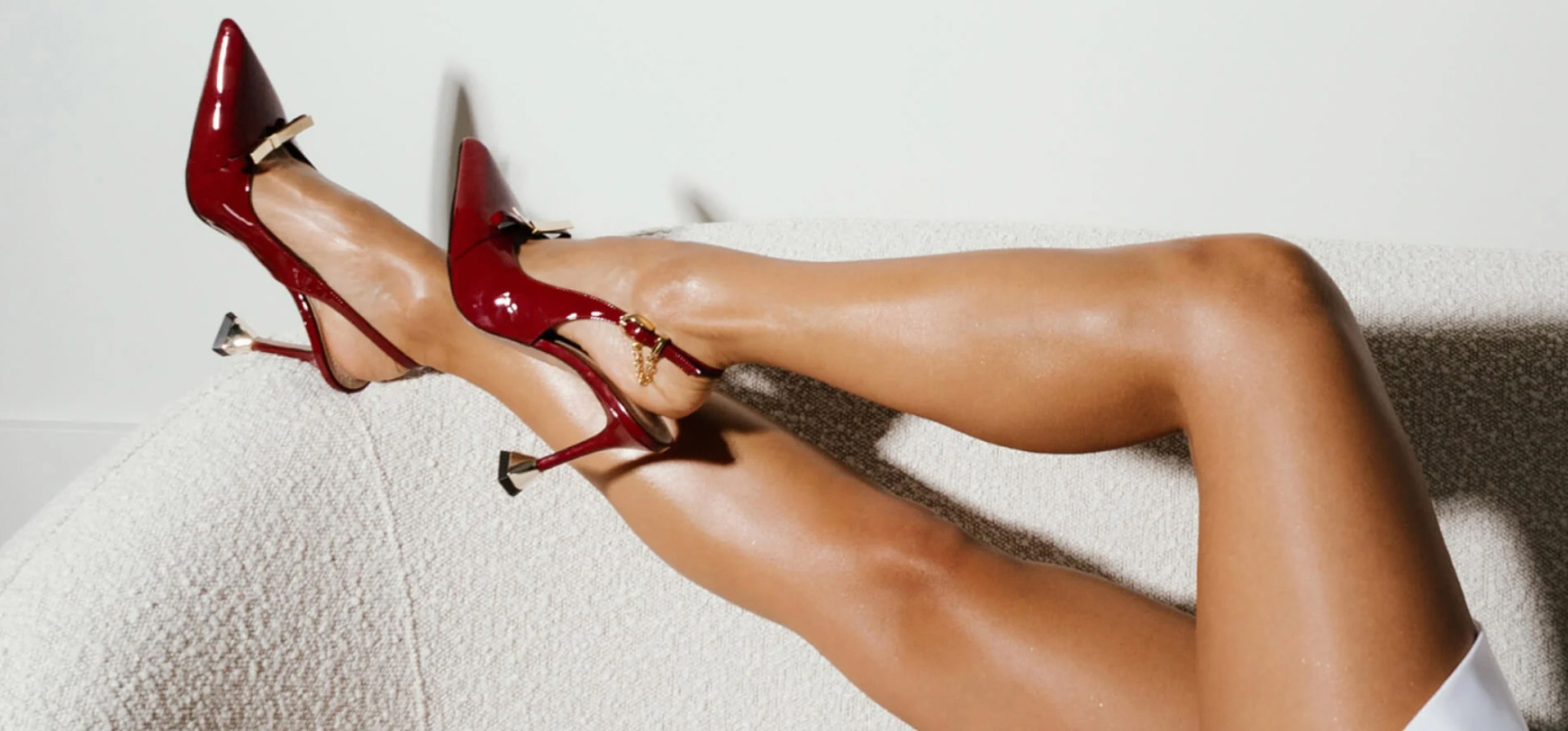
©Luis Onofre
©Undandy
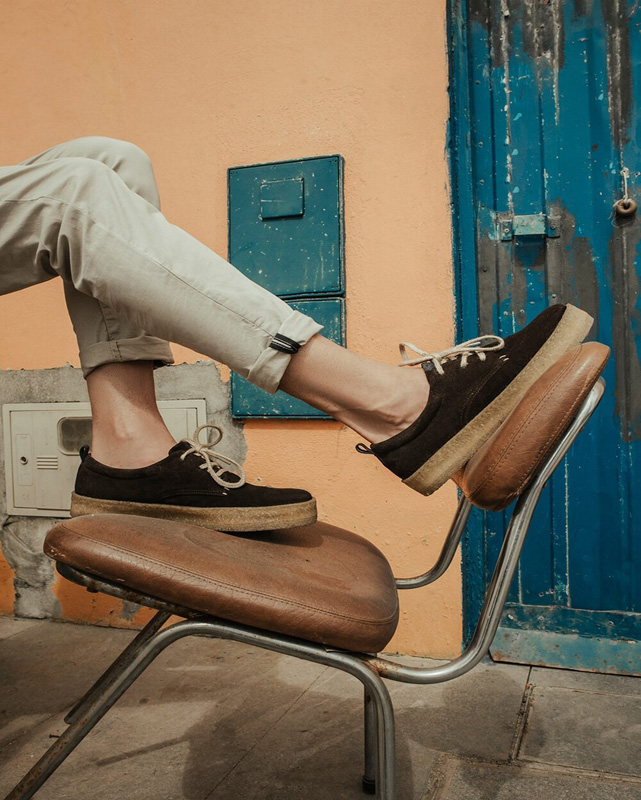
©Lusquinos
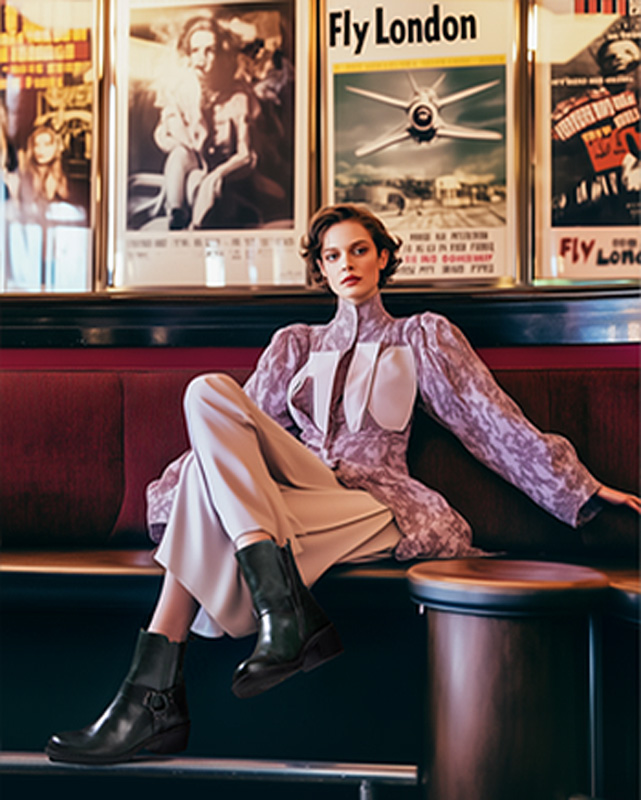
©Fly London
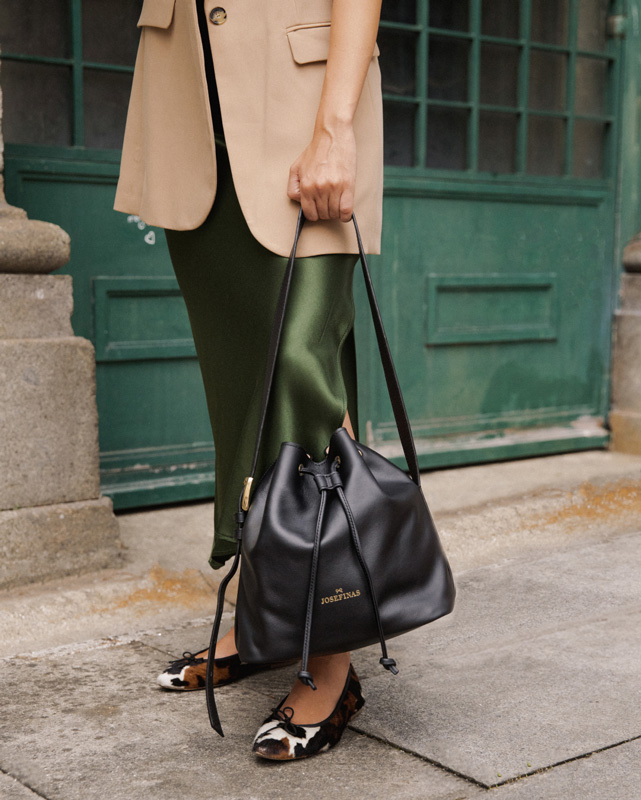
©Josefinas
Design thinking and invisible innovation
Portuguese design isn’t just about aesthetics it’s a mindset.
It lives in tech companies like Defined.ai, Feedzai or Unbabel, who excel in UX/UI.
It shapes packaging in brands like Claus Porto or Benamôr, where design extends the product experience.
It appears in gastronomy, where chefs like Pedro Pena Bastos or Alexandre Silva create menus as narratives.
Menus as narratives.
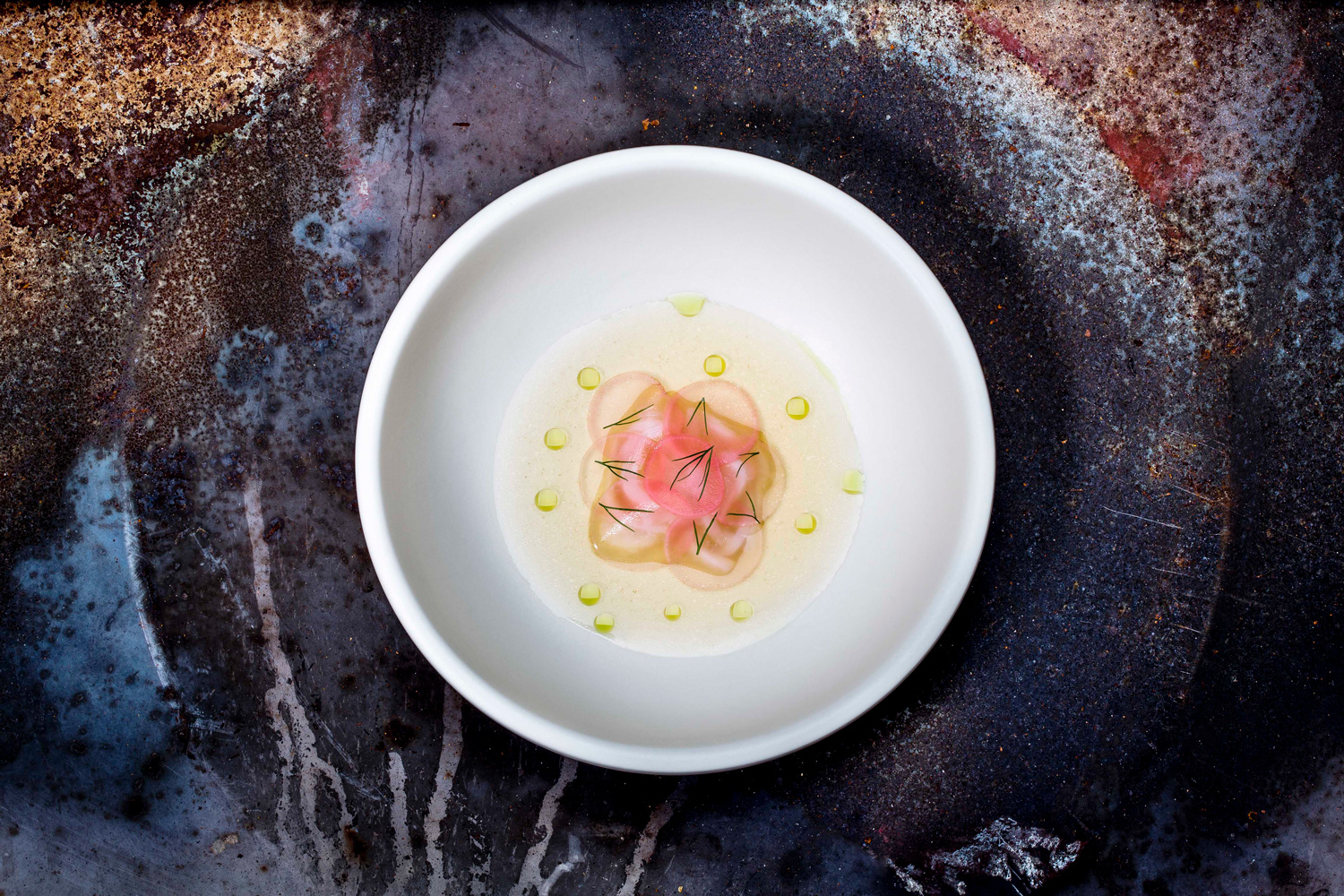
©Alexandre Silva
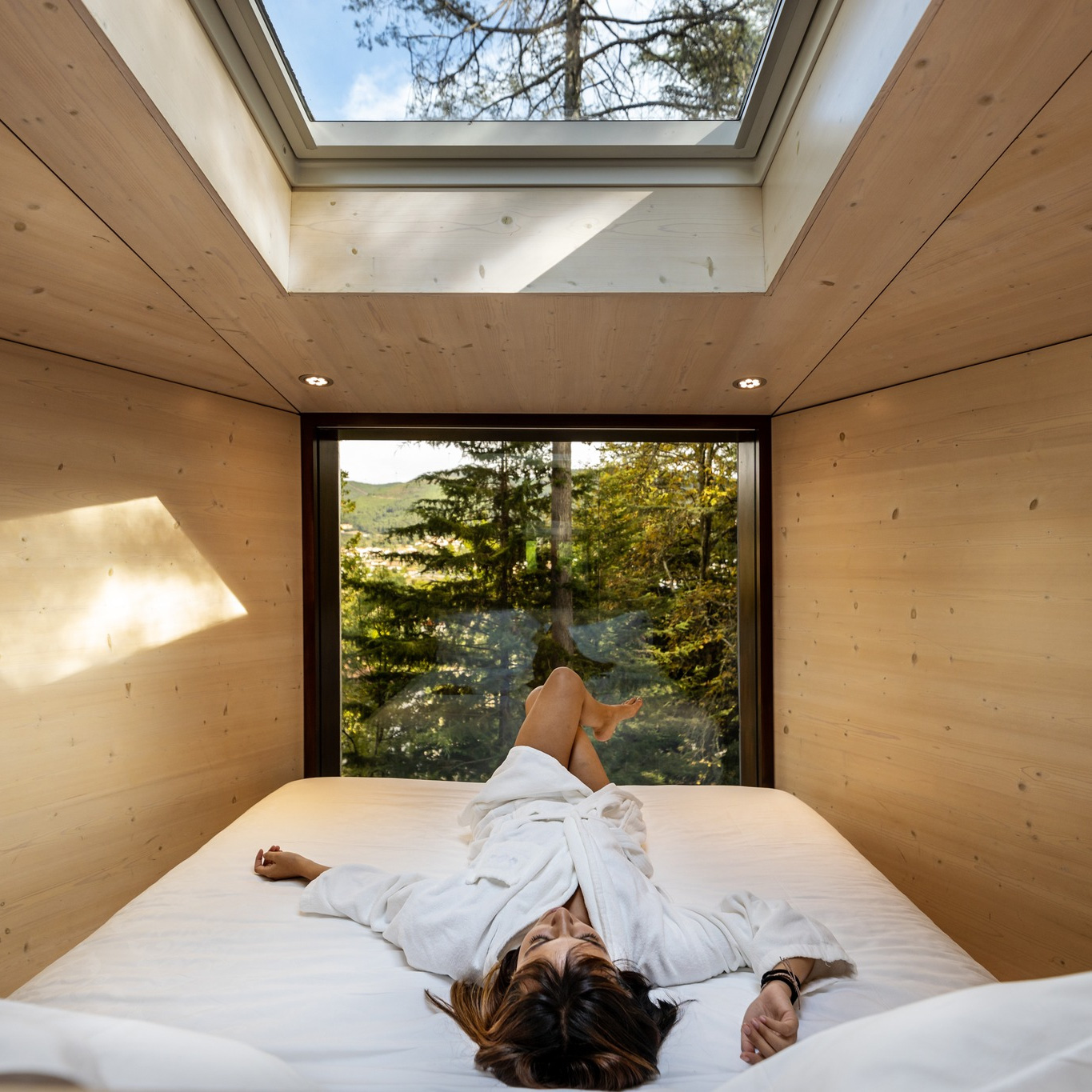
It’s present in hospitality — from Casa Modesta in the Algarve to Casa do Rio Wine Hotel in the Douro, proving that luxury can live in silence, in the view, in a linen towel hand-embroidered by someone’s grandmother.
And it runs through contemporary architecture in the gestures of Manuel Aires Mateus, Siza Vieira, or Souto Moura — where space becomes a whisper, not a shout.
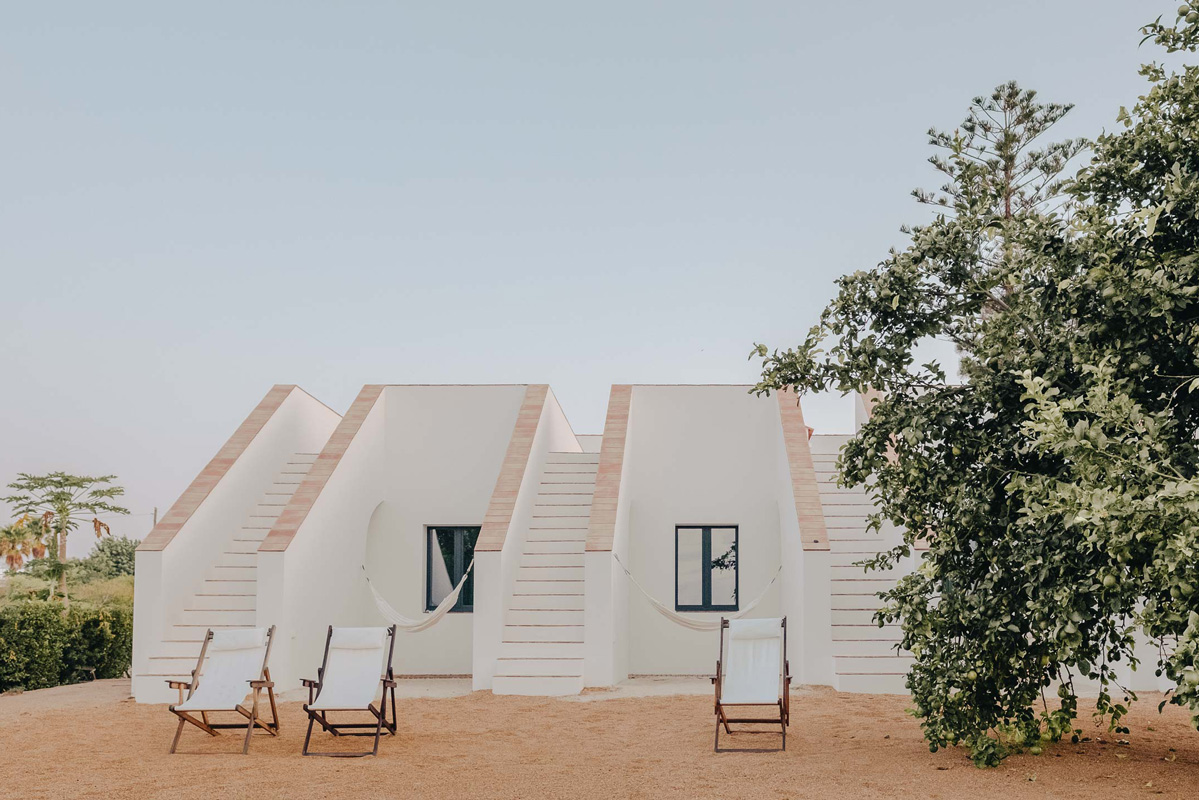
©Casa Modesta - PAr Plataforma de Arquitetura
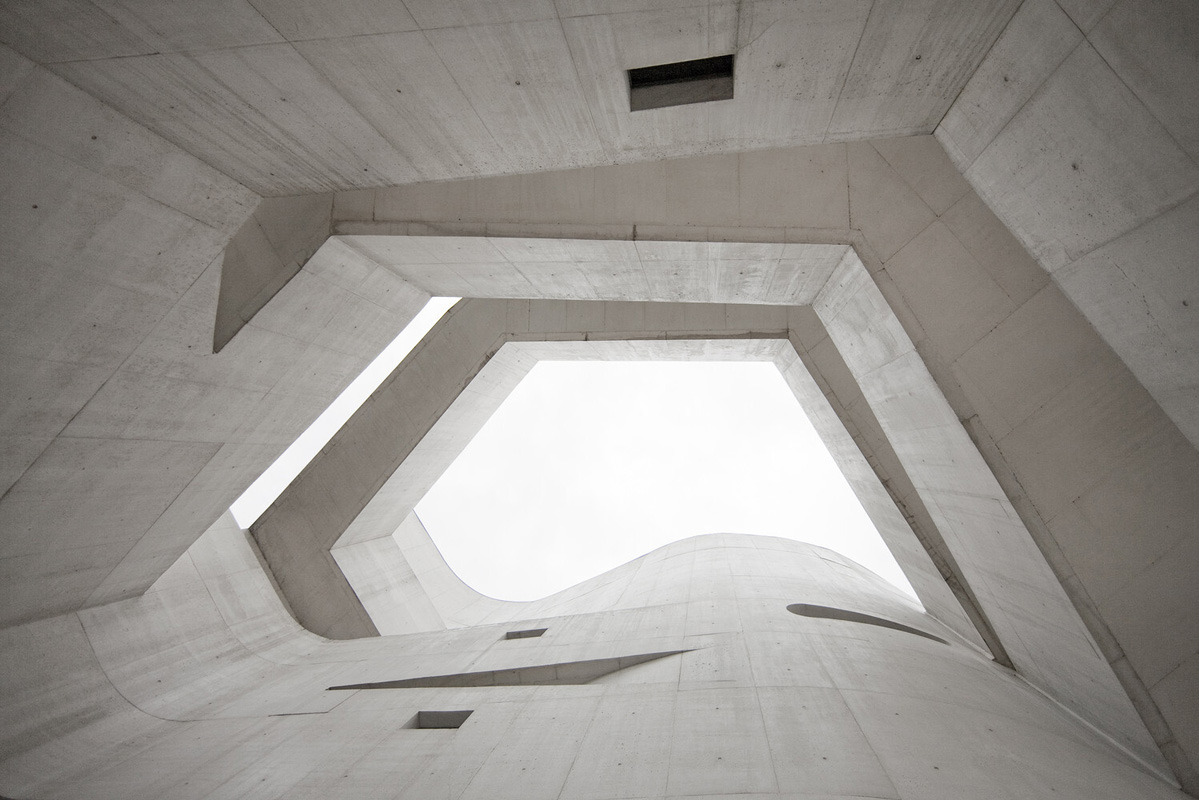
©Fundação Iberê Camargo - Siza Vieira
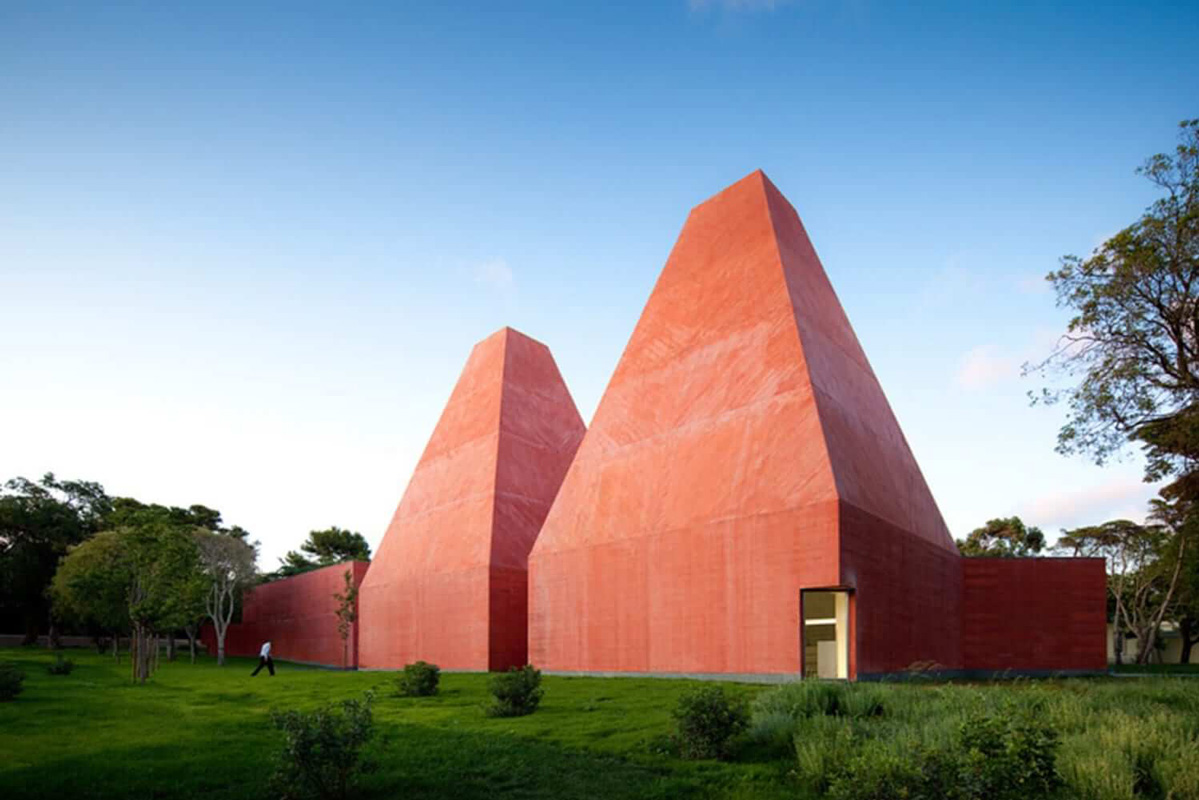
©Casa das Histórias Paula Rego - Eduardo Souto Moura
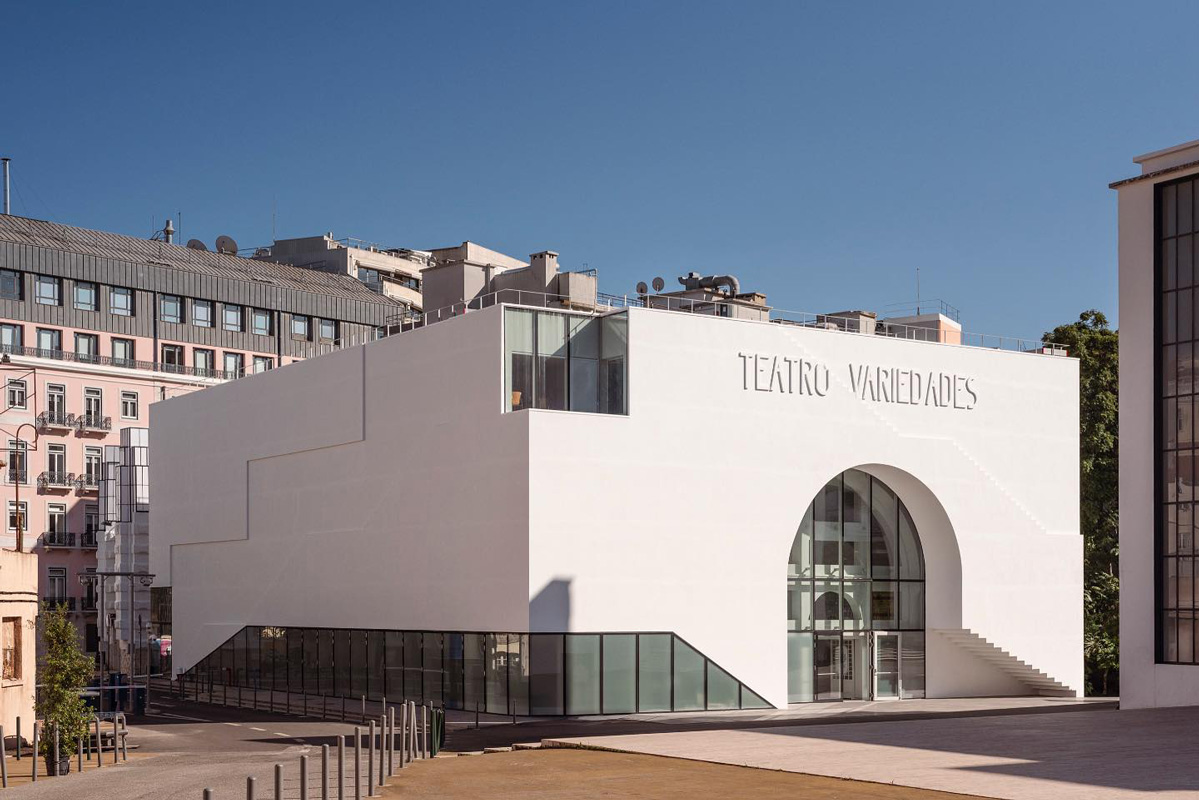
©Teatro Variedades - Manuel Aires Mateus
The luxury of subtlety
“Made in Portugal” no longer just means “made”. It stands for visual culture, ethical innovation, and sophistication without ostentation. A design language that respects materials, values time, and prioritises durability over display.
Portugal is quietly reshaping the world of design — and doing it with impeccable taste.
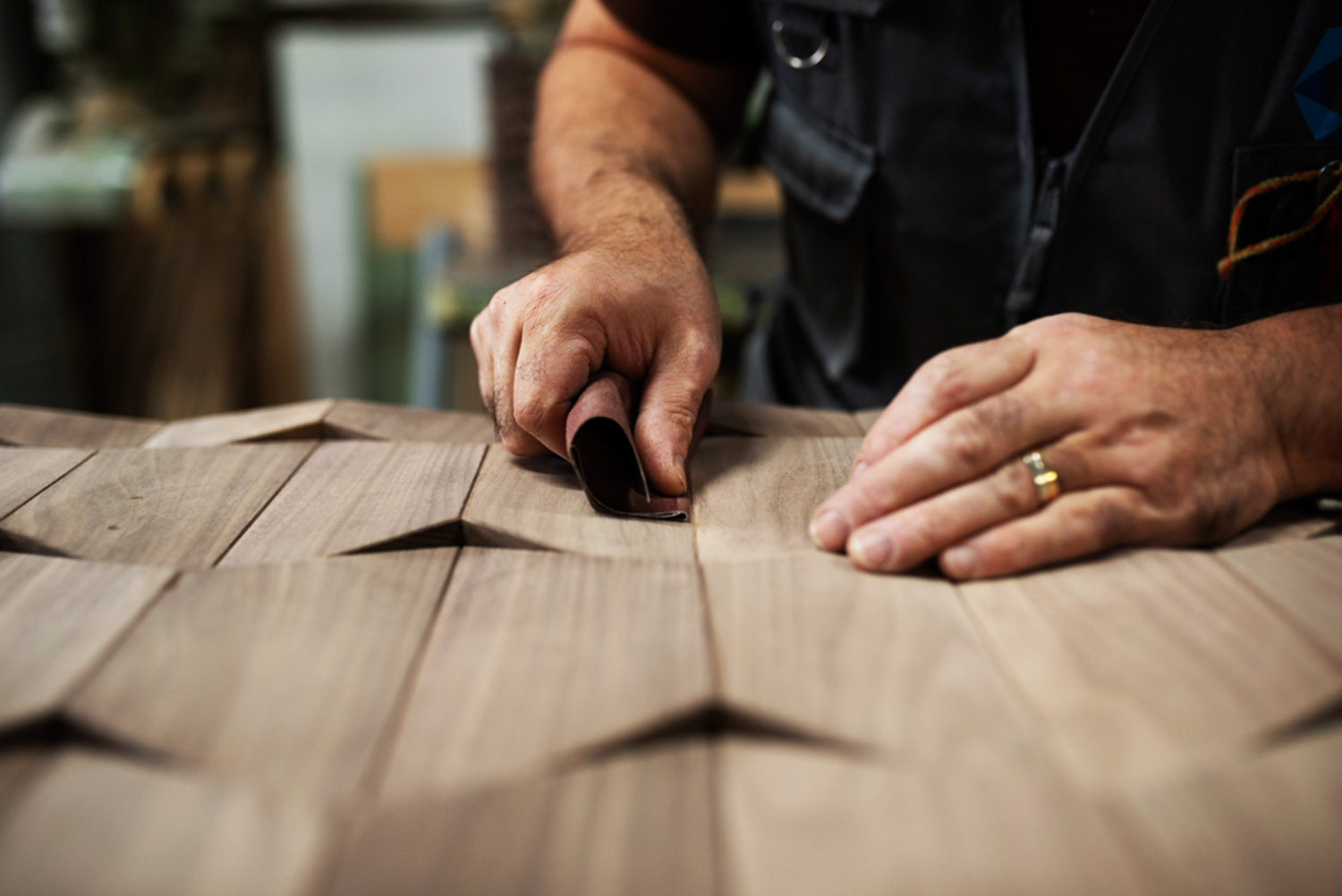
©Wewood