

10 Soulful Cities in Portugal: Sleep, Eat and Feel
By Manuel Fernandes
Portugal has cities that have become global brands. Lisbon, Porto, Faro… names that top every trend report, weekend escape guide and “best places to visit” list. But success comes at a cost: overtourism, gentrification, and the slow displacement of local life. Whole neighbourhoods have become mere sets photogenic, but empty of local people.
That’s why we set out to explore other Portuguese cities, less talked about, less gentrified, but full of character, where you can still feel the authentic rhythm of local life.
Braga
We turned our gaze to Portugal's less obvious cities.
In search of cities with soul and real life.
Entire districts in Portugal’s major cities (Lisbon, Porto or Faro), have become little more than stage sets: picturesque, yet stripped of their original character. Buzzing with visitors, but devoid of local life. Places where traditional shops gave way to chains and souvenir stores, where neighbours no longer chat from balconies and the scent of home cooking has faded into memory.
That’s why we went in search of other places. Cities where the real country still pulses. Where cafés still have marble tables and paper napkins. Where municipal markets still set the tone of the morning. Where you can sleep well, eat better, and feel the life of the place, not just its image.
In this series, we suggest 10 Portuguese cities to experience 48 hours of authenticity, pleasure and time. Cities that combine great food, personality filled stays, and above all, real local life.
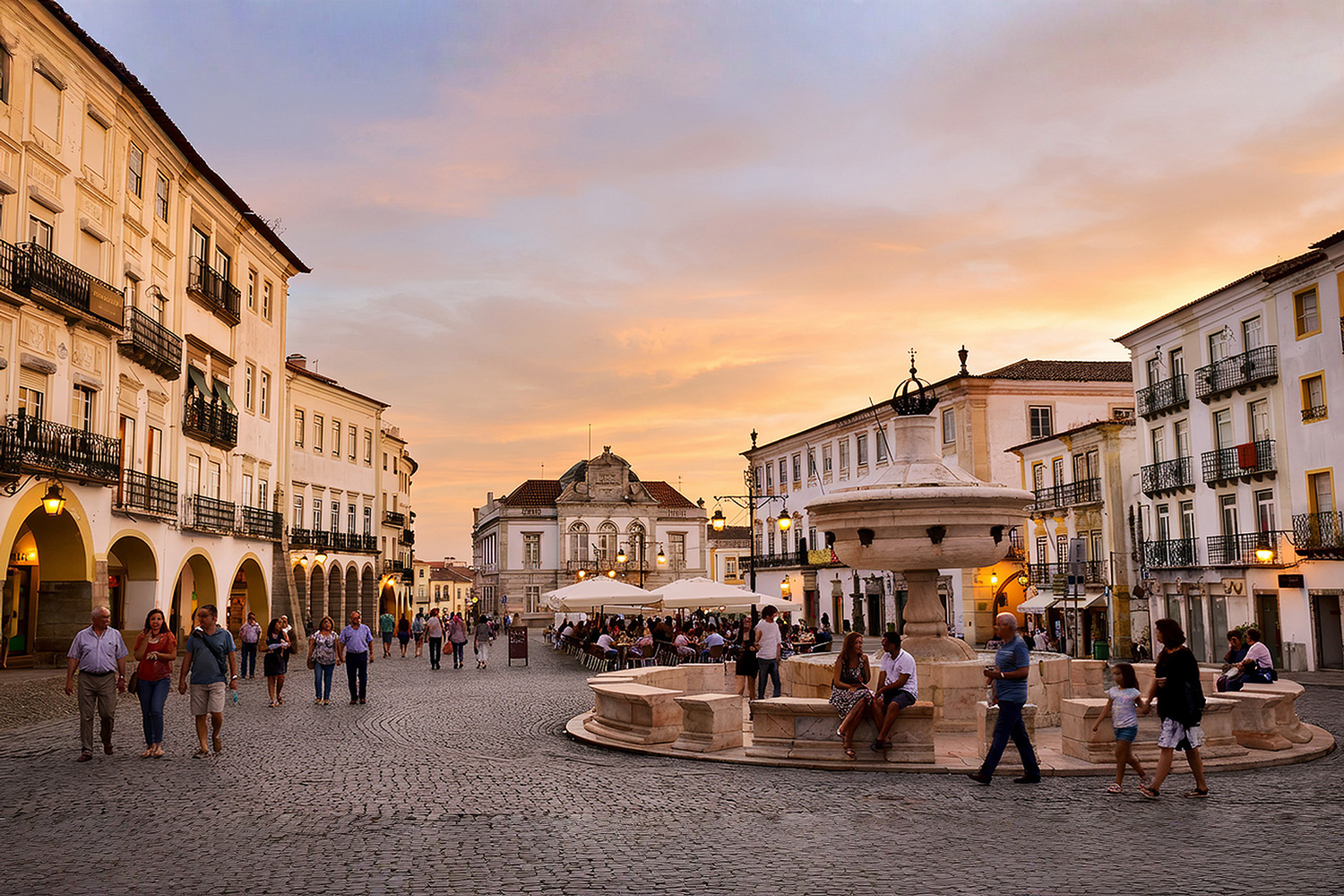
ÉVORA
The capital of the Alentejo is a living museum city. Between Roman ruins, shaded patios and whitewashed streets, Évora remains home to a vibrant community. Though it is one of the most visited destinations in the region, it is still lived in by students, university professors, shopkeepers and longtime residents. Évora breathes history but also reinvention, with new cafes, design shops and creative ateliers. The city invites you to walk slowly, step into hidden bookstores, taste local wines and linger under the shade of an olive tree.
The presence of the university keeps the city young and lively year round, while its artisan traditions, particularly ceramics and tapestry, reinforce its local identity. Wandering through the historic centre also means discovering family run workshops and regional flavours served without haste.
WHERE TO EAT: Botequim da Mouraria, Fialho, Taberna Típica Quarta-Feira
WHERE TO STAY: The Noble House, ADC – Albergaria do Calvário, Évora Olive Hotel
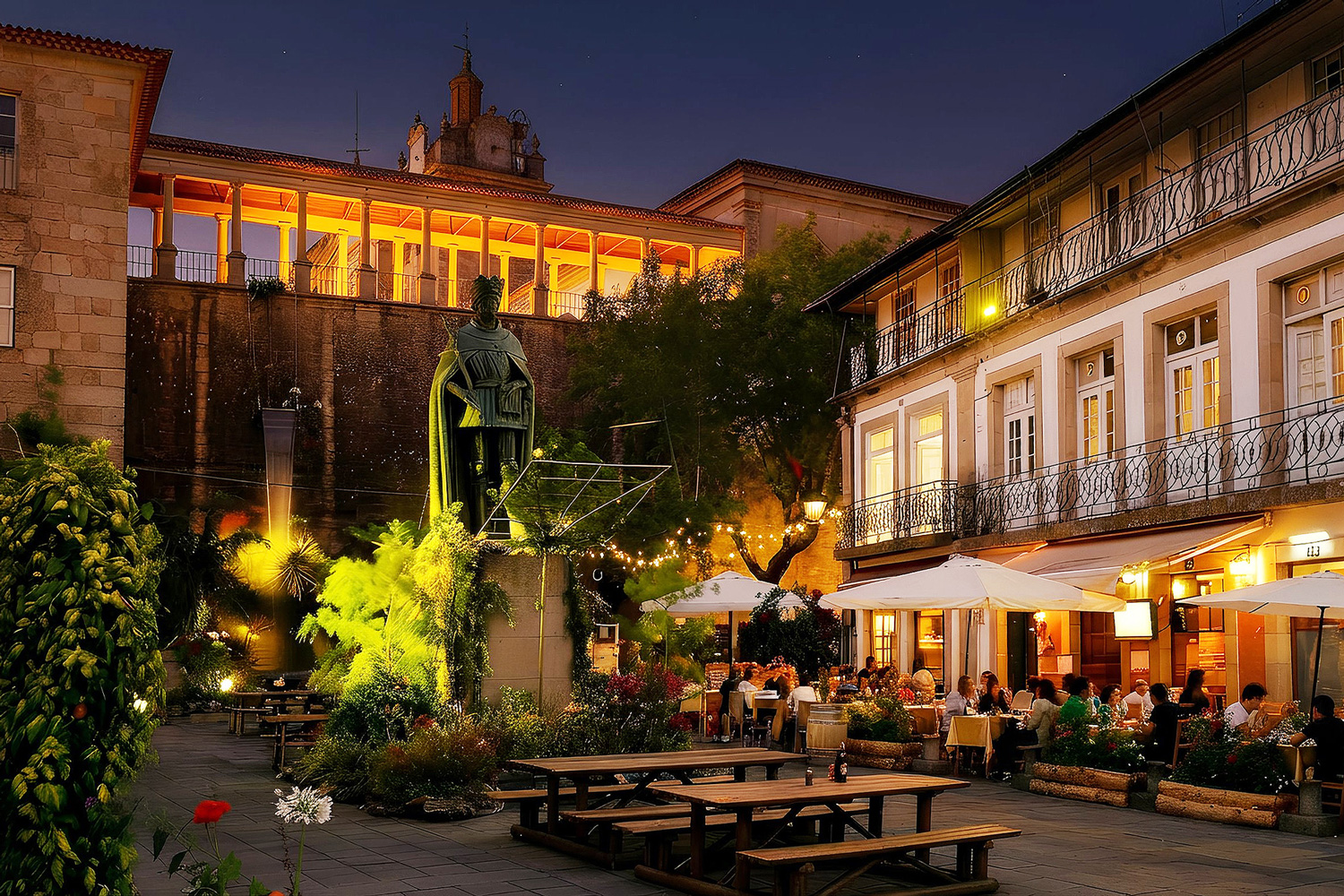
VISEU
With a famously high quality of life, Viseu has often been named one of the best cities to live in Portugal. It’s welcoming and calm, with a granite built historical centre and a cultural calendar that surprises. There are exciting new restaurants, a growing appreciation for contemporary art, and a fine balance between tradition and innovation. The surrounding nature and rich regional cuisine round out the experience.
Weekly markets, local festivities like the São Mateus Fair and leafy public gardens make Viseu a place where everyday life is a kind of heritage. The rhythm is slow, but the city is far from sleepy.
WHERE TO EAT: Mesa d’Alegria, O Cortiço, Taberna do Dão
WHERE TO STAY: Pousada de Viseu, Hotel José Alberto, Bemyguest – Loft Guest House Jardim das Mães
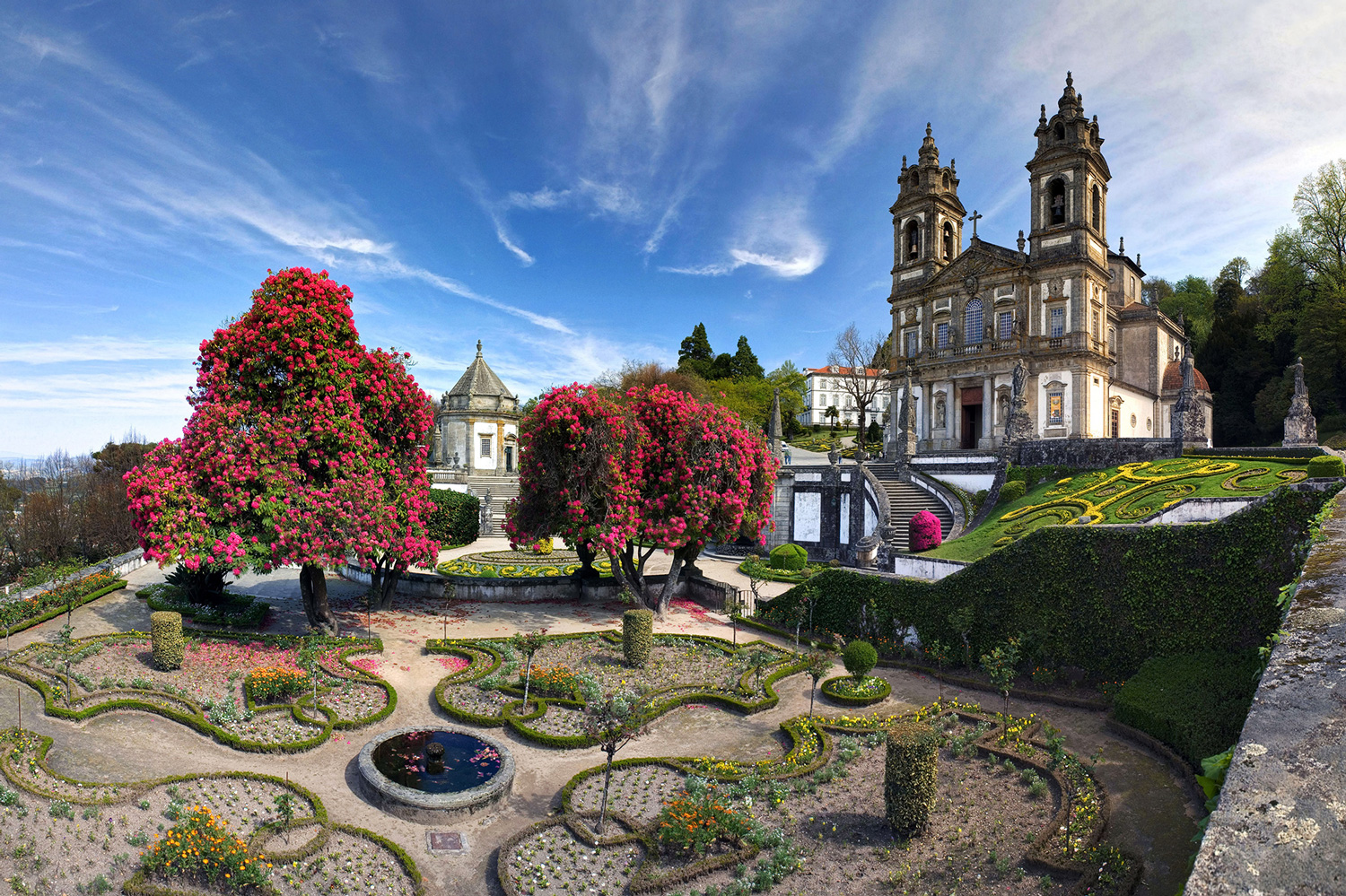
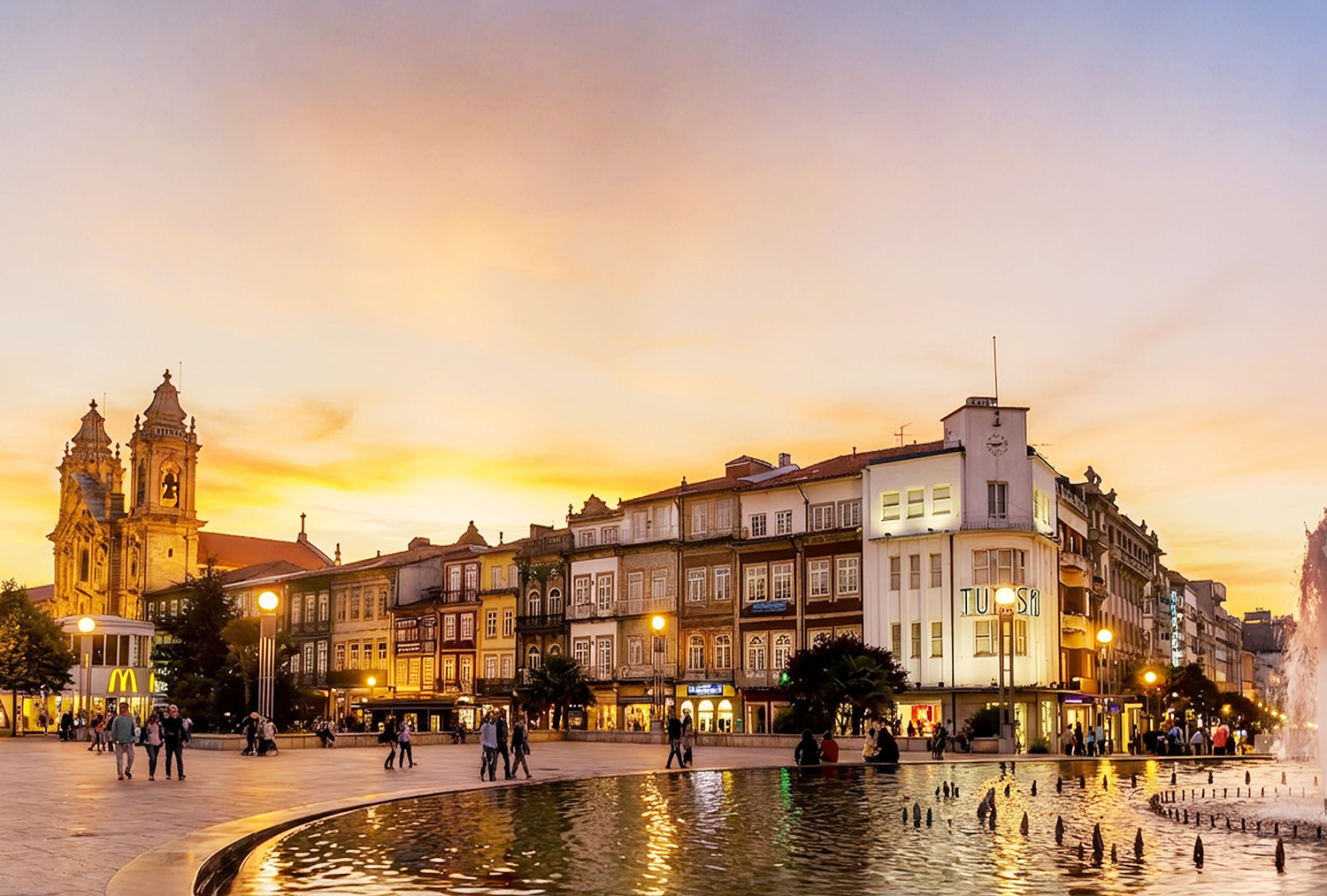
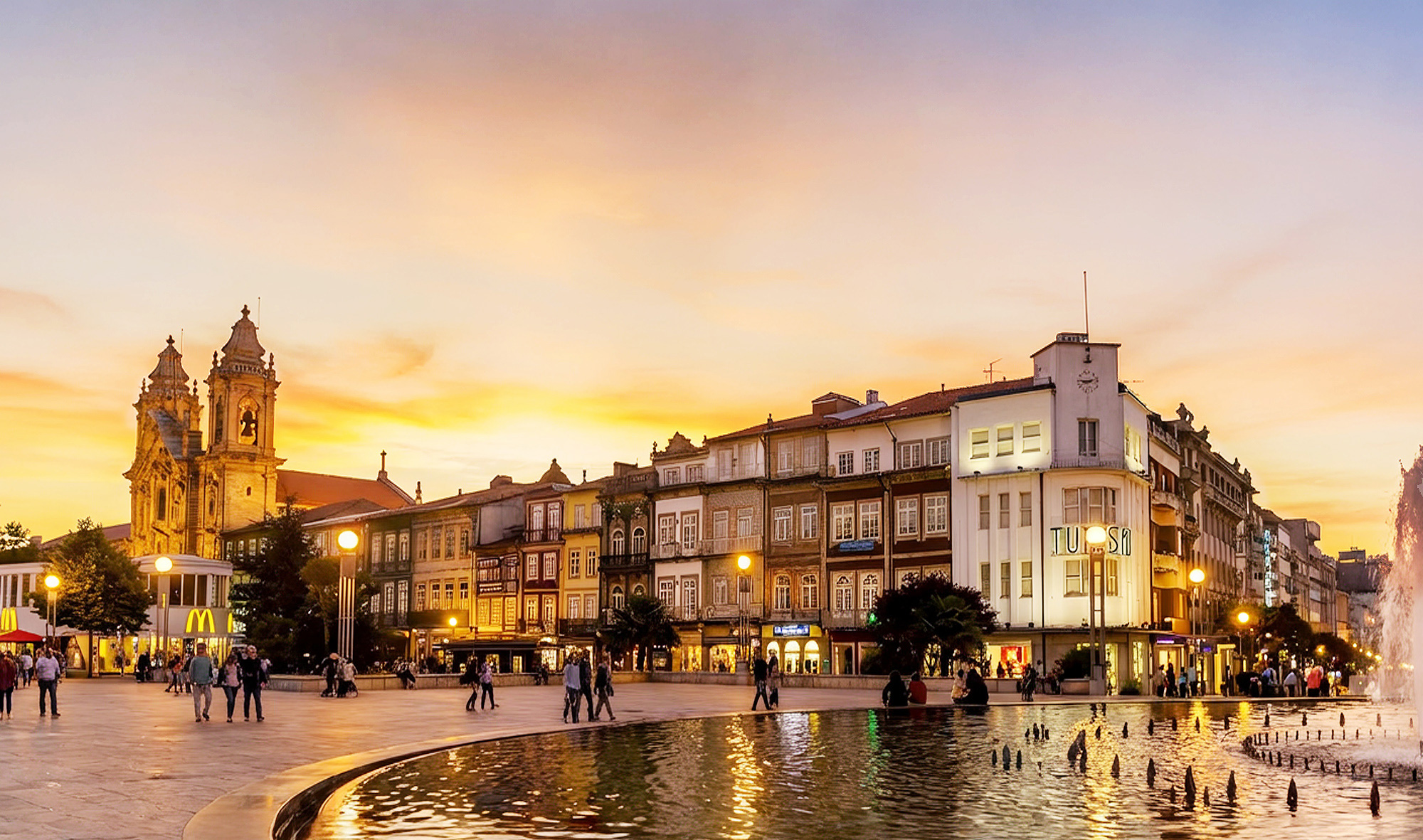
BRAGA
Braga is a city expanding, but not losing itself. It is one of Portugal’s oldest cities, but also one of its youngest: a cradle of tradition and a hub of innovation. The city is alive with ideas, creative spaces, independent cafes and a dynamic student population. Step beyond the centre and you’ll find quiet parks and neighbourhoods that pulse with authentic life.
Events like Semana Santa and São João reflect the city’s deep rooted traditions, even as it embraces startups and coworking culture. Braga is devout but inventive, and that blend is its secret strength.
WHERE TO EAT: Arcoense, Cozinha da Sé, Tia Isabel
WHERE TO STAY: Burgus Tribute & Design Hotel, Vila Galé Collection Braga, Sé Guesthouse
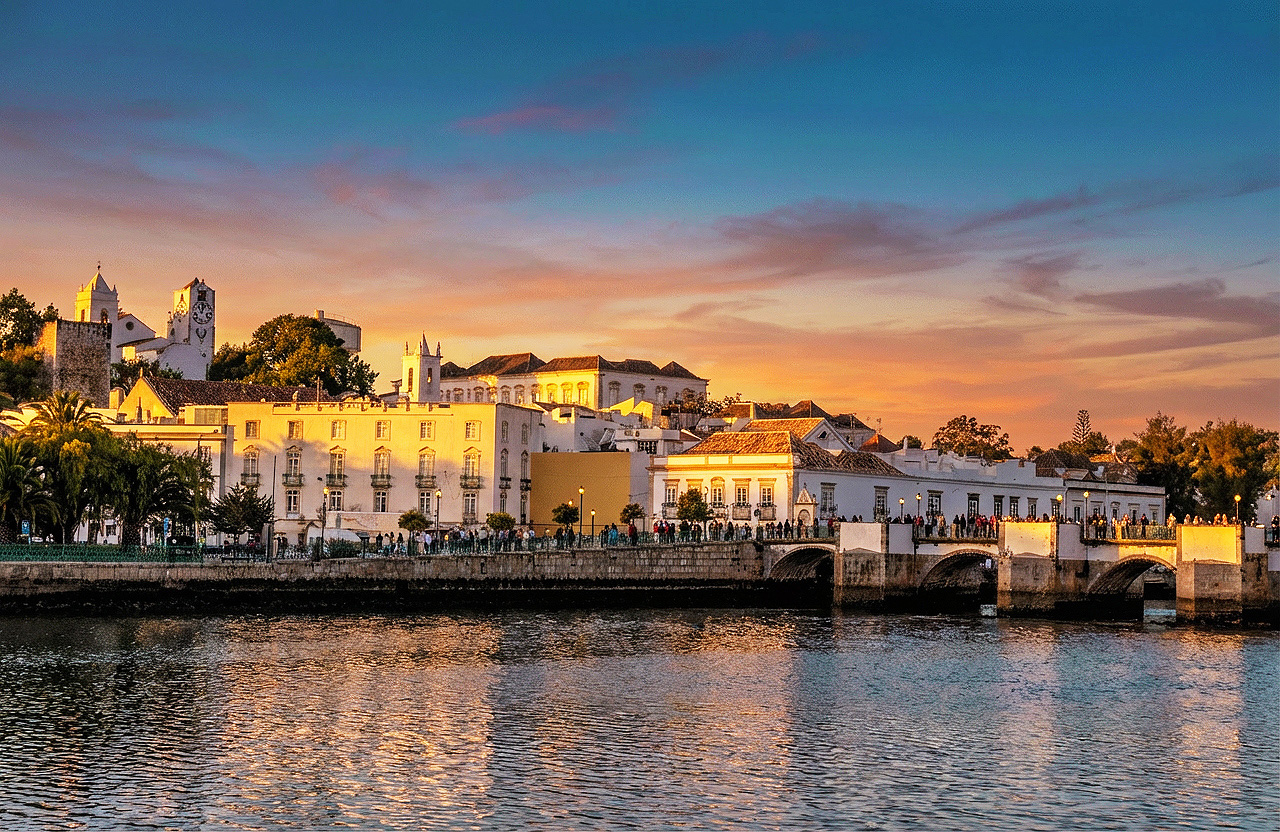
TAVIRA
Possibly the most charming city in the Algarve, Tavira is a rarity. Its architecture remains true to its Arab past and the city has grown thoughtfully, preserving a human scale. Life still flows with the tides and the ringing of church bells. The estuary, market and cafes are enjoyed by locals and visitors alike, side by side, naturally.
Despite increasing popularity, Tavira has managed to safeguard its historic centre and the natural surroundings of the Ria Formosa. Investment has been measured and deliberate, preserving its genuine character amid the Algarve’s rapid urbanisation.
WHERE TO EAT: D’Gusta, Ti Maria, Come na Gaveta
WHERE TO STAY: Colégio Charm House, Pensão Agrícola, Tavira House
FUNCHAL
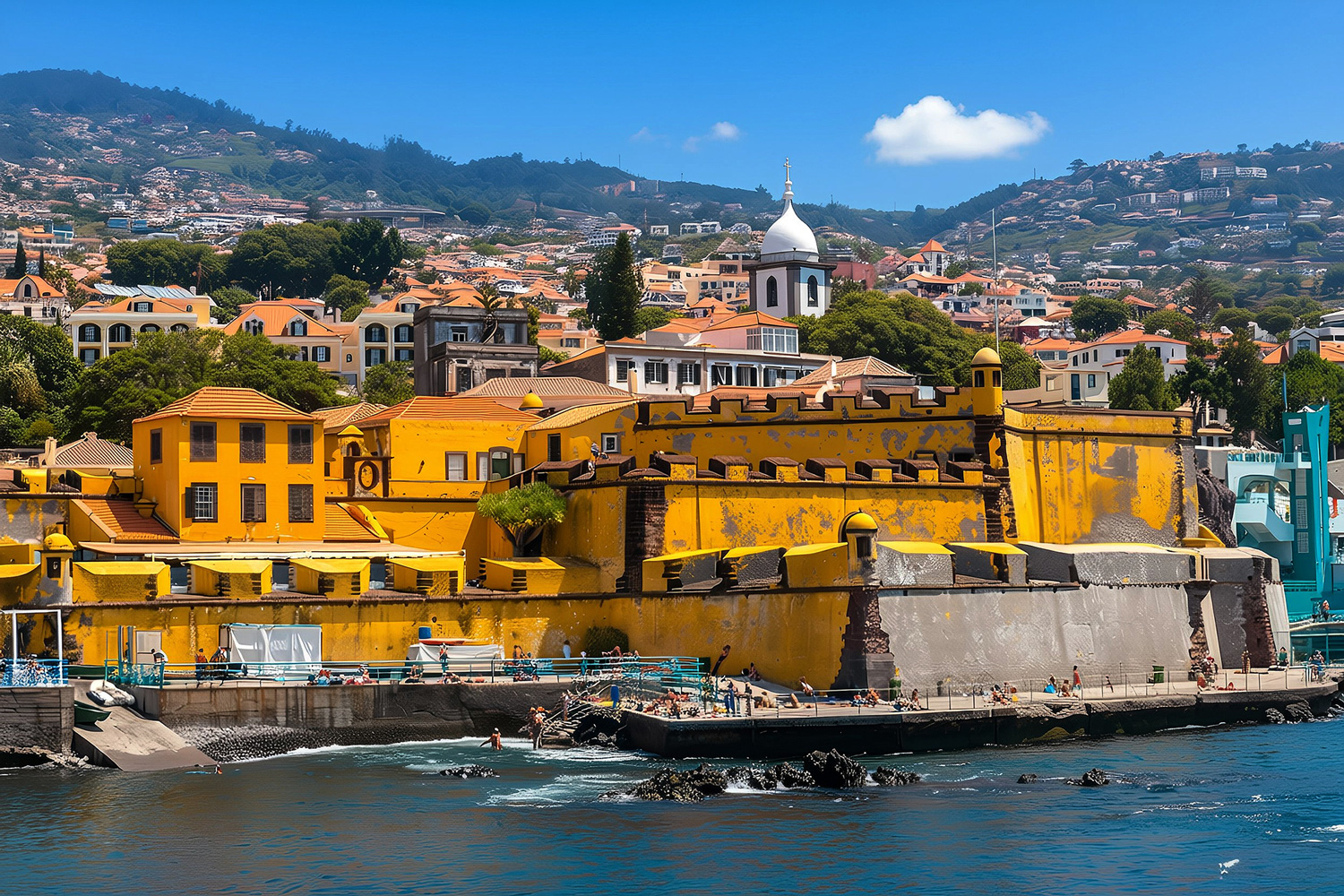
Far beyond the cruise ships and luxury hotels, Funchal preserves an authentic island way of life. The city is Madeira’s beating heart, where modernity and daily life converge in narrow streets, vibrant markets and flower filled squares. Madeirans live, work, study and celebrate here, and you can feel it in the way the city welcomes. Tourism is plentiful, but it hasn’t taken over. That balance is rare, and precious.
Though tourism has grown, Funchal retains its identity. Outside the tourist heavy Lido area, the historic centre and surrounding neighbourhoods remain full of life, with local shops, grocers and cafes serving the people who call it home. Being an island, residents don’t have much choice but to stay close to the centre, and that makes all the difference.
WHERE TO EAT: Armazém do Sal, Casal da Penha, Abrigo do Pastor
WHERE TO STAY: Castanheiro Boutique Hotel, Quinta da Casa Branca, Casa Velha do Palheiro
ANGRA DO HEROÍSMO
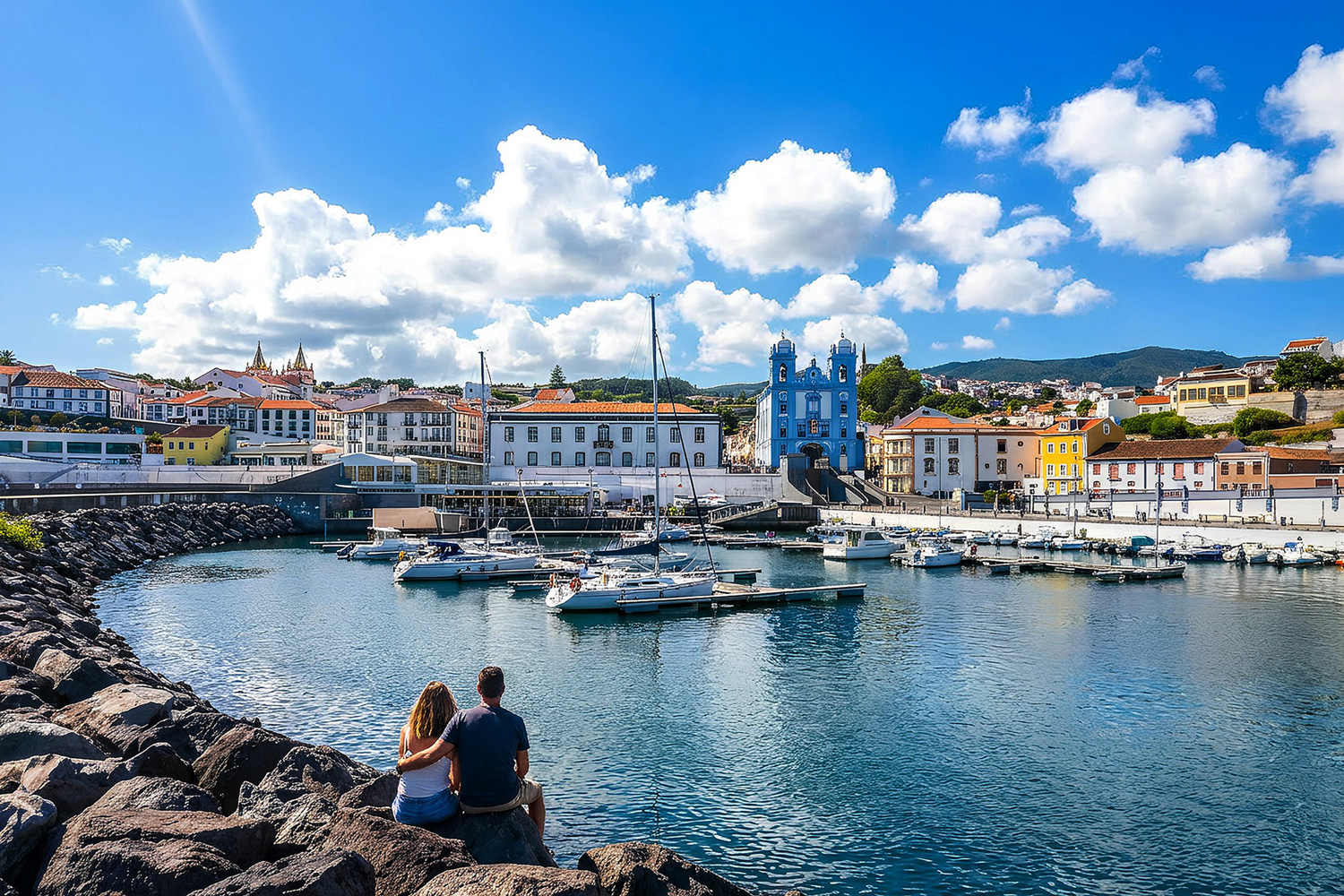
Tucked away in the Azores, Angra has a rare kind of soul. Once one of the Atlantic’s most important ports, its UNESCO listed layout tells centuries of stories. But what truly sets it apart is everyday life: evening coffees, religious parades, friendly greetings on the street. There’s history in every alley, but above all, there’s humanity.
Culture lives in the Espírito Santo festivals, the rope bullfights and concerts at the Teatro Angrense. Community ties keep the city vibrant. Far from mainland Portugal, Angra lives from the inside out.
WHERE TO EAT: A Barrica, Tasca das Tias, Taberna Roberto
WHERE TO STAY: Pousada Forte São Sebastião, My Angra Charming House, Hotel Zenite
SETÚBAL
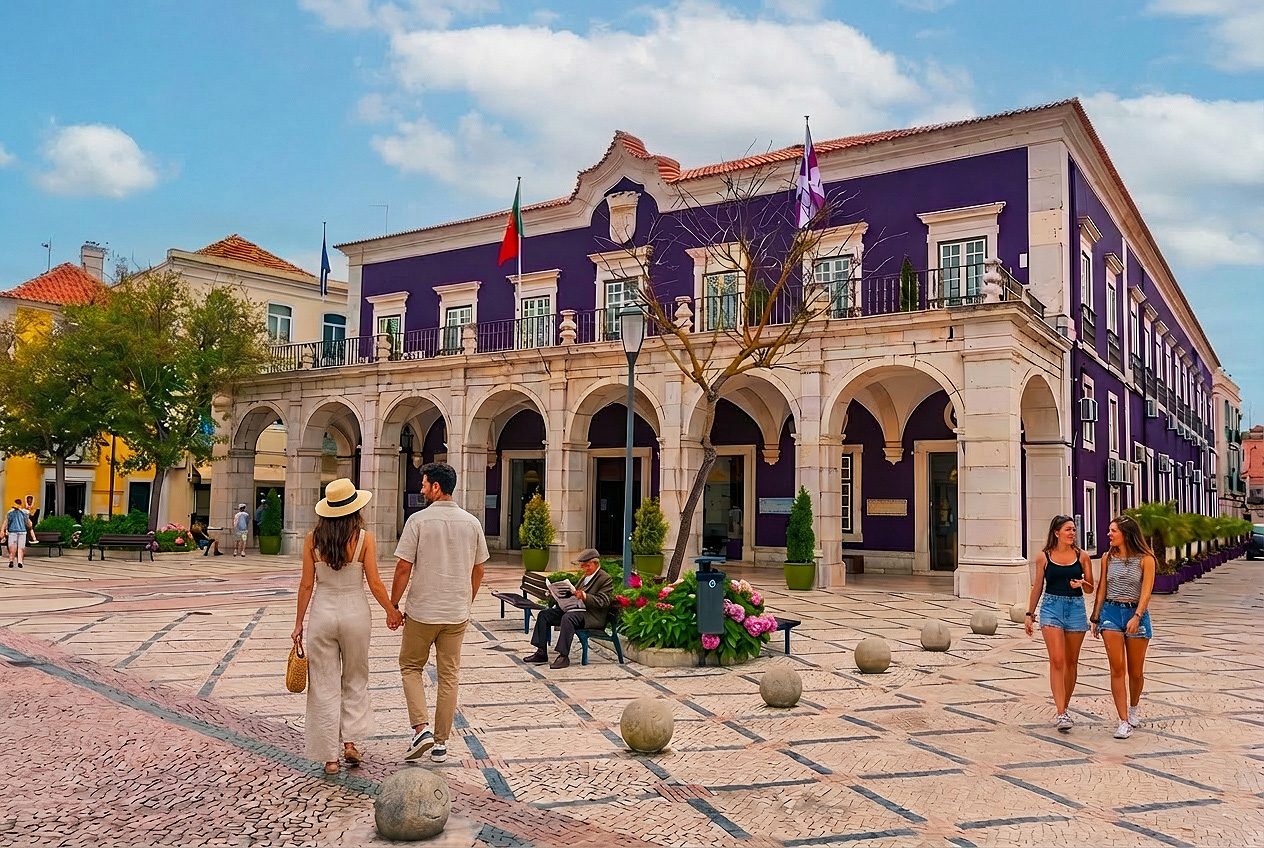
Setúbal surprises. This once industrial city has reinvented itself with creative and culinary energy. The historic centre is lively, streets are prettier, and the market is buzzing again. Then there’s the Sado river, Arrábida’s beaches, ferries to Tróia, all nearby. Setúbal is authentic, maritime and full of flavour.
It’s a city deeply tied to the sea, from the fish auction to the rhythm of local fishermen. Central cafes hum with Setúbalense voices and long lunches spill into the afternoon. Urban art and indie galleries reveal a city in cultural bloom.
WHERE TO EAT: Casa Santiago, Xtoria, O Batareo
WHERE TO STAY: RM Guest House, Hotel Casa Palmela, Boca de Lobo Guesthouse
AVEIRO
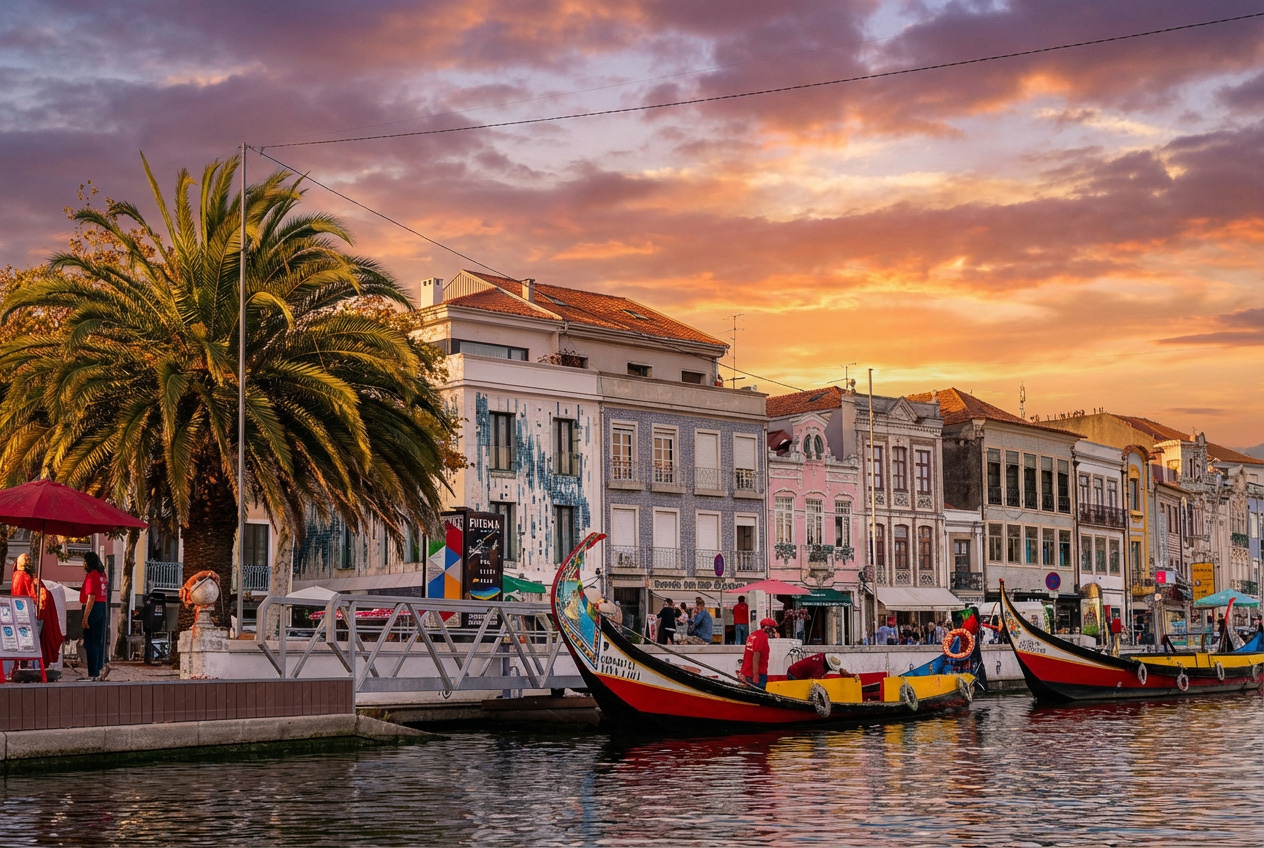
Often called the “Portuguese Venice”, Aveiro is a city of quiet canals and colourful moliceiro boats, where water sets the rhythm of life. Its historic centre blends Art Nouveau elegance with lagoon heritage, sunlit squares and cafes where time lingers. There are salt pans, ovos moles sweets, bikes and facades that surprise.
Aveiro is also a university town, where student irreverence meets deep maritime traditions. Daily life hasn’t been erased by tourism, it lives on in grocers, salt flats and markets. Small, yes. But ambitious, light and full of character.
WHERE TO EAT: Salpoente, O Bairro, Maré Cheia
WHERE TO STAY: Melia Ria, 1877 Estúdios, Histórias Por Metro Quadrado
COIMBRA
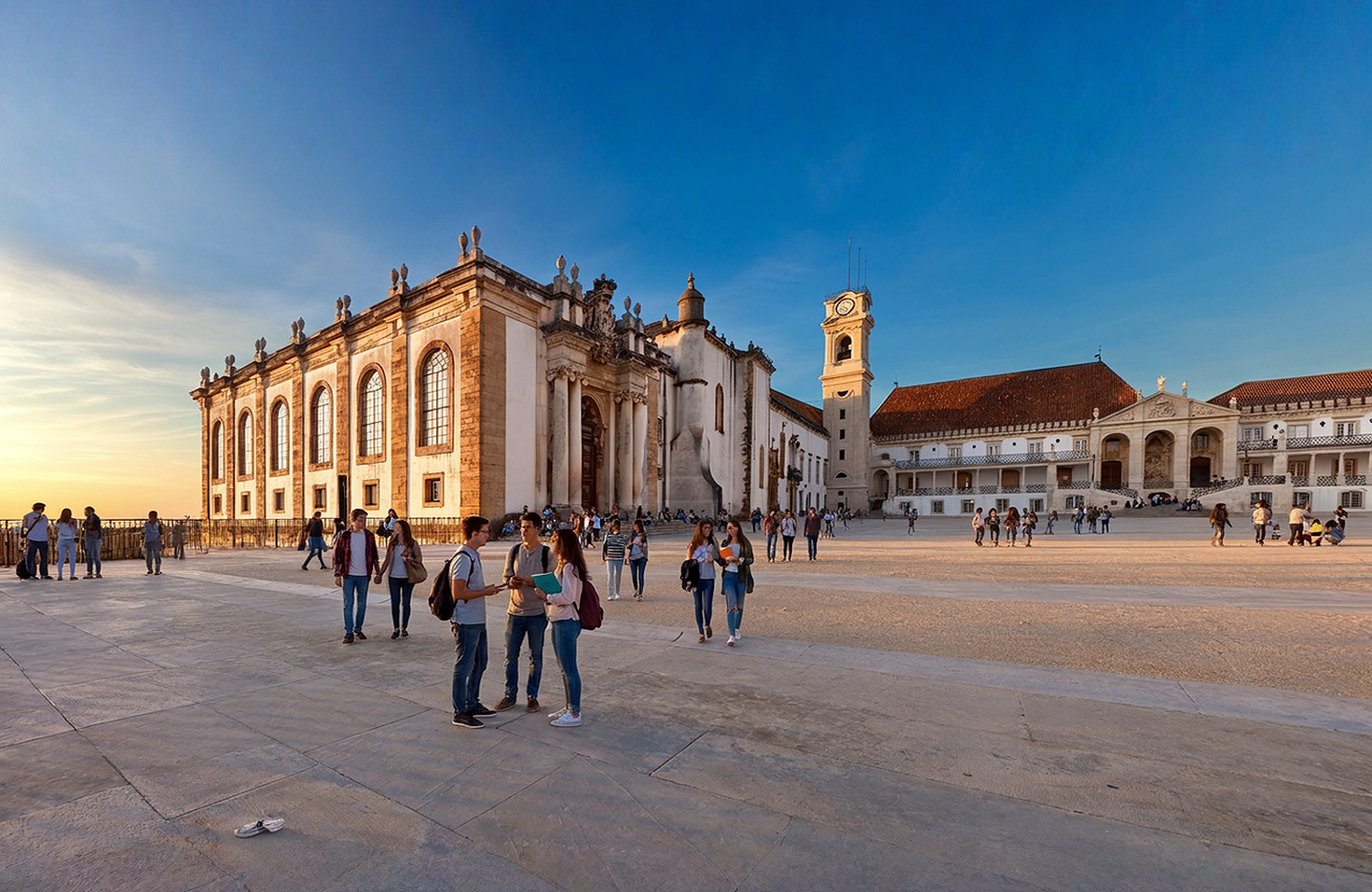
Coimbra is made of stone and spirit. It has poetry, science and memory. A place where time drifts between fado and literary cafes, secret courtyards and students in black capes. But it also reinvents itself with creative hubs, relaxed bars and a growing bond with the Mondego river.
Student life shapes the city’s tempo, culture and soul. Academic tradition blends with bohemian nights on Quebra-Costas and backyard dinners with friends. Coimbra is both nostalgia and discovery, a city that knows how to feel.
WHERE TO EAT: A Cozinha da Maria, Refeitro da Baixa, Zé Manel dos Ossos
WHERE TO STAY: Sapientia Boutique Hotel, Hotel Quinta das Lágrimas, Solar Antigo Luxury Coimbra
GUIMARÃES
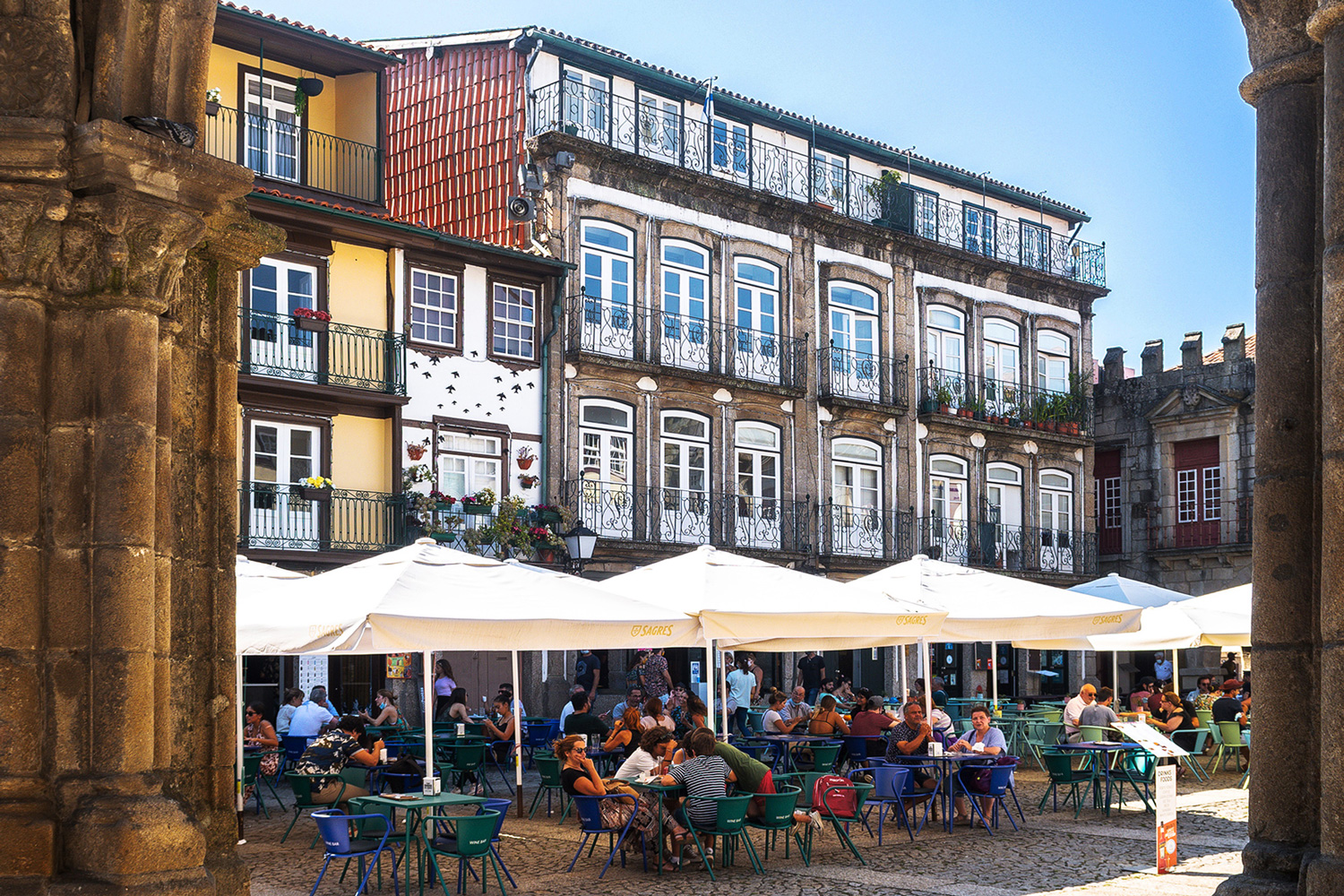
Portugal was born here, and you can feel it. But Guimarães is much more than its founding legend. It’s a cosmopolitan and creative city, home to an active community, alternative venues, contemporary art and pride in every detail. The historic centre is stunning, but what impresses most is how the city turned its past into a platform for the future.
Beyond the medieval core are reimagined neighbourhoods with artisan shops and ateliers, and the Vila Flor Cultural Centre as the beating heart of local life. Guimarães is a place to pause, listen and belong, even if only for a weekend.
WHERE TO EAT: A Cozinha por António Loureiro, Cor de Tangerina, Ar Belo
WHERE TO STAY: Pousada Mosteiro de Guimarães, Casa do Juncal, Hotel da Oliveira
These are places where we can be visitors without losing sight of what makes us travellers.
Where time is worth losing
These cities are changing, yes. But they still have time and soul. These are places where we can be visitors without losing sight of what makes us travellers. Where tourism hasn’t (yet) consumed daily life. Where 48 hours are enough to rest, recharge and rediscover that Portugal is made of more than trends.
Travel slowly, with taste and respect. That’s the spirit of this series.
Next stop? Your new favourite city might just be two trains away.