



The 5 main complaints of Portuguese diners about restaurants
By Miguel Sur
Gastronomy is a fundamental part of a country’s identity. In Portugal, eating out has always been more than simply satisfying hunger: it’s culture, connection, memory and sharing. Today, with the rise in tourism and commercial pressure, many customers are raising their voices. The national restaurant sector is facing deep tensions and a number of recurring missteps.

More than fleeting grumbles, these complaints are a symptom of something deeper.
When the Portuguese no longer remain silent: the complaints shaking the national dining scene
The national restaurant market is changing. With the growing pressure of tourism, urban gentrification and the standardisation of offerings, many Portuguese are beginning to feel disconnected from the restaurant scene. Criticisms are accumulating: inflated prices, dishes losing character, impersonal service, ties to local flavours that seem to be fading.
In a country where neighbourhood taverns and childhood dishes shaped our collective palate, we’re witnessing today the rapid replacement of traditional cuisine with more marketable global formulas: burger joints, pizzerias, “instagrammable” menus.
In this context, we set out to investigate the causes of the growing dissatisfaction of national diners. We analysed reader comments, criticism published in newspapers and specialist magazines, and thousands of reviews on platforms such as Google, TripAdvisor and TheFork. The outcome is a faithful — and at times disconcerting — portrait of the five complaints that most bother Portuguese diners today.
More than fleeting grumbles, these complaints are a symptom of something deeper: a sector in transformation, in which not only the economic future of restaurants is at stake, but also the place of Portuguese gastronomy as a living heritage.
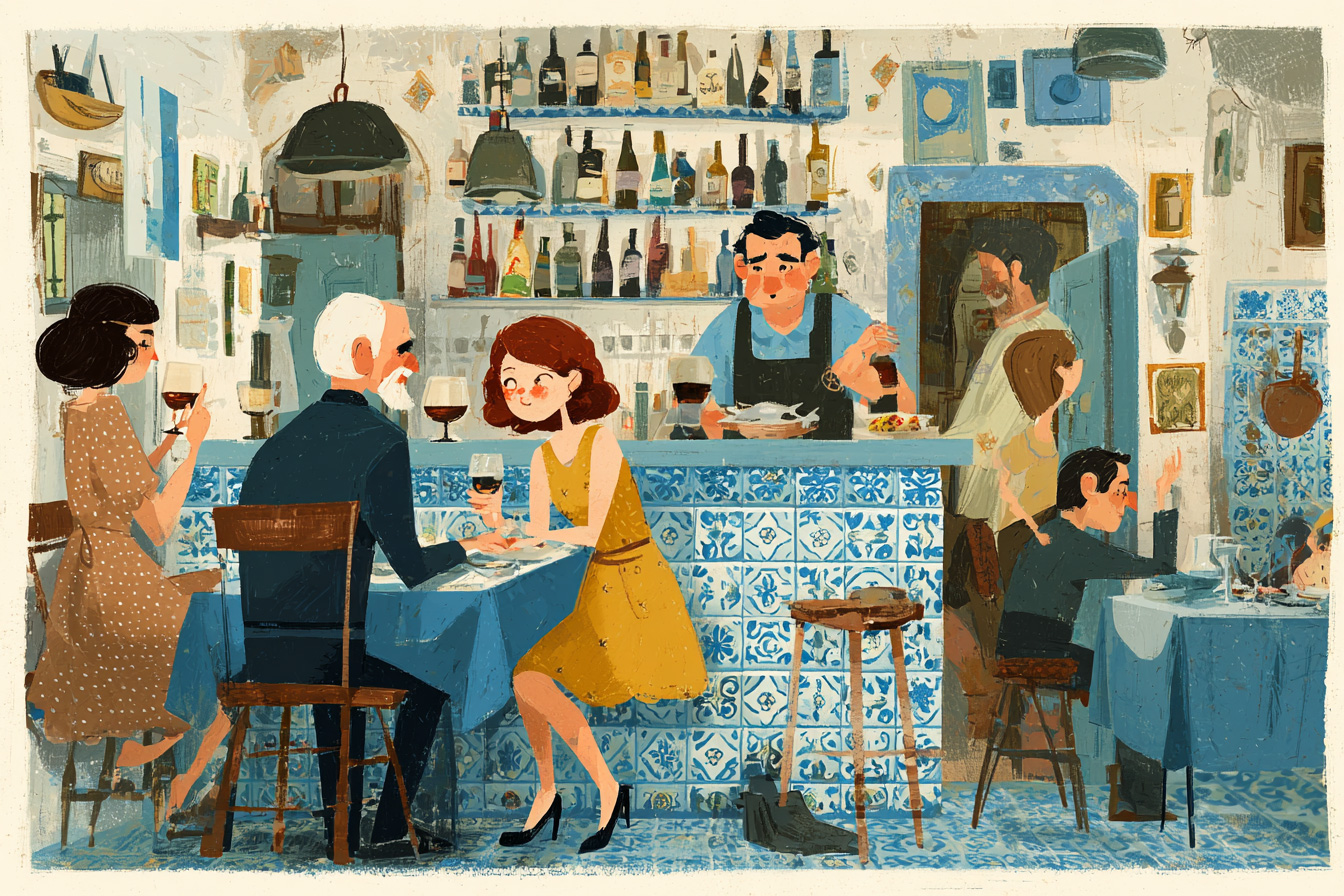
1. Replacement of Portuguese gastronomy by international cuisine
It is increasingly common in Lisbon, Porto or the Algarve to see traditional restaurants being replaced by pizzerias, burger bars, brunch venues, “bowls”, sushi or Asianfusion concepts. For investors, these formulas are easier to manage: less waste, simplified stocks and less specialised labour.
There is a painful contradiction: Portugal is globally known for its excellent gastronomy (cod, seafood, cheeses, cured meats, convent sweets, olive oil, wines). Yet, on the streets, that presence is retreating, giving way to more marketable formulas. The risk is losing our gustatory memory, local knowhow and regional diversity. If only “trendy” kitchens survive, we lose a major part of our cultural heritage.
Several renowned chefs (such as José Avillez, Vítor Sobral or Nuno Mendes, in interviews with Público and Time Out) have sounded the alarm about the loss of connection to regional roots. The chef Vítor Sobral has been among those pointing out — without mincing words — the structural error taking place. He says: “The old defence of local products only makes sense if there are complex initiatives to recover flavours. If a child has not eaten arroz de cabidela at home, or bacalhau à Gomes de Sá, restaurants cannot serve that dish because they will have no customers.”
According to Sobral, it is absurd that the State invests millions in initiatives linked to the Michelin Guide while overlooking the urgency of protecting regional cuisines — the very ones that carry the gastronomic identity of the country.
In the past, our mothers and grandmothers cooked Portuguese food at home; today far fewer do so — and if our children stop eating genuine and diverse Portuguese dishes at home, at school or in the local restaurant, how do we expect them ever to seek them out? How can we defend dishes that no longer form part of the lives of urban families?
Gentrification and tourist pressure are pushing small family taverns out of the market. The risk is losing gustatory memory and cultural diversity, sacrificing a heritage built over centuries.
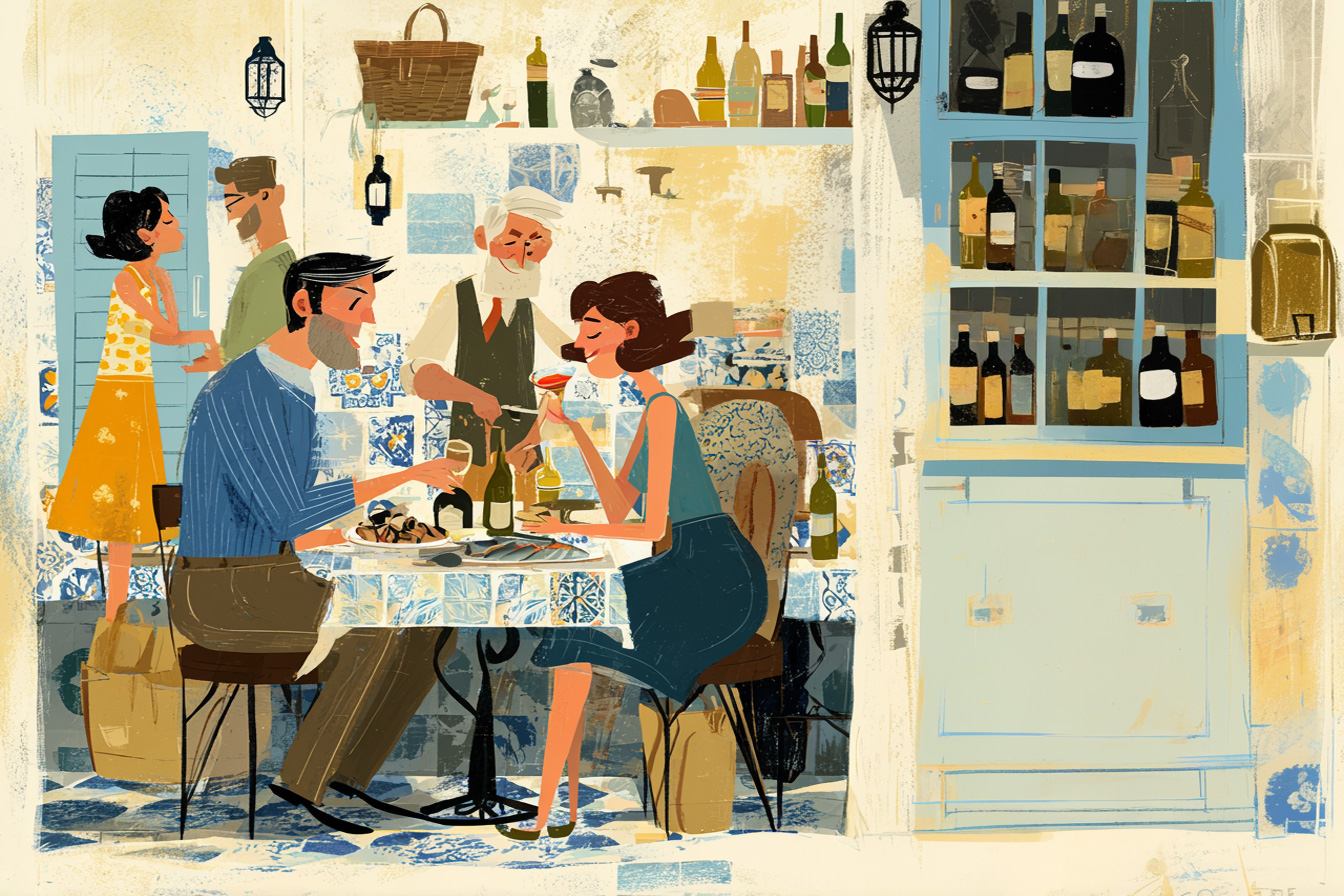
2. Misaligned pricing / invisible inflation (and abuses in wine lists)
One of the most expressed complaints on social media and review platforms is the excessive price increase: what was a “medium” meal before the pandemic has now soared, often without a proportional rise in quality. The real cost increases (energy, raw materials, transport, labour) explain some of the rise, but many customers feel some restaurants have used the postpandemic distraction to inflate prices without transparency.
Before the pandemic, average reference values were: €10 for a cheap restaurant, €20 for a midrange, €30 for a good one, €50 for a luxury venue. Today, these prices have almost doubled. A so-called “midrange” meal easily exceeds €3540. This rise does not match official inflation or average incomes. The result: many Portuguese complain they can no longer dine out as often and, when they do, select wine, starters and desserts with greater caution.
Wine is another sensitive area:
Fewer restaurants are offering accessible quality wines. High markups on bottles are routinely called out by diners. Many gastronomic reviews highlight that a bottle costing €68 in store can climb to €3040 in a restaurant. The 23 % VAT further exacerbates the cost. The complaint is that the difference is not just margin — it becomes a barrier. In some national guides (such as Revista de Vinhos), there are awards for the best wine list and service in restaurants, precisely to reward those who manage to balance quality and fair pricing. Wine, once part of our table culture, becomes a barrier rather than a pleasure. A sector that bets on fair margins and loyal customers guarantees sustainability; one that forces wide margins risks depending only on occasional tourists.
One of the most expressed complaints on social media and review platforms is the excessive price increase.
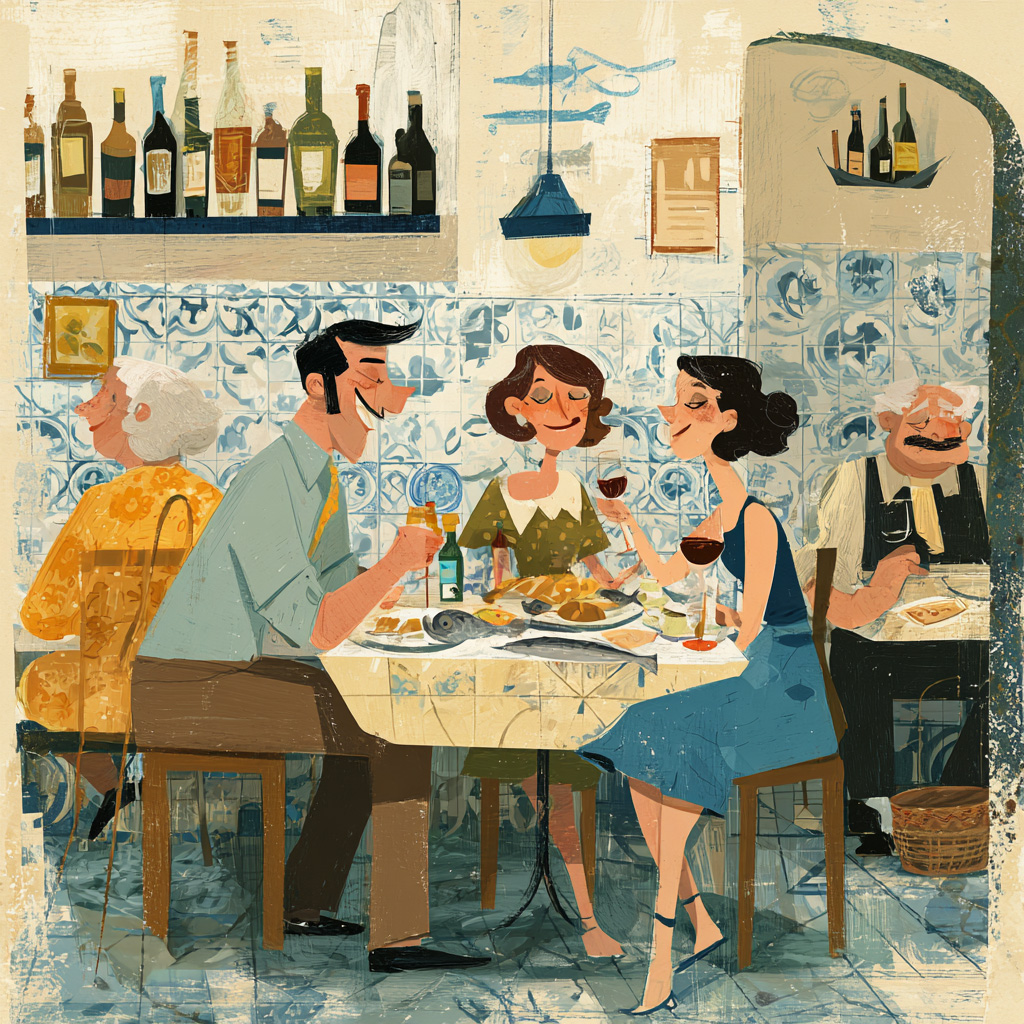
3. Service, hospitality, identity and transparency of menus
Service used to be one of the great strengths of traditional establishments: owners frequently serving in the dining room, experienced waiters, local knowledge and familiarity with regular customers. Today, there is a clear trend of rising staff turnover, lack of specific training, and a larger focus on the “instagrammable” visual of the restaurant — minimalist décor and a “cool” atmosphere — rather than on the soul of service, the personalised décor or the excellence of the cuisine.
Many criticisms note that service has become standardised, impersonal, almost formulaic. The restaurant “identity”, which conveyed the owner’s vision and the region’s heritage, is diluting into theme chains and venues that could be in any European city.
Another recurring issue is menu transparency. Many customers complain about “hidden” prices, dishes served with substituted ingredients without notice, menus that do not accurately describe what arrives at the table or even à la carte cover charges automatically added (often €5 per person). Consumer body DECO Proteste reminds that “no food item may be charged if not requested or consumed” and that customers always have the right to refuse unwanted starters.
Transparency should be a rule: clearly indicate ingredient origin, present visible and detailed prices, and maintain balanced margins compared with the gastronomic offer and service. Where this does not happen, a sense of exploitation takes hold — and trust, the foundation of any restaurantcustomer relationship, is lost.

4. Service charge / obligatory gratuity / hidden fees
Perhaps the most explosive topic. Some restaurants have begun applying fixed or percentage service charges — a practice imported, common in AngloSaxon countries, but alien to the Portuguese tradition.
Lawyers and consumer protection associations stress that imposing a service charge can be illegal if the customer lacks a clear option to refuse. In Portugal, tipping is a voluntary gesture, not an obligation.
On social media, countless reports show clients feeling coerced. Many say they declined the charge, yet left with a feeling of discomfort and resentment. Even when presented as optional, the practice generates distrust among Portuguese diners and conveys a sense of opportunism. For older venues, which have always lived on regular loyal customers, adopting this model risks losing precisely the public that has supported them for years.
What began as a wellintended environmental initiative has, for many, become greenwash and a source of exploitation.

5. “Filtered” water bottles, greenwash and hygiene risks?
Recently, some restaurants have begun serving “housebranded filtered water”, presented as sustainable and ecological — but billed at the price of mineral water bottles, often without giving customers a choice. On platforms like Reddit and Portuguese online forums, reports of dissatisfied customers are growing.
This issue may seem minor, yet it has sparked increasing indignation among some consumers. The criticisms include:
-
-
- Essentially it’s filtered tap water sold as if it were mineral.
- Cases of bottles showing signs of grime or being reused without proper sanitisation.
- The consumer finds themselves deceived by not having the option to choose between bottled mineral water or tap water.
-
What began as a wellintended environmental initiative has, for many, become greenwash and a source of exploitation. The practice, common in international chains, is spreading in Portugal — but faces strong resistance from national customers, accustomed to the reliability and quality of our mineral waters.

A plea: preserve what is ours
This article is not an attack on Portuguese restaurants — far from it. Portugal still boasts restaurants of excellence that survive with authenticity, quality and transparency. These are the true guardians of our gastronomy, those who keep alive a heritage that is also cultural.
The risk lies in letting opportunistic practices of some businesses dominate the sector, pushing consumers toward less demanding options, fast food, or simply to dine out less.
If we want to preserve our gastronomy as an act of culture and education, we must be demanding:
-
-
- Demand transparency and quality in menus and service.
- Value the venues that maintain authenticity.
- Support policies that promote Portuguese cuisine rather than reward opportunism.
-
For us Latins, dining out is not a luxury: it is culture, it is tradition, it is a way of life. If we allow it to deteriorate, we will lose sensory and emotional references, and will no longer pass to future generations an essential part of our identity.
Public authorities and relevant organisations also bear responsibility: promoting and supporting traditional restaurants, supporting local producers, encouraging training in Portuguese cuisine, and regulating abusive or misleading practices.
Our gastronomy deserves more — and we, as consumers, have the right and the duty to demand that eating out remains pleasure and identity, not a mere commercial transaction masked in fine wrapping.