

Azulejos: The living skin of Portugal
By Miguel Sur
How an ancient art continues to define and reinvent the country’s visual identity.
Of all the forms of expression that shape Portugal, from fado to wine, from light to silence, few assert themselves with the same physical presence as azulejos. They appear on walls and façades, along everyday routes, quietly accompanying the country without demanding attention, yet rarely going unnoticed.
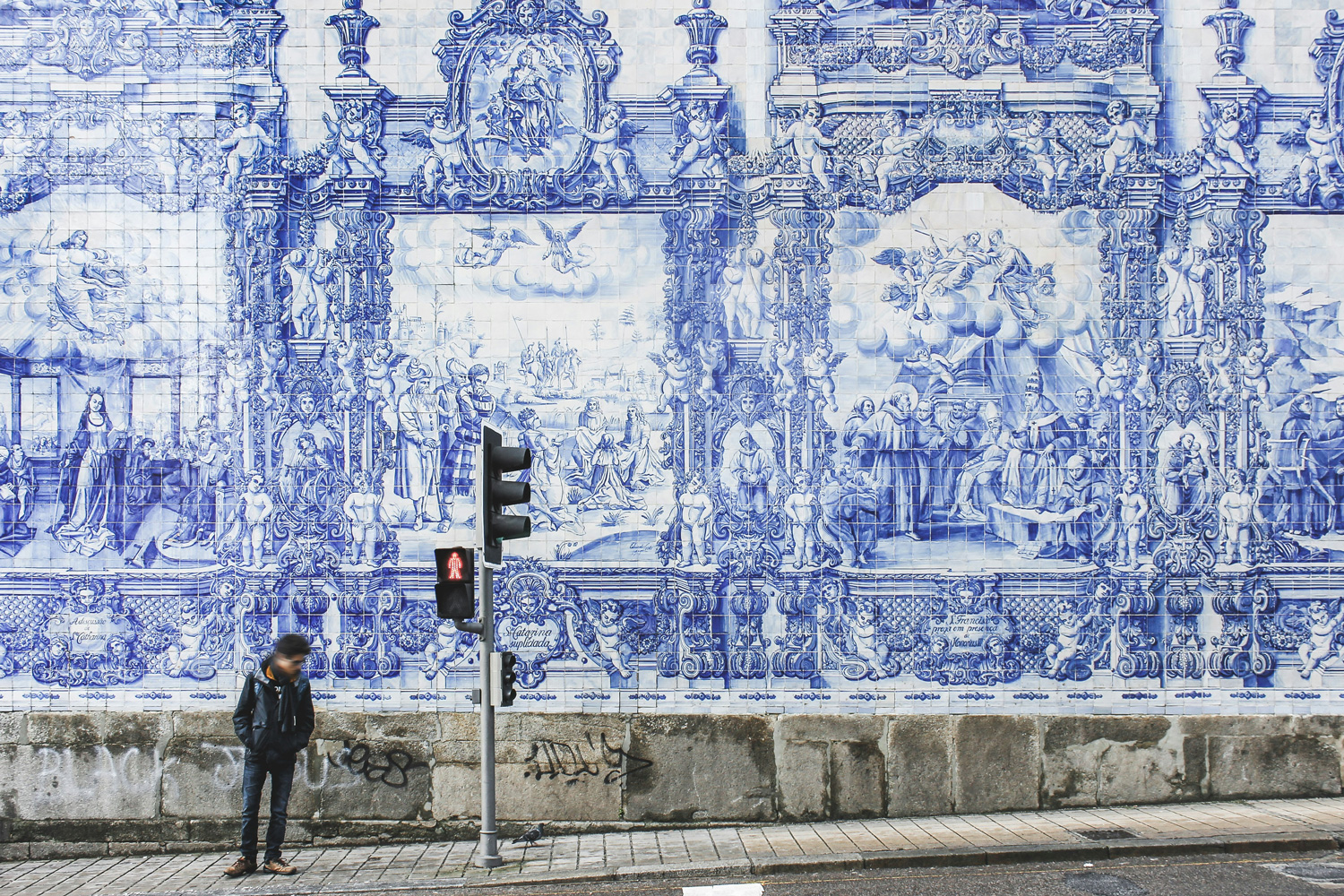
Chapel of the Souls of Santa Catarina, Porto ©Dominik Kuhn
The azulejo as a surface where the country writes itself.
Portuguese azulejos function as a visible archive. A continuous ceramic record spanning centuries and contexts, covering Baroque churches and railway stations, fishermen’s houses and luxury hotels, urban walls and contemporary exhibition spaces. More than a decorative technique, azulejos have become a surface on which the country writes itself.
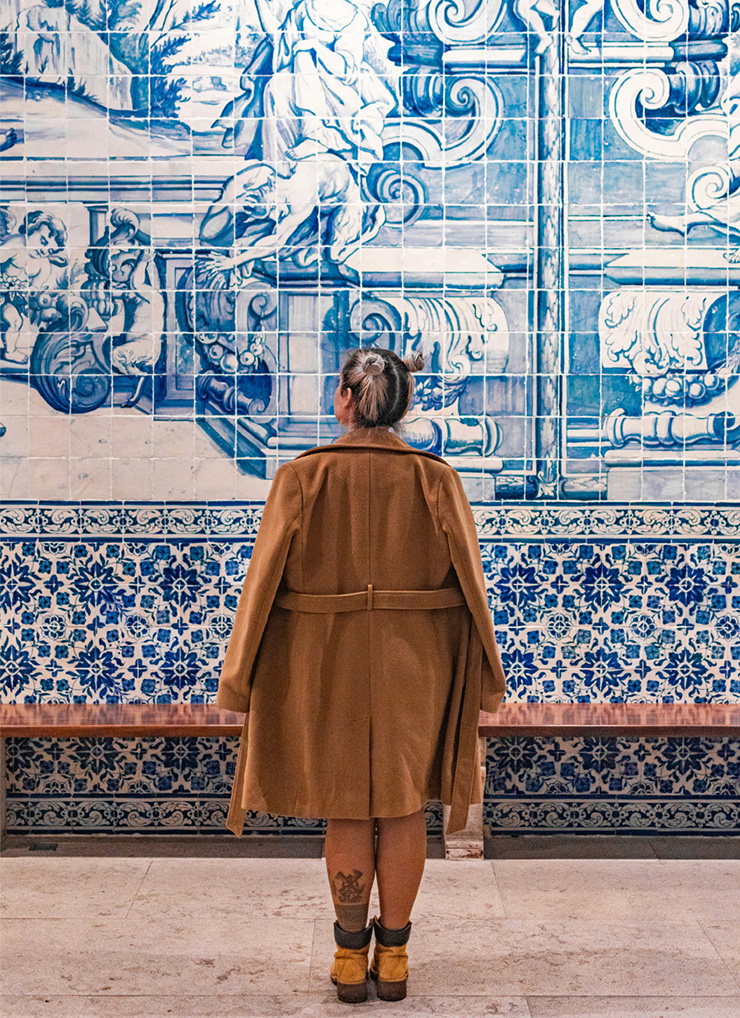
National Tile Museum ©Beth Chobanova
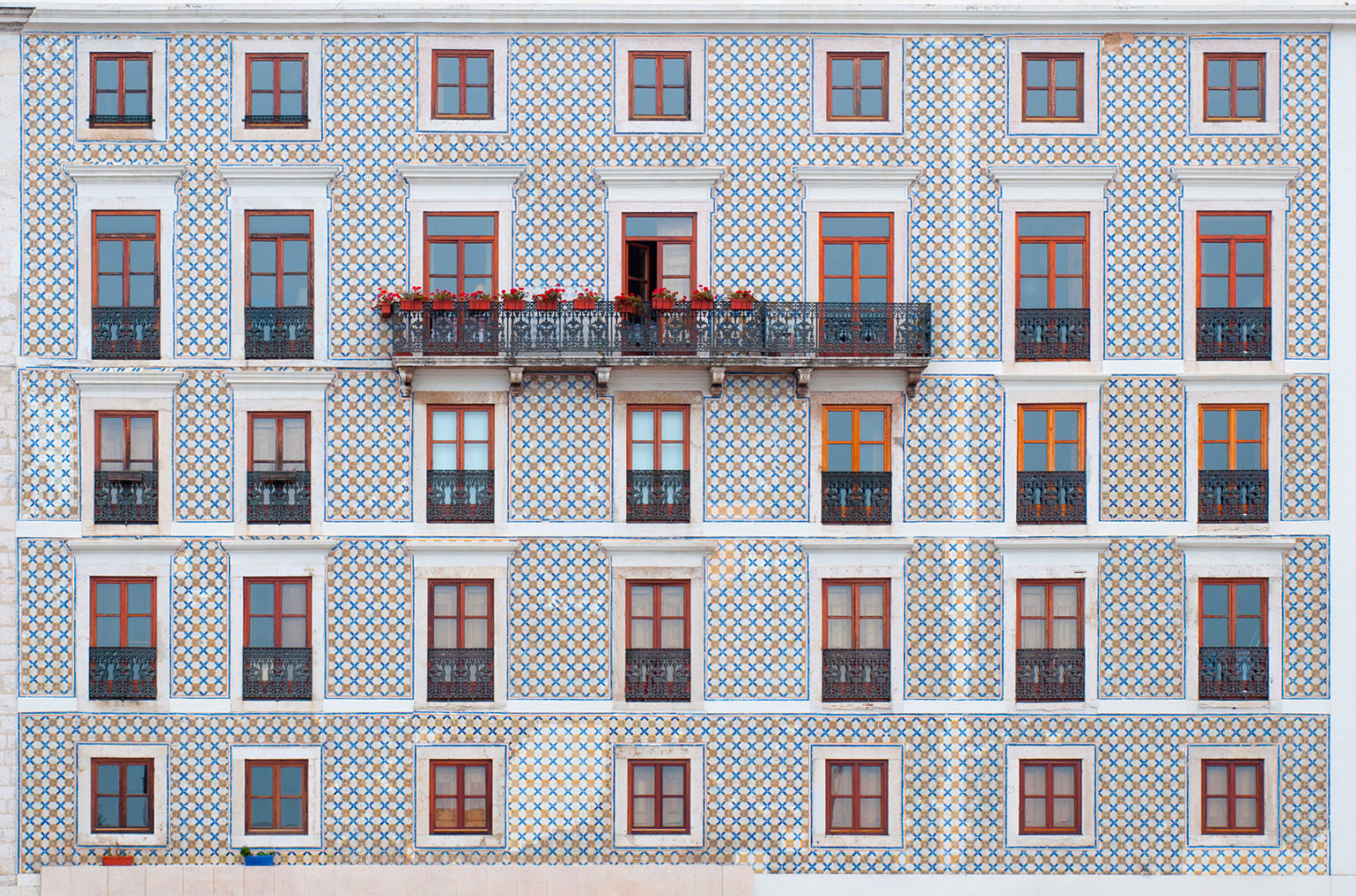
Azulejos façade, Lisbon
From the Arabic ‘az-zulaiŷ’, azulejos arrived in Portugal in the 15th century, becoming art and history.
From Islamic heritage to the tiled city
The word azulejo derives from the Arabic az-zulaiŷ, meaning “small polished stone”. The technique reached Portugal in the 15th century via Seville and Valencia, bringing with it geometric patterns and a logic of infinite repetition. It was between the 17th and 18th centuries that Portuguese tilework developed a distinct narrative autonomy, transforming entire walls into visual stories.
Ensembles such as those at the Monastery of São Vicente de Fora or the Palace of the Marquises of Fronteira illustrate how azulejos became a historical and political language, documenting events, mythologies and worldviews.
After the earthquake of 1755, azulejos took on a new role. In the reconstruction of Lisbon, they began to protect façades, reflect light and withstand time. The modern city acquired a ceramic skin, a practical solution that would come to define Lisbon’s urban image.
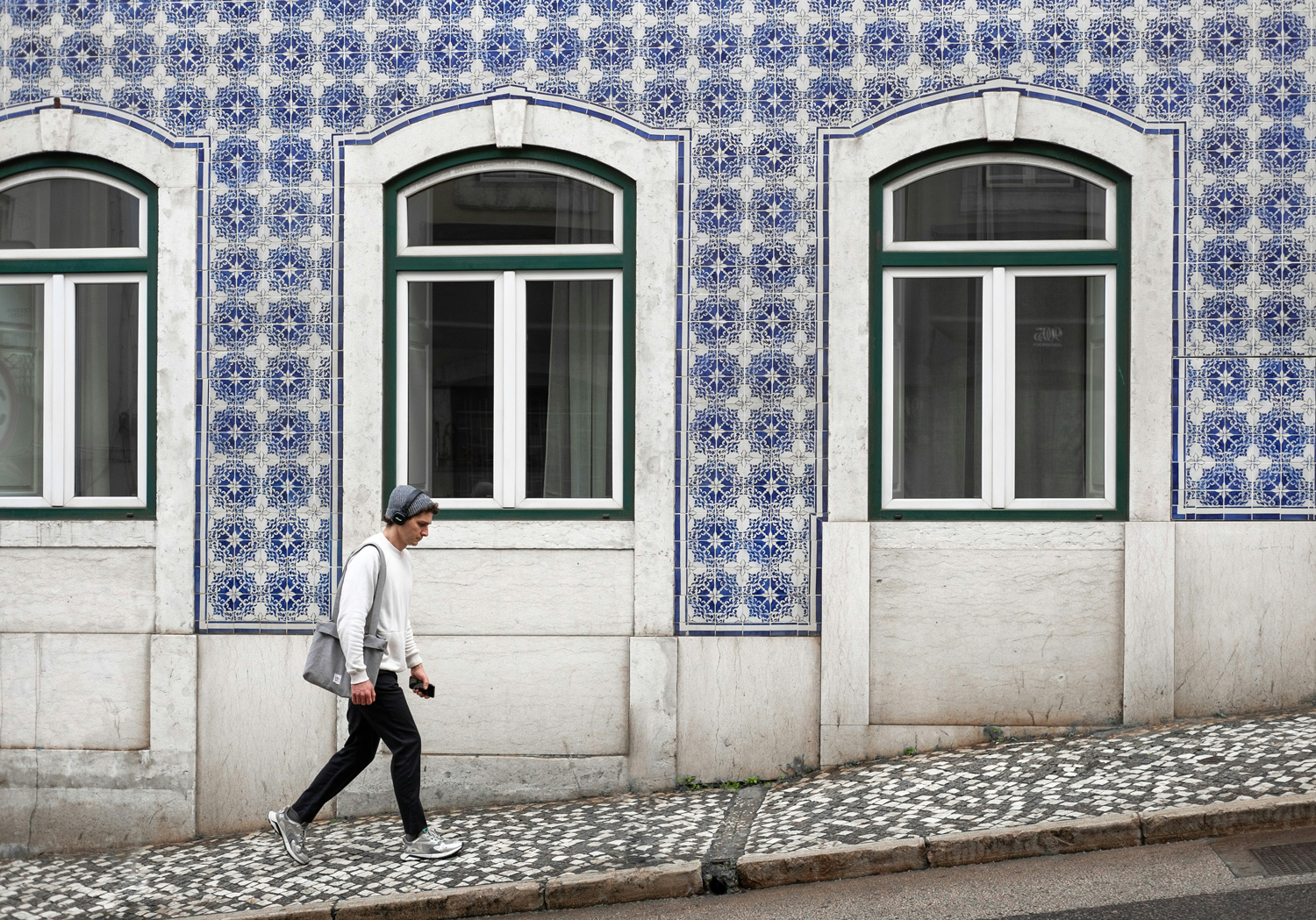
Azulejos façade, Lisbon ©Noelephants
In the 19th century, Viúva Lamego modernised azulejos manufacturing, adapting and innovating over time.
Industry, continuity and the role of factories
In the 19th century, industrialisation changed the scale of tile production. It was in this context that factories such as Viúva Lamego, founded in 1849, assumed a decisive role. Viúva Lamego not only preserved traditional techniques but also created the conditions for azulejos to continue being produced, applied and reinvented across generations.
Unlike many European factories that disappeared or became fossilised, Viúva Lamego maintained a rare capacity for adaptation. Working with architects, artists and designers, it navigated modernism, postmodernism and contemporary practice without losing its identity.
In the 20th century, artists such as Maria Keil demonstrated that azulejos could be modern, functional and poetic. Her panels for the Lisbon Underground marked a turning point: less figurative storytelling, more rhythm, colour and abstraction. Azulejos had fully entered modern daily life.
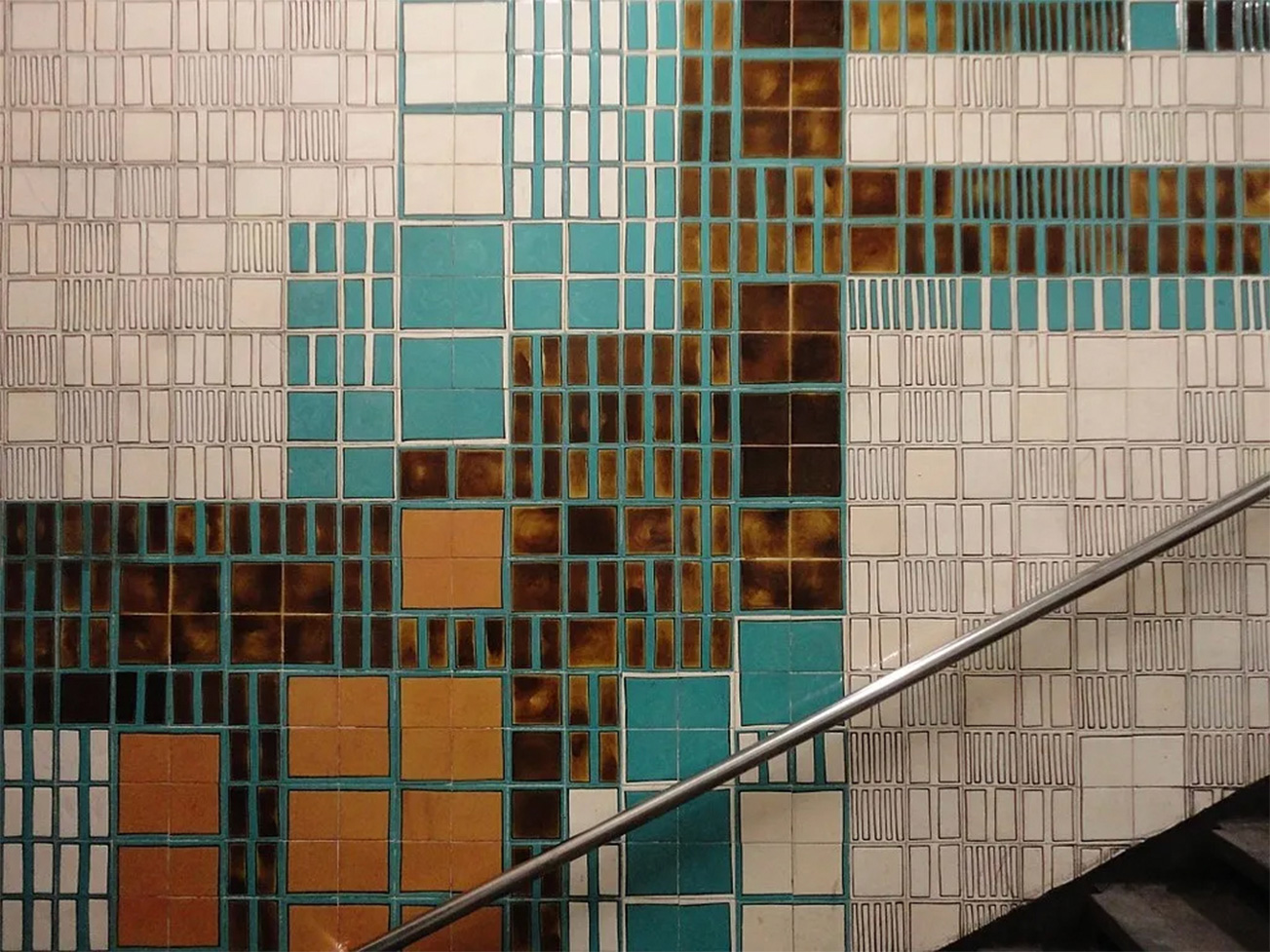
Intendente Metro Station, Maria Keil ©Viúva Lamego
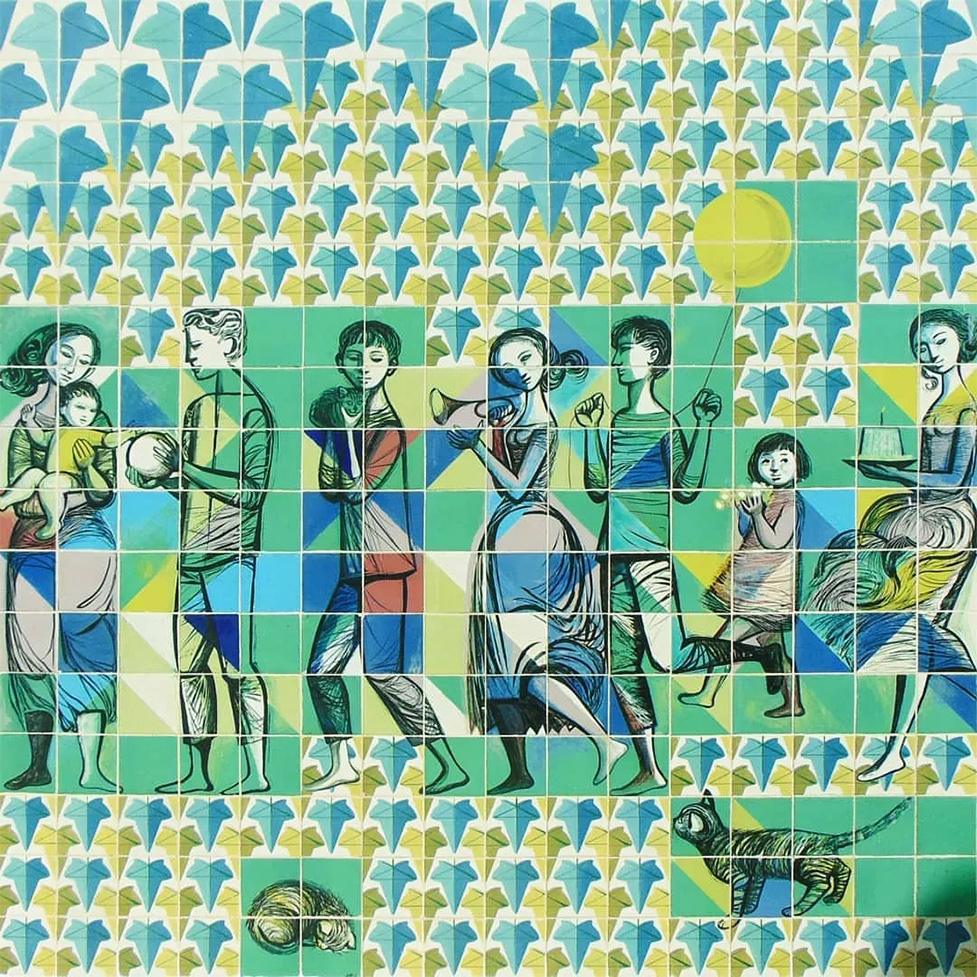
Orlando Ribeiro Municipal Library, Maria Keil ©Viúva Lamego
Over the last two decades, azulejos have been reborn in contemporary design, blending art and innovation.
New artisans, new workshops, new languages
Over the past two decades, azulejos have made a consistent return to contemporary creation. Not as revivalism, but as active material, open to formal, conceptual and urban experimentation.
Artists such as Add Fuel start from classical patterns only to fragment, tear and recombine them. Azulejos return to the street, engage with urban art and digital illustration, and gain new international visibility.
At the same time, workshops and studios have emerged that recover traditional craftsmanship through an authorial lens. Oficina Marques, founded by Gezo Marques and José Aparício Gonçalves, is among the most consistent examples. Here, azulejos are conceived as graphic and architectural systems pattern, module, rhythm and scale.
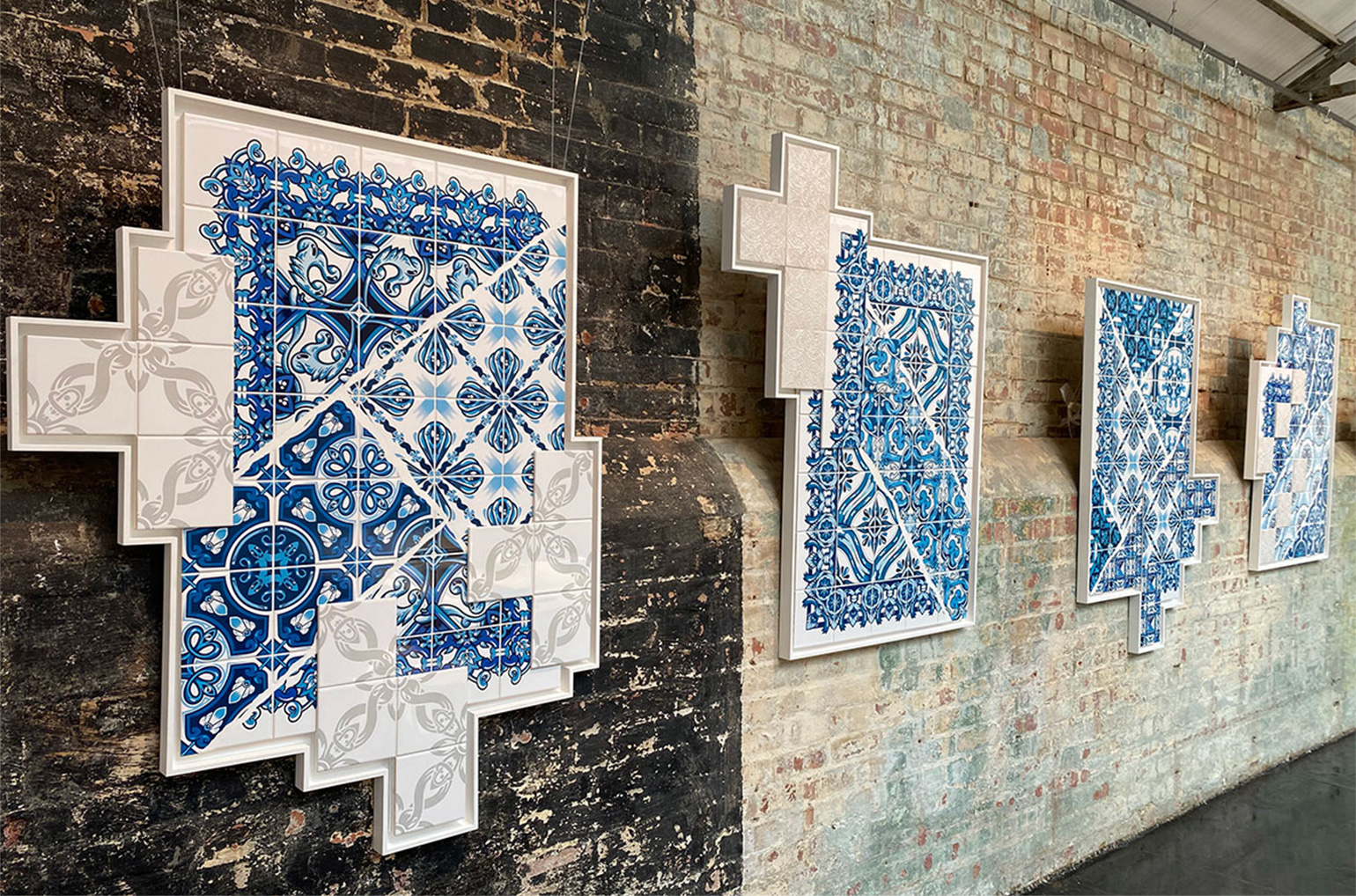
Simply Squares, Add Fuel ©StolenSpace
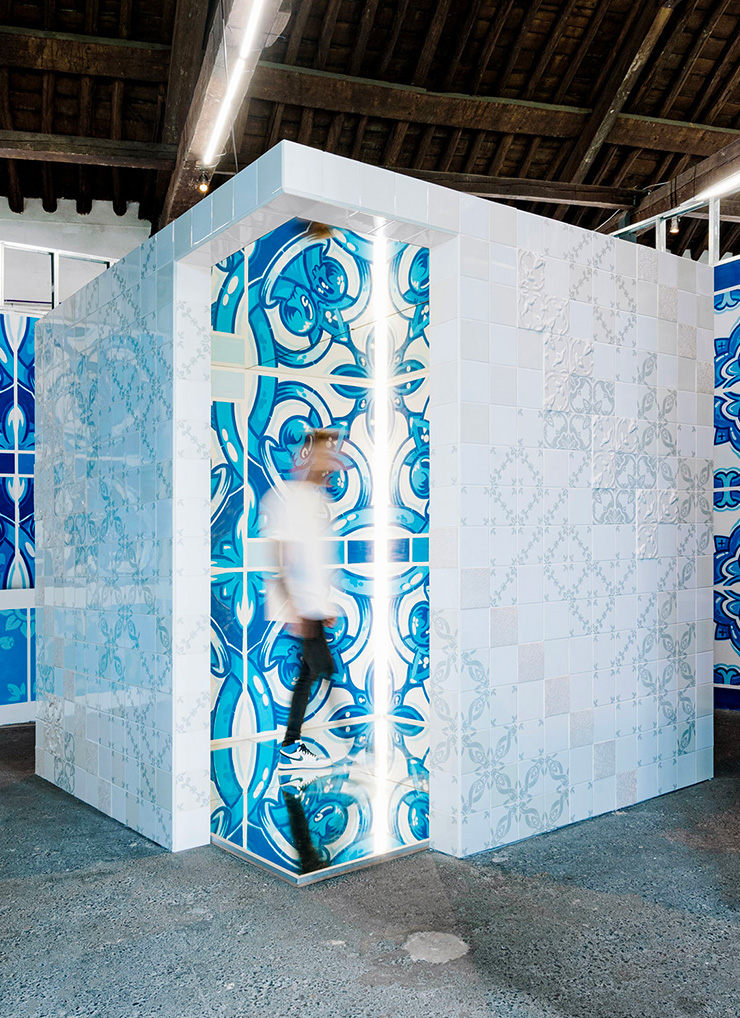
Núcleo, Add Fuel ©Bárbara Monteiro
A space for research, experimentation, and cultural continuity.
Viúva Lamego today: factory, atelier, creative platform
Today, Viúva Lamego positions itself as a genuine platform for contemporary creation. The factory works with artists from different generations, bringing together industrial tradition and artistic research.
Among the authors who have collaborated with Viúva Lamego are figures such as Pedro Cabrita Reis, Siza Vieira, Tamara Alves, Kruella d’Enfer, Manuela Pimentel and Henriette Arcelin.
Many of these collaborations, presented at the National Tile Museum, demonstrate that the factory is not merely a place of production, but a space for research, experimentation and cultural continuity.
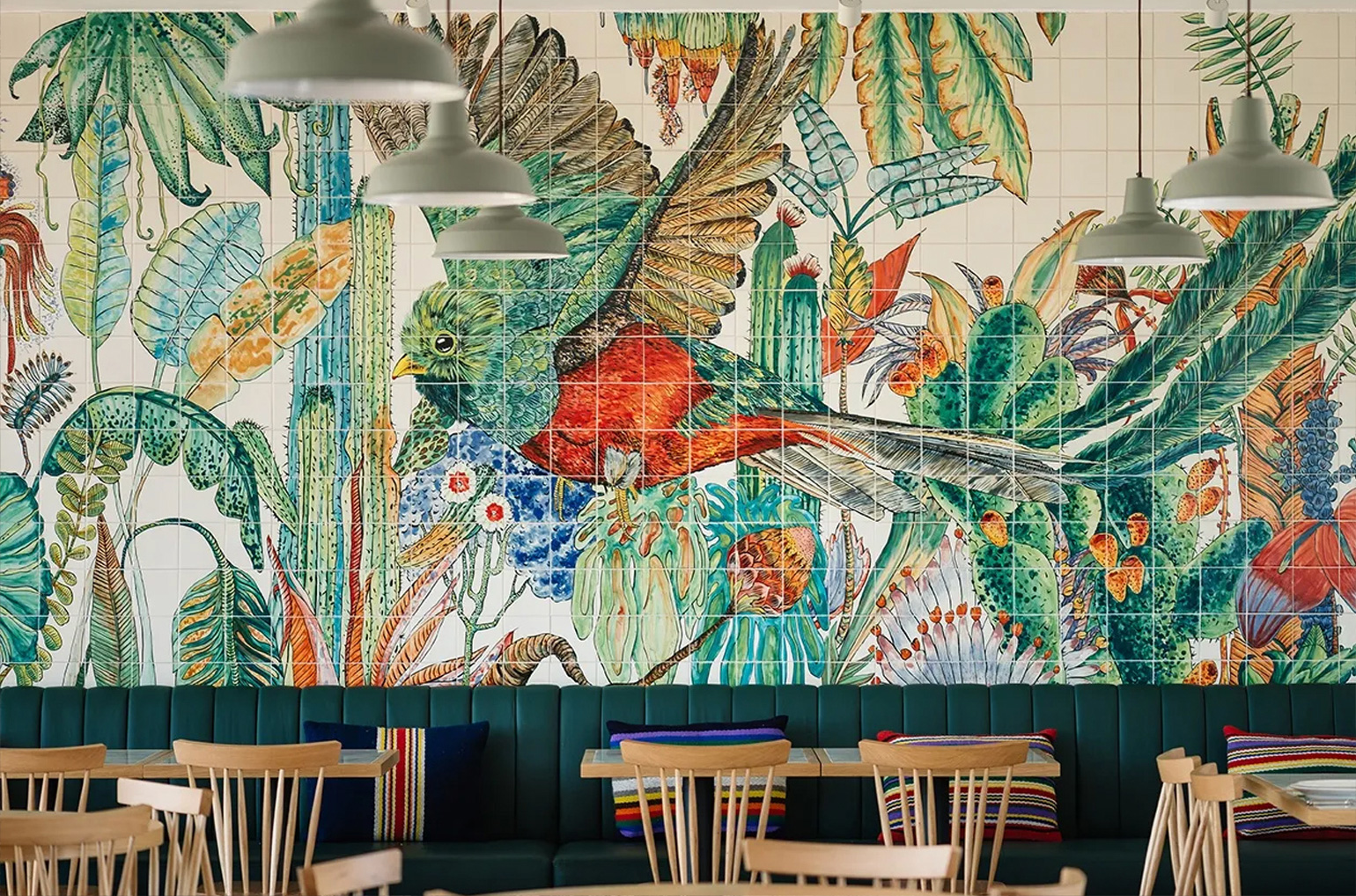
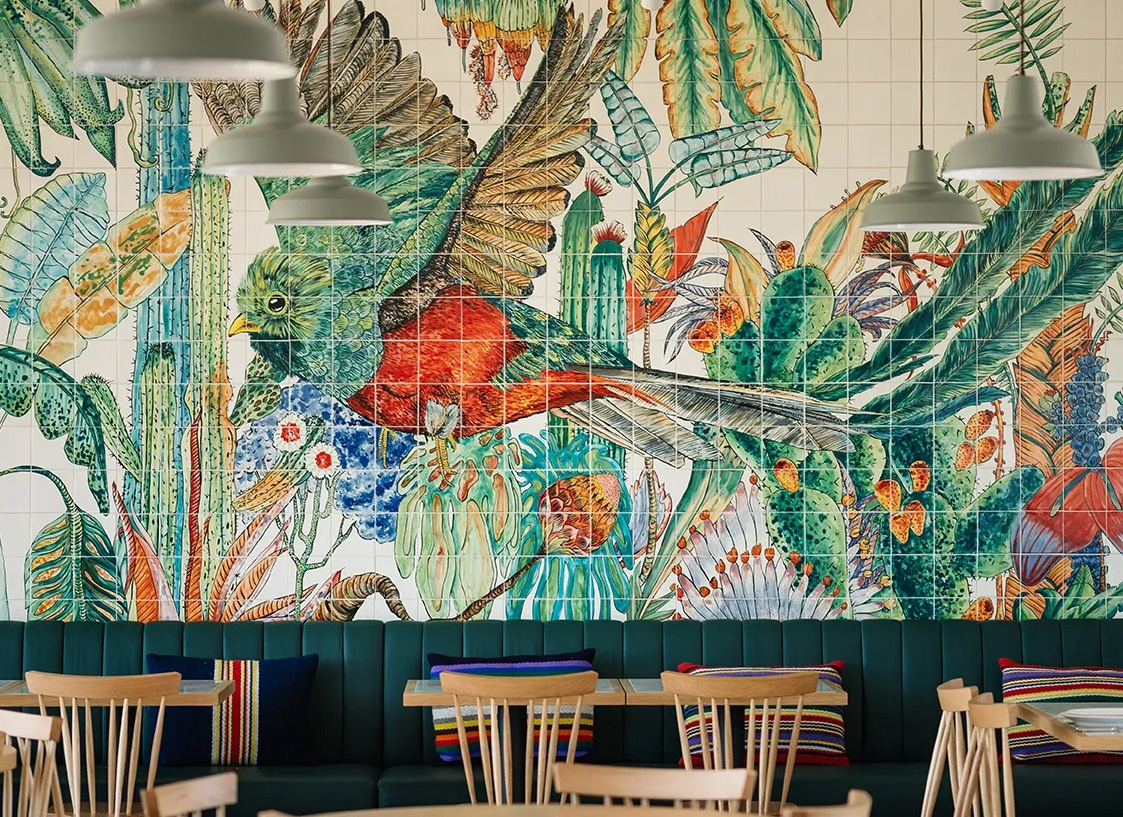
Quinta do Quetzal - Henriette Arcelin, Anahory Almeida ©Viúva Lamego
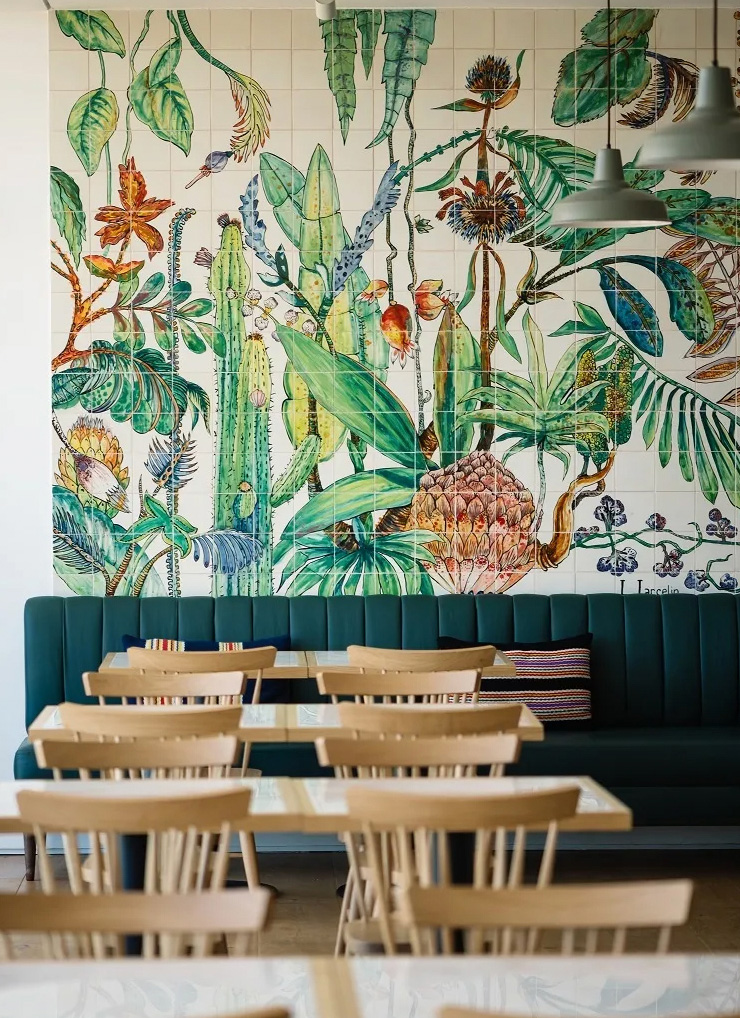
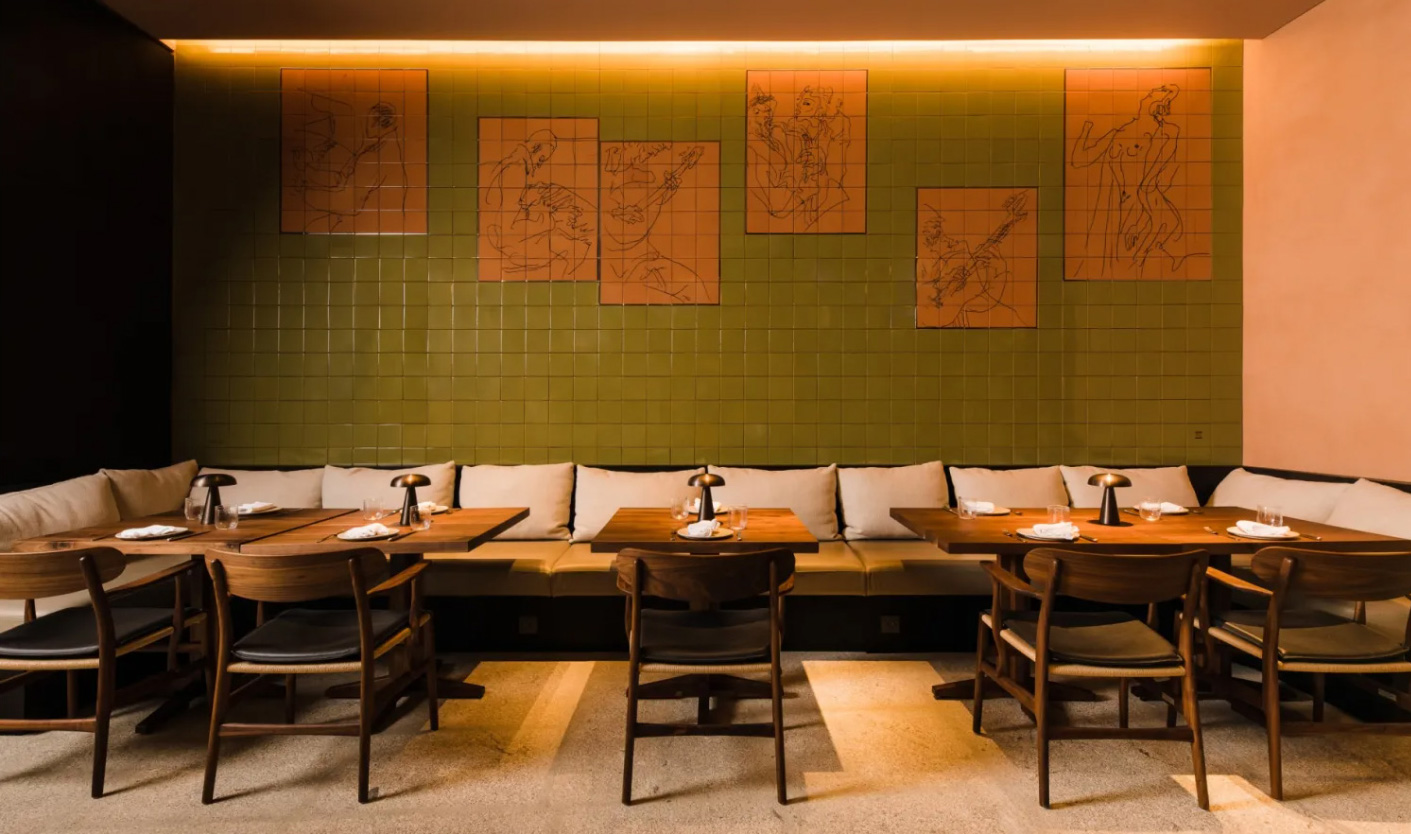
Cozinha das Flores Restaurant, Álvaro Siza ©Viúva Lamego
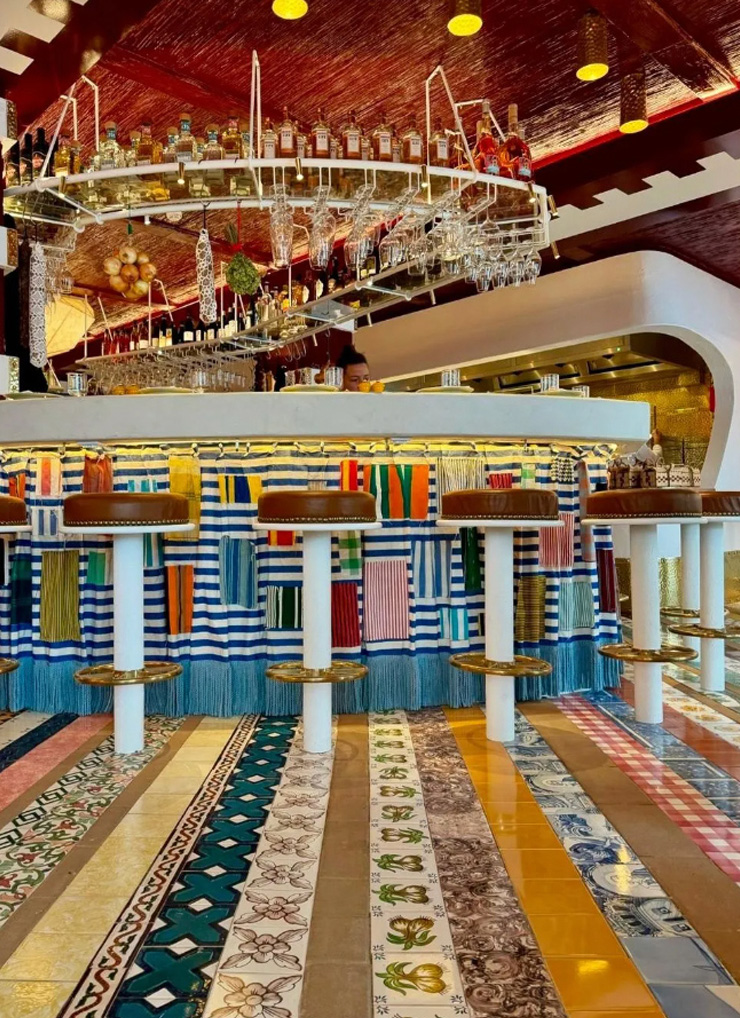
JNcQUOI Deli Comporta, PDEMEYER&CO Studio ©Viúva Lamego
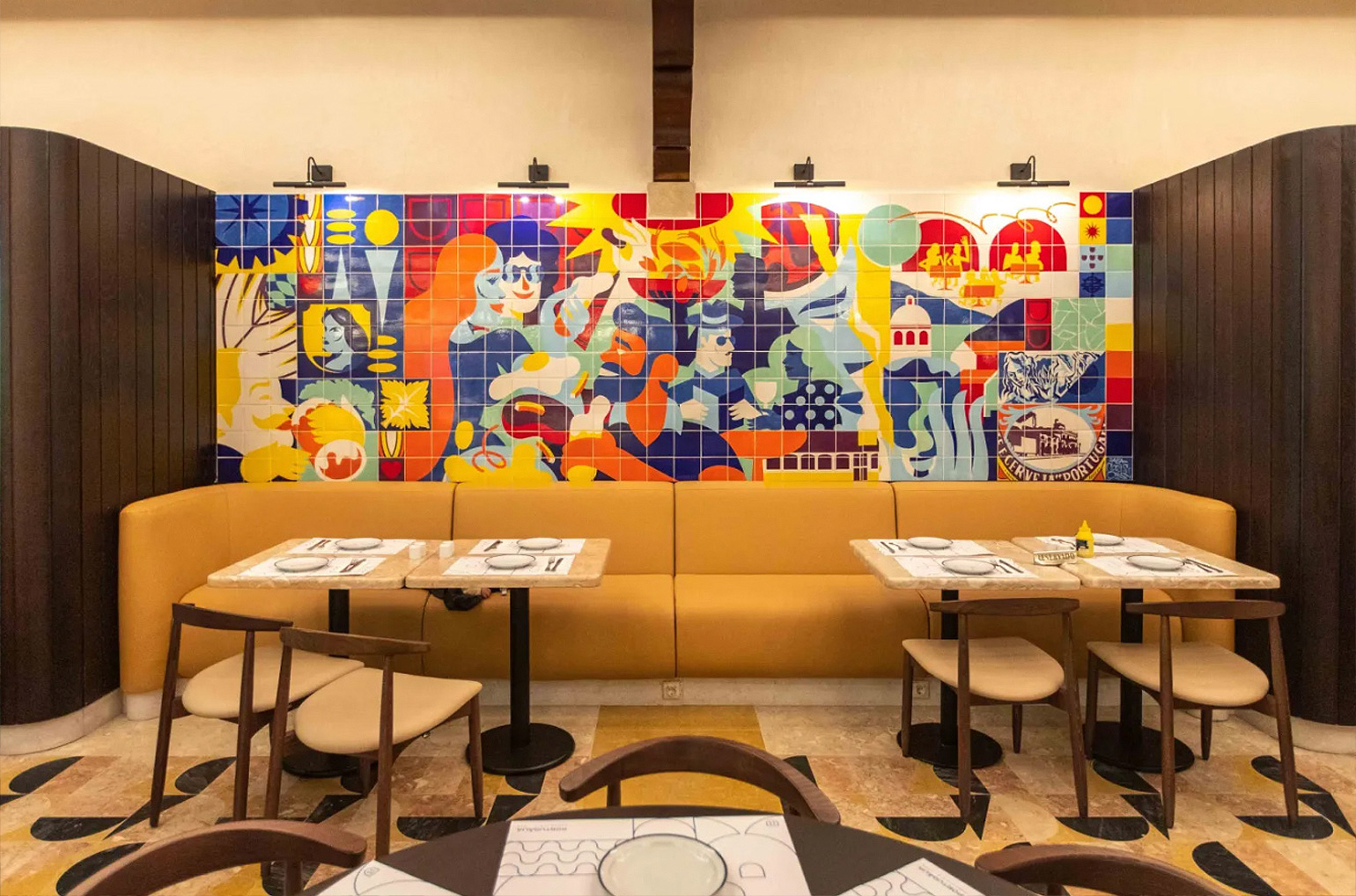
Portugália Restaurant, AkaCorleone ©Viúva Lamego
An identity in motion
What distinguishes Portuguese azulejos today is not only their longevity, but their ability to remain in motion. Artists such as Bela Silva, Vhils or Adriana Varejão show that ceramics can be critical, political and contemporary, without losing their connection to memory.
In a world dominated by fleeting images, azulejos continue to fix time. Not as relics, but as active surfaces, open to new layers of meaning.
Portugal does not preserve azulejos as objects of the past. It works them, transforms them, rewrites them. That is why, between convents, factories, ateliers and urban façades, azulejos remain both the skin and the mirror of a country in permanent construction.