

Lisbon in Fragments: an architectural journey through detail
By Miguel Sur
This is a journey through Lisbon’s architecture across time, not through the whole, but through fragments. An exercise in observation, where the city reveals itself in material, texture, and the way light shifts across surfaces throughout the day. Lisbon is not presented in an obvious way, but uncovered slowly, through details that escape a hurried gaze.
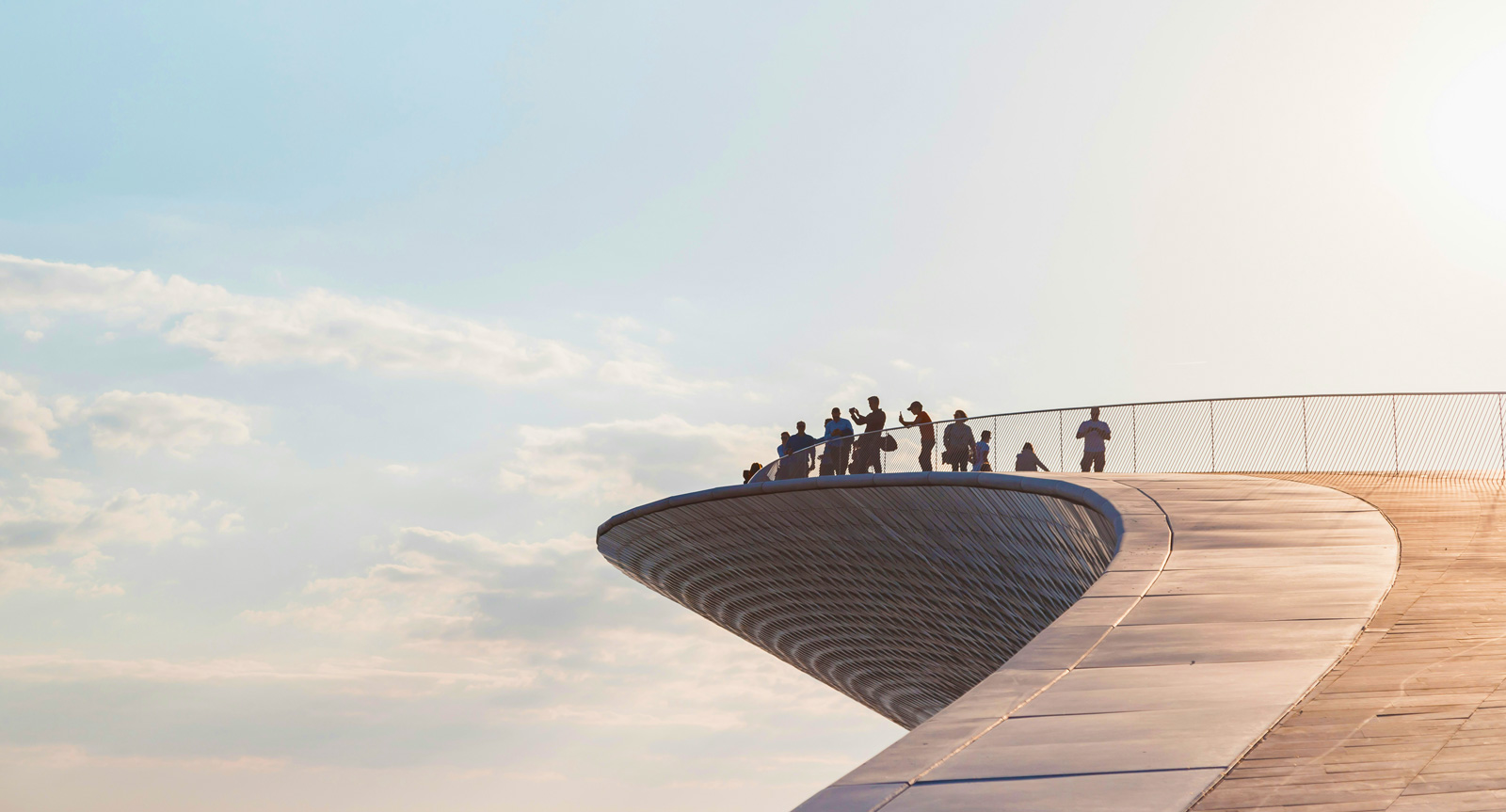
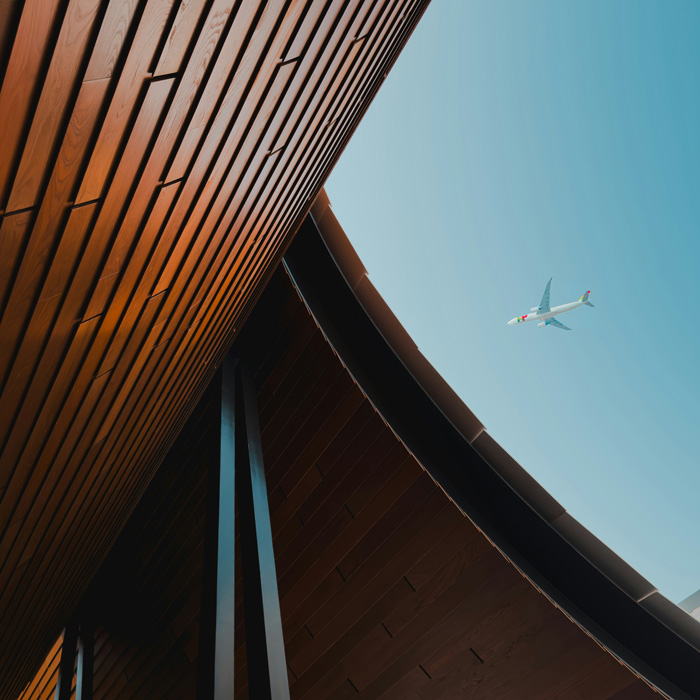
Maat, Lisbon ©Laurent de Brito
Some elements only emerge through a more sensitive lens, subtle reflections, projected shadows, imperfections that carry memory. It is within this territory, between the visible and the suggested, that this narrative is constructed.
Lisbon’s light [...] travels across periods, styles and materials, revealing architecture in different ways.
This article proposes a reading of the city where each image acts as a cut in time, revealing how light moves through Lisbon, shaping spaces and transforming architecture over the course of the day.
Lisbon’s light, distinctive and constantly changing, travels across periods, styles and materials, revealing architecture in different ways. In pre-earthquake spaces, it fragments through dense, ornamented interiors; in the Pombaline city, it glides with precision across symmetrical façades and aligned streets; in 20th-century modernism, it sharpens into geometry; and in contemporary architecture, it reflects, dissolves and multiplies across surfaces designed to amplify it.
Each image captures this dialogue between light and matter, revealing successive layers of the city, from pre-1755 Lisbon, through Pombaline rationalism and 20th-century modernity, to its most current architectural expressions.
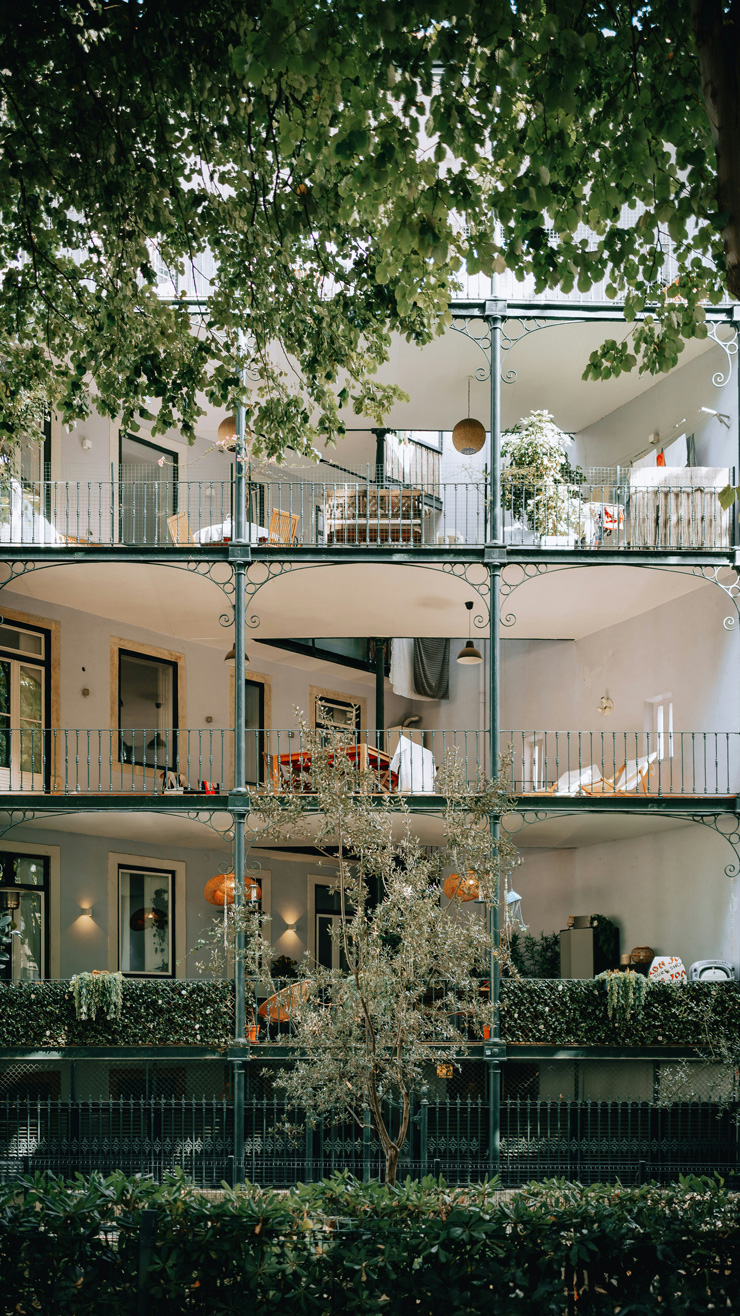
Houses in Lisbon ©Aleksandr Zaitsev
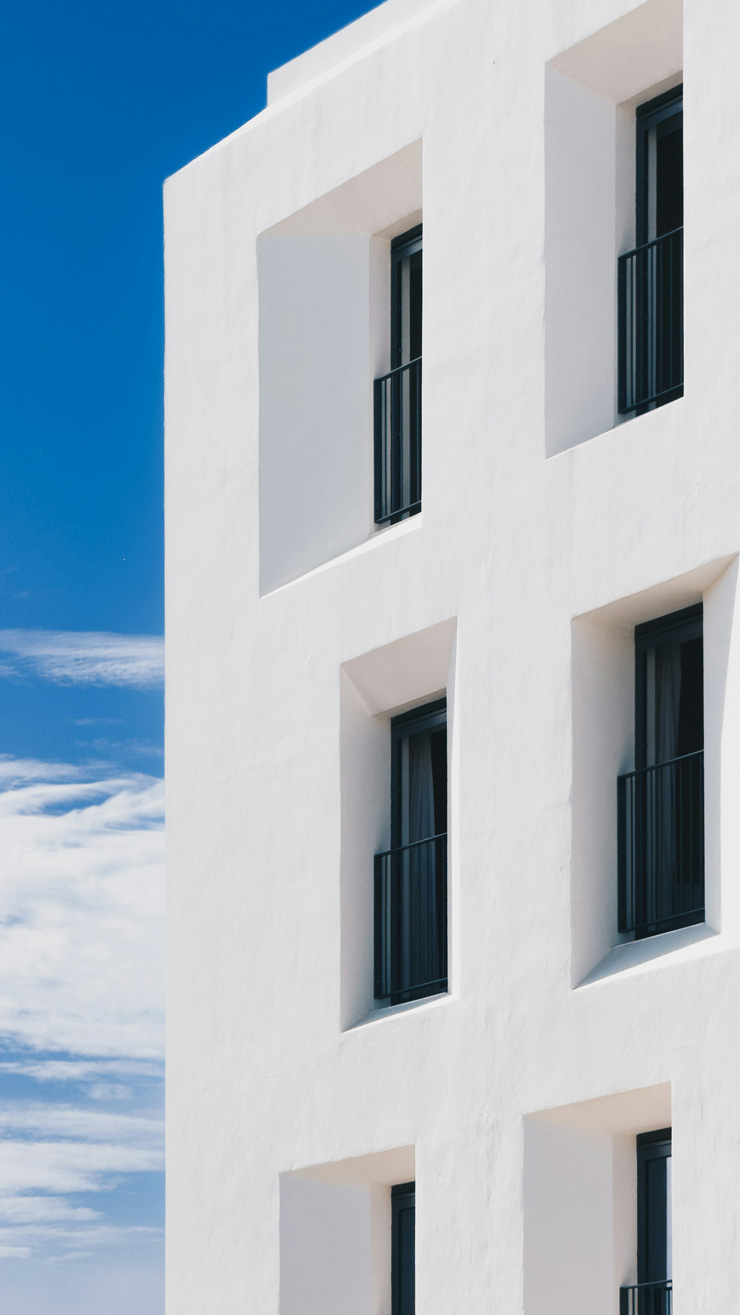
Modern architecture ©Aleksandr Zaitsev
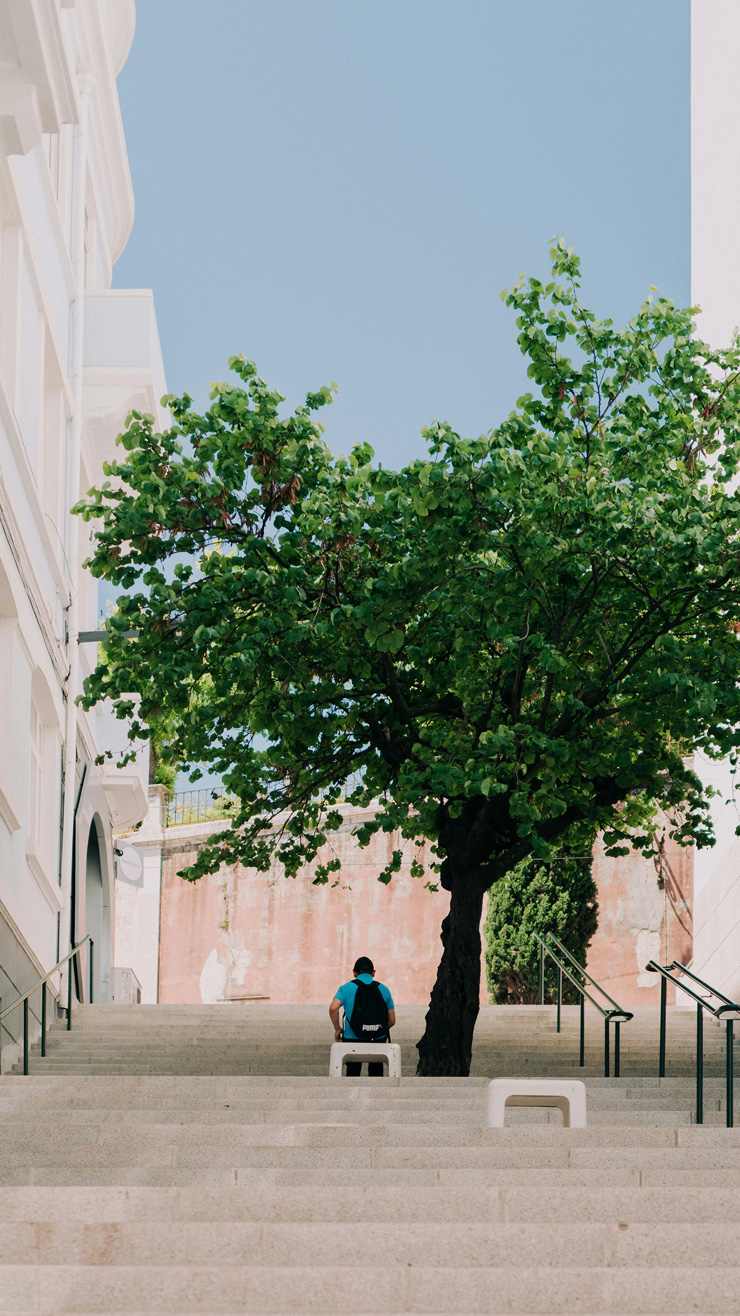
Pombaline architecture ©Aleksandr Zaitsev
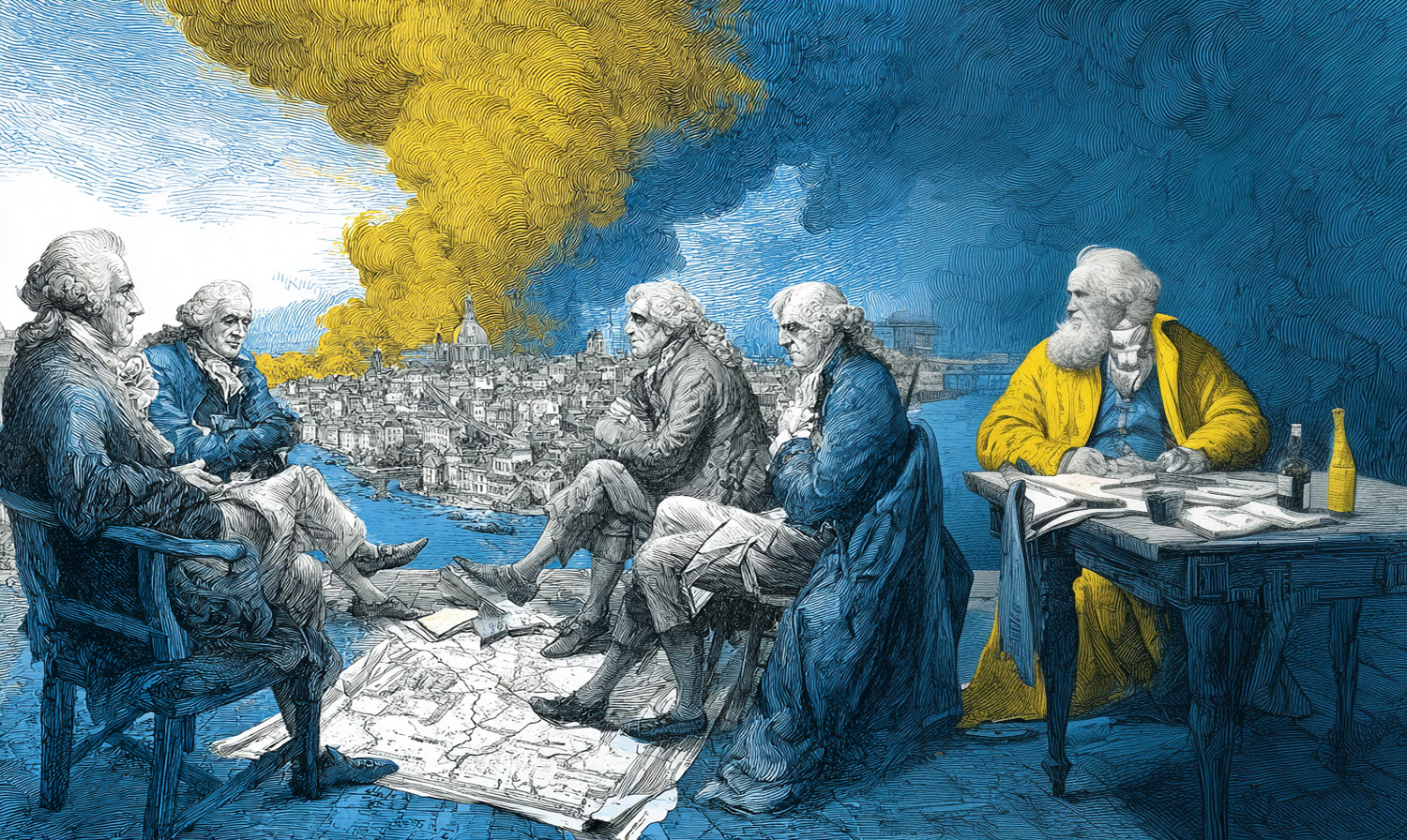
Before 1755, Lisbon was dense, irregular and deeply medieval.
Before the earthquake: an organic and sacred city
Before 1755, Lisbon was dense, irregular and deeply medieval, an organic fabric shaped by topography, trade and religion.
The Jerónimos Monastery stands as a powerful example of this symbolic and ornamental city. Here, detail is everything: carved stone ropes, maritime motifs, an architecture that celebrates empire through excess. To photograph it is not to capture the whole, but to isolate fragments, almost as independent drawings.
The National Pantheon, begun in the 16th century and only completed in the 20th, is a lesson in architectural time. Its interior, clad in coloured Portuguese marble, creates geometric compositions that shift with light, giving rise to the portuguese expression “works of Santa Engrácia,” synonymous with endless construction.
At the Estrela Basilica, built between 1779 and 1789, a moment of transition becomes evident. Commissioned by Queen Maria I, it combines a late Baroque language with emerging neoclassical tendencies. The dome, often photographed, reveals itself most clearly in detail, where light sculpts the stone into volume.
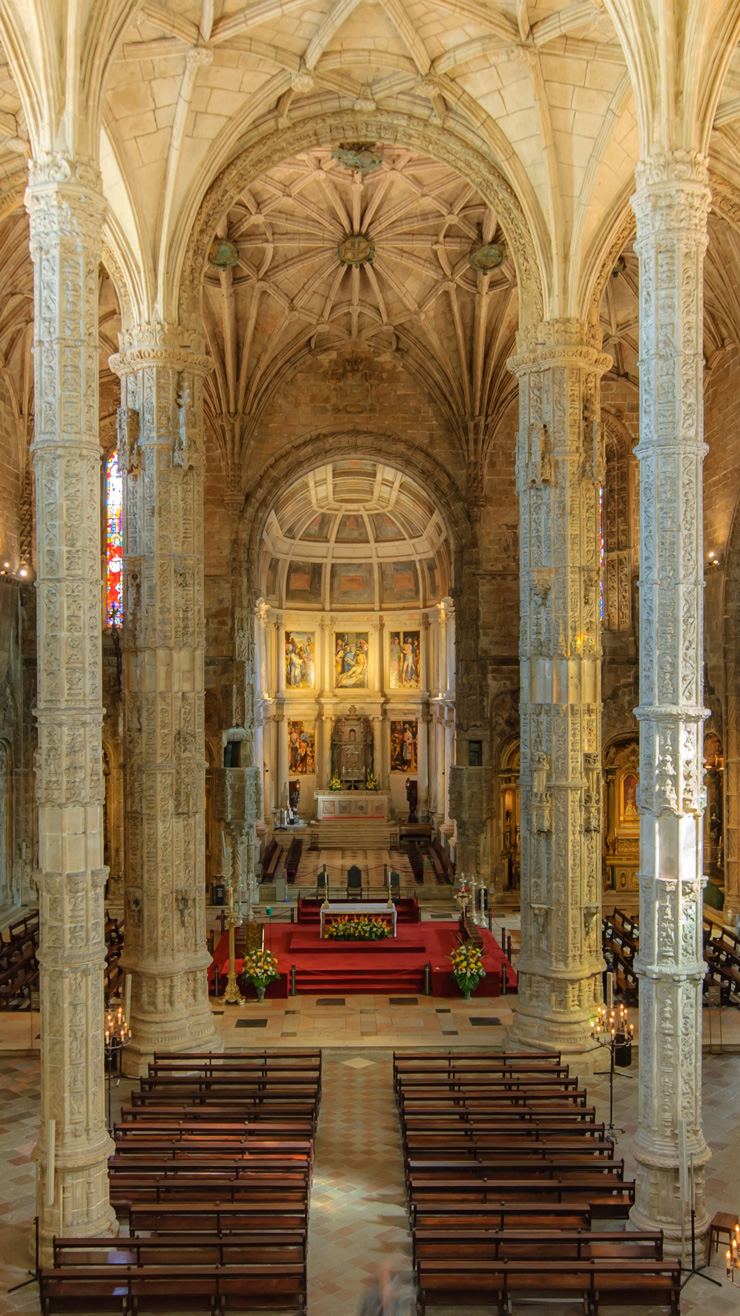
Jerónimos Monastery ©Bogitw
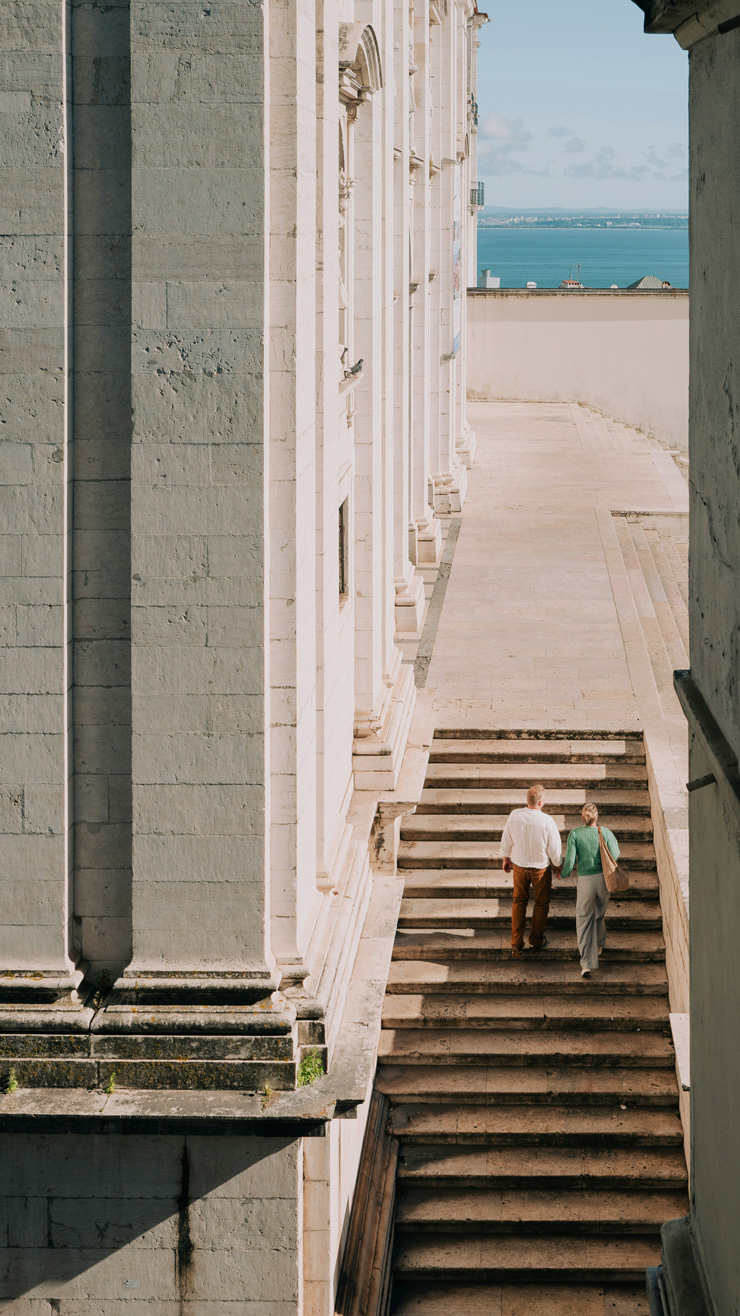
National Pantheon ©Aleksandr Zaitsev
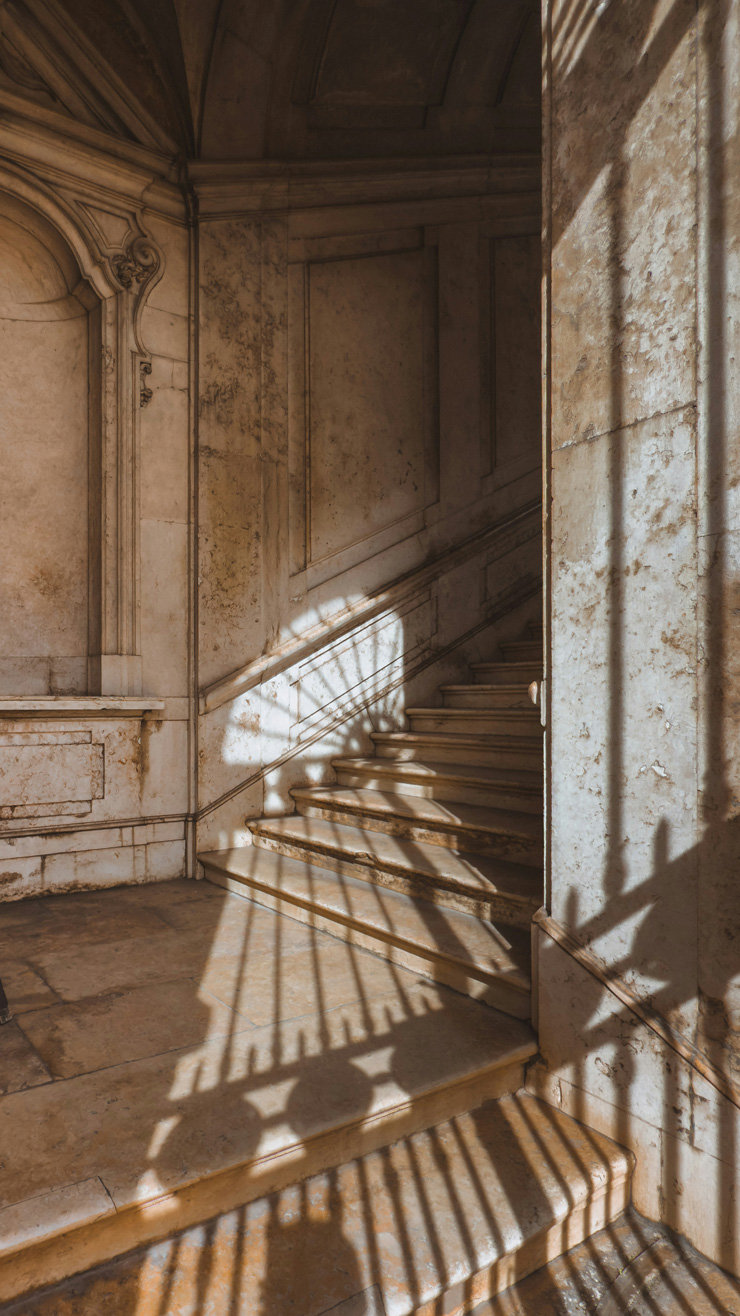
Estrela Basilica ©Aleksandr Zaitsev
The 1755 earthquake did not simply destroy Lisbon, it redefined it.
1755: the city reinvented the birth of modernity
The 1755 earthquake did not simply destroy Lisbon, it redefined it.
Under the leadership of the Marquis of Pombal, the Baixa district emerged as one of Europe’s earliest examples of modern urban planning: orthogonal streets, standardised buildings and seismic-resistant structures.
Here, architecture becomes more than expression it becomes system, engineering, logic.
Yet, it is in the detail that this Lisbon comes alive. Symmetrical façades, wrought-iron balconies, tiled surfaces in pinks, reds and blues, a visual rhythm that defines the city’s identity. Lisbon becomes, in this moment, a modern city ahead of its time.
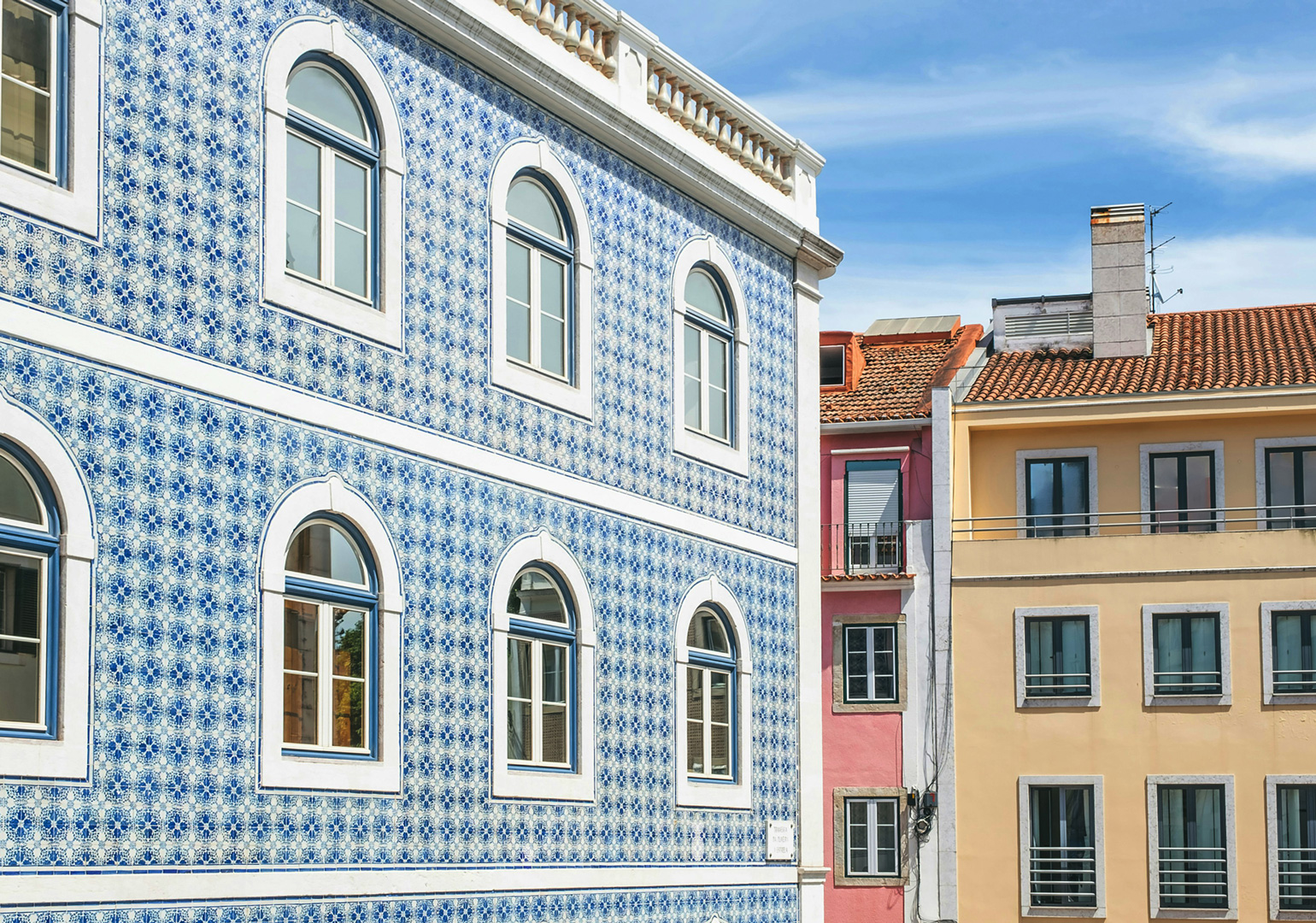
São João da Mata street, Parish of Estrela
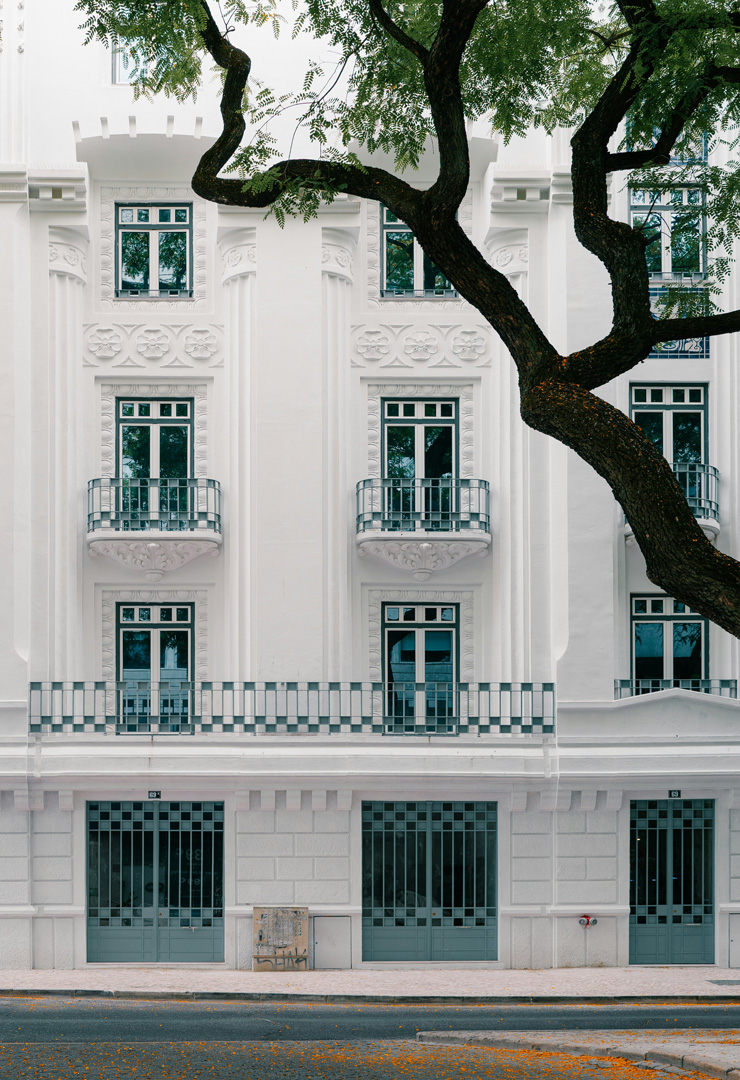
©Aleksandr Zaitsev
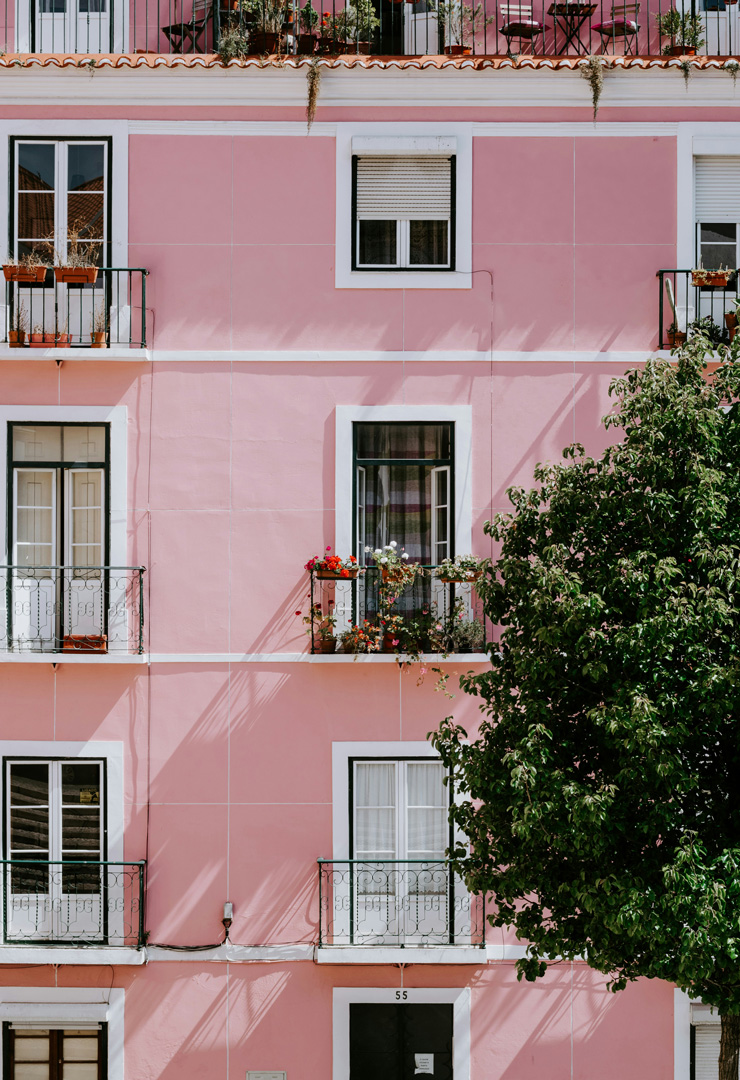
©Jessica Arends
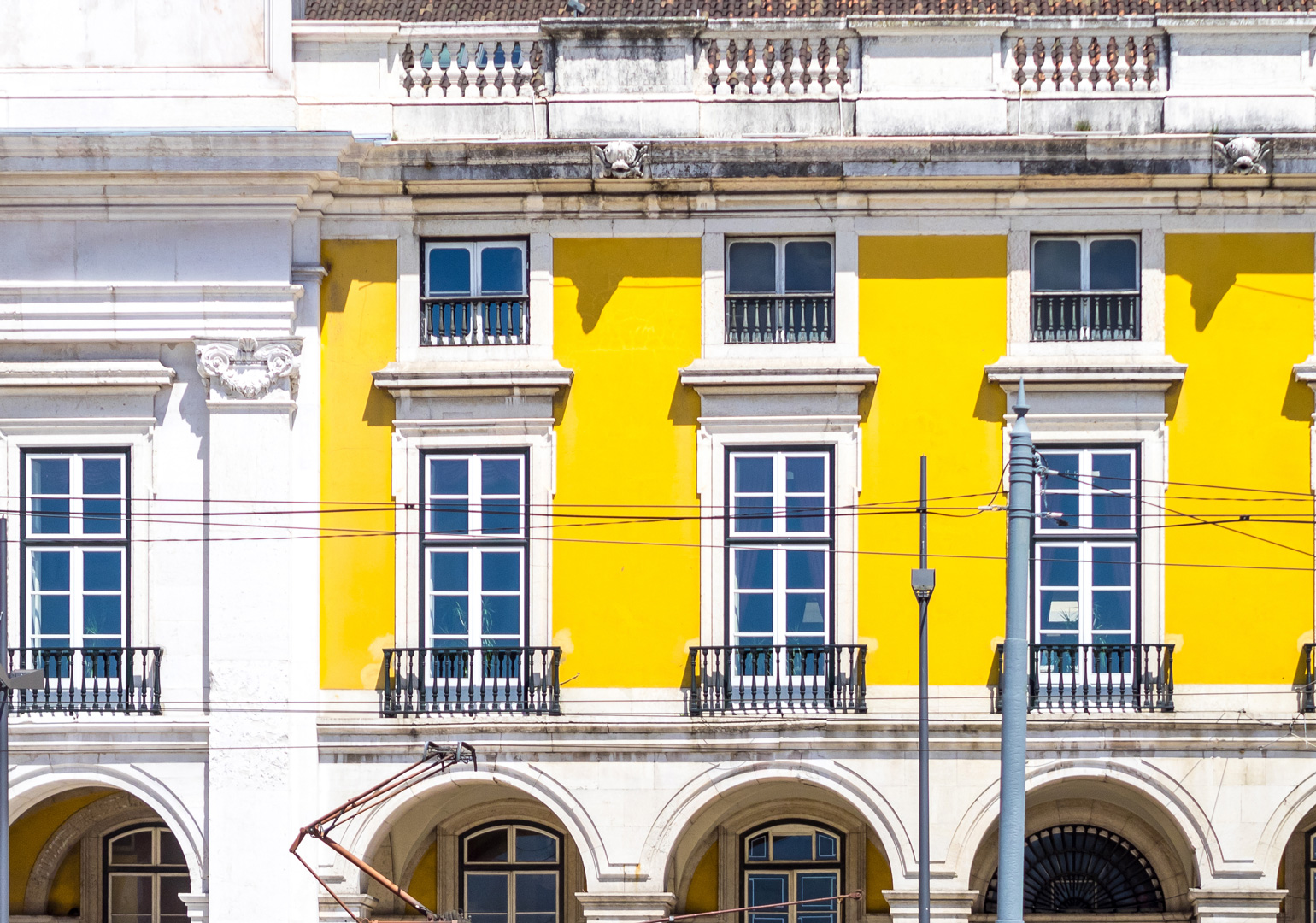
Terreiro do Paço
[...] under the Estado Novo, Lisbon begins to transform once again.
Estado Novo: order, monumentality and controlled modernism
In the early decades of the 20th century, particularly from the 1930s onwards, under the Estado Novo, Lisbon begins to transform once again.
The expansion into areas such as Avenidas Novas and Alvalade introduces a new language: taller buildings, cleaner façades, a disciplined modernity shaped by architects like Cassiano Branco.
Detail shifts, less ornament, more geometry. Continuous balconies, horizontal openings, repeated rhythms.
It is also during this period that the scale of Lisbon changes more visibly. The construction of the 25 de Abril Bridge introduces a bold structural line across the Tagus, redefining the city’s horizon.
At the same time, a rupture occurs in religious architecture. The Church of the Sacred Heart of Jesus, by Nuno Teotónio Pereira and Nuno Portas, stands as a landmark of Portuguese neobrutalism raw concrete, exposed structure, and a conscious break from historical forms.
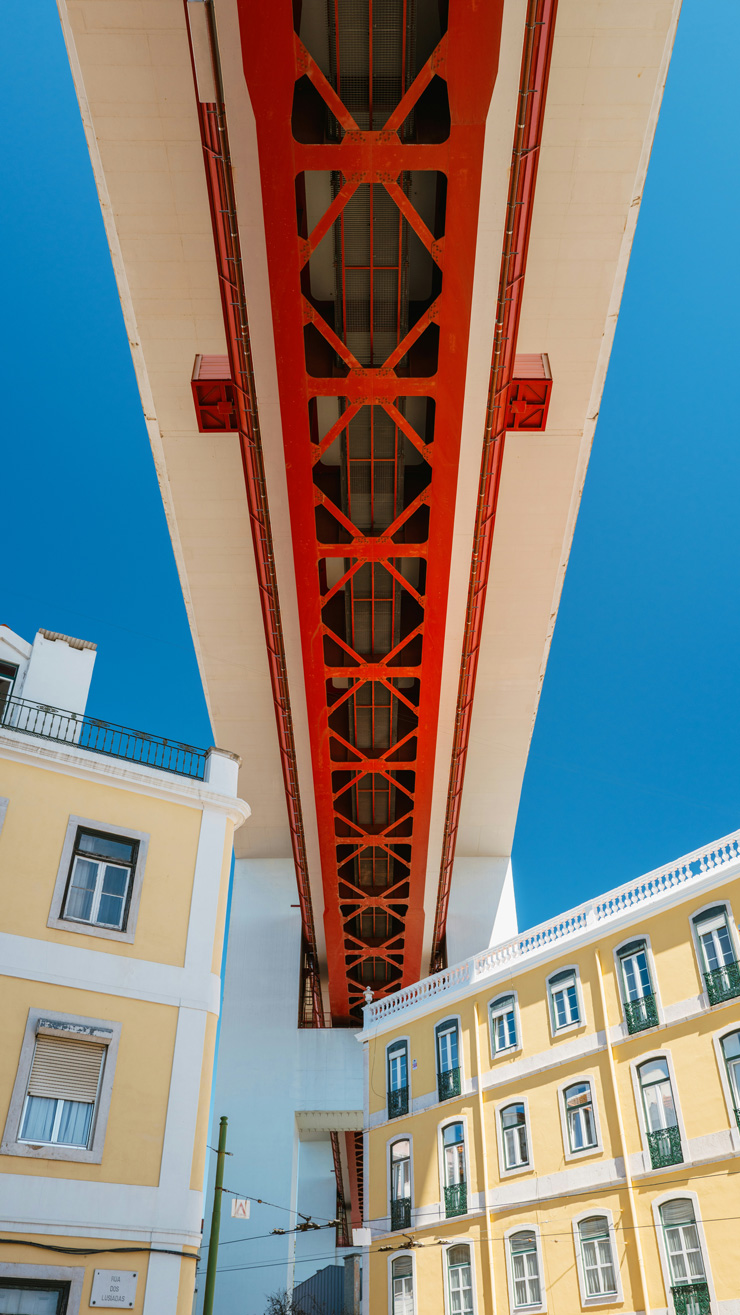
25 de Abril Bridge ©Aleksandr Zaitsev
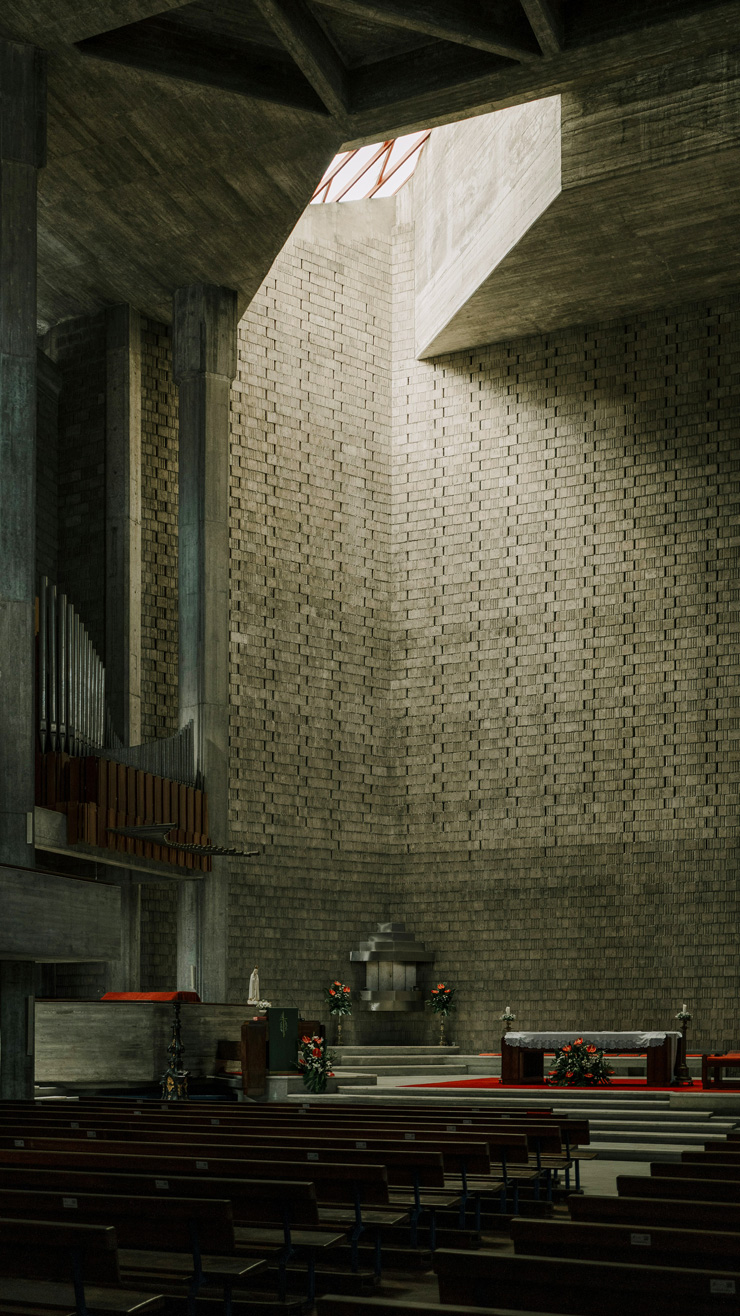
Church of the Sacred Heart of Jesus ©Aleksandr Zaitsev
Lisbon’s contemporary architecture does not break with the past, it engages in dialogue with it.
The contemporary city: fluidity, light and new relationships
Lisbon’s contemporary architecture does not break with the past, it engages in dialogue with it.
Recent projects reinterpret materials, scale and the relationship with landscape, especially the river and light. It is an open, fluid, sensory architecture where buildings become part of broader systems, urban, cultural, environmental.
Many of the most consistent examples can be found in the Parque das Nações, a territory of experimentation emerging from Expo 98.
The MAAT, designed by Amanda Levete, embodies this approach, a fluid structure clad in over 15,000 ceramic tiles that constantly react to light.
The EDP Headquarters by Aires Mateus explores mass and void with sculptural precision, while the Champalimaud Foundation by Charles Correa opens towards the river in a meditative gesture.
At the Gulbenkian’s new CAM, Kengo Kuma introduces the concept of engawa, a threshold between inside and outside.
The Portugal Pavilion by Álvaro Siza Vieira is defined by its suspended concrete canopy, while the Vasco da Gama Bridge stretches across the Tagus in near abstraction.
The Lisbon Oceanarium stands as a pure volume surrounded by water, and the Water Gardens, with Fernanda Fragateira’s tile intervention, explore reflection, transparency and memory.
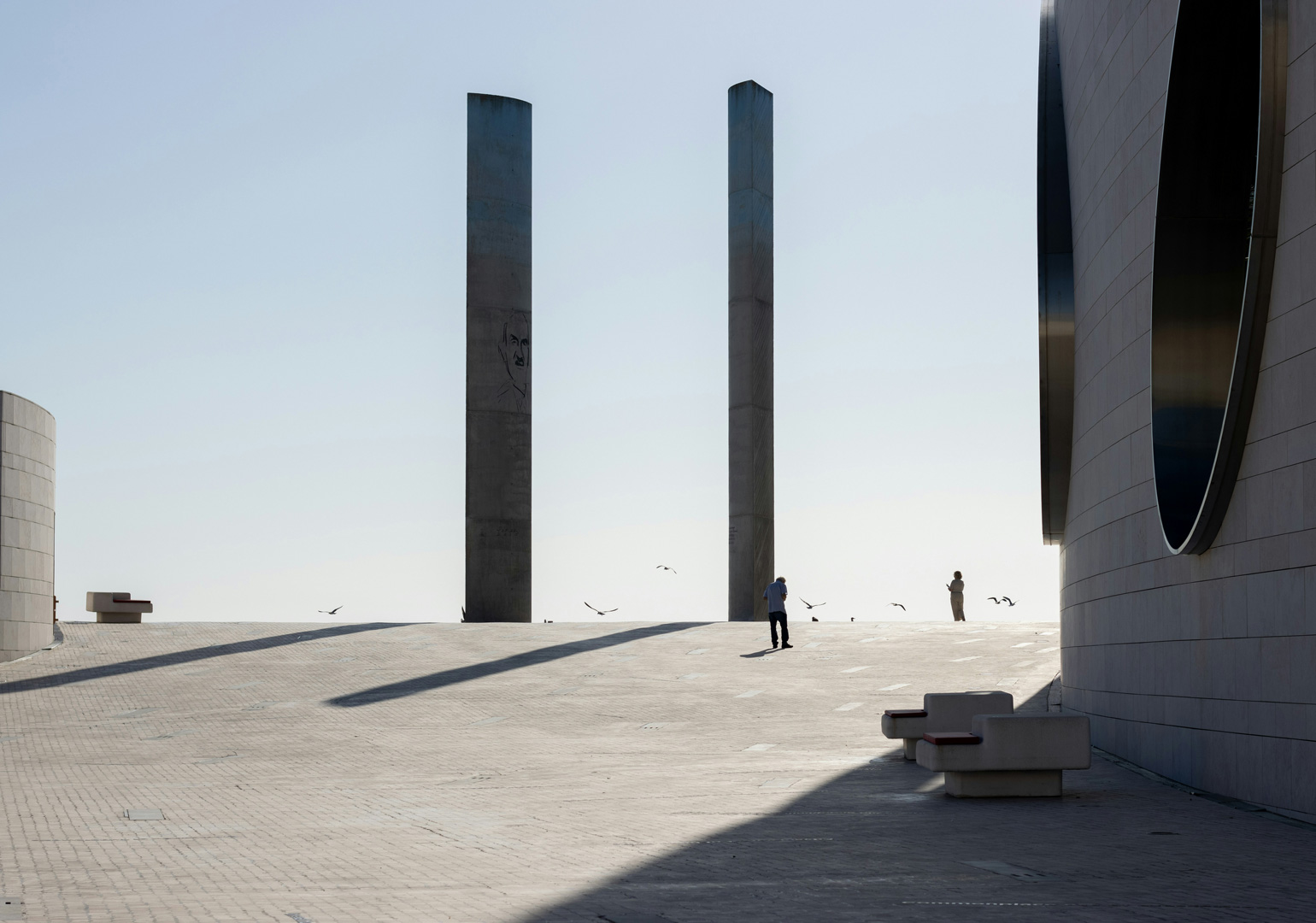
Champalimaud Foundation ©Helen Michielin
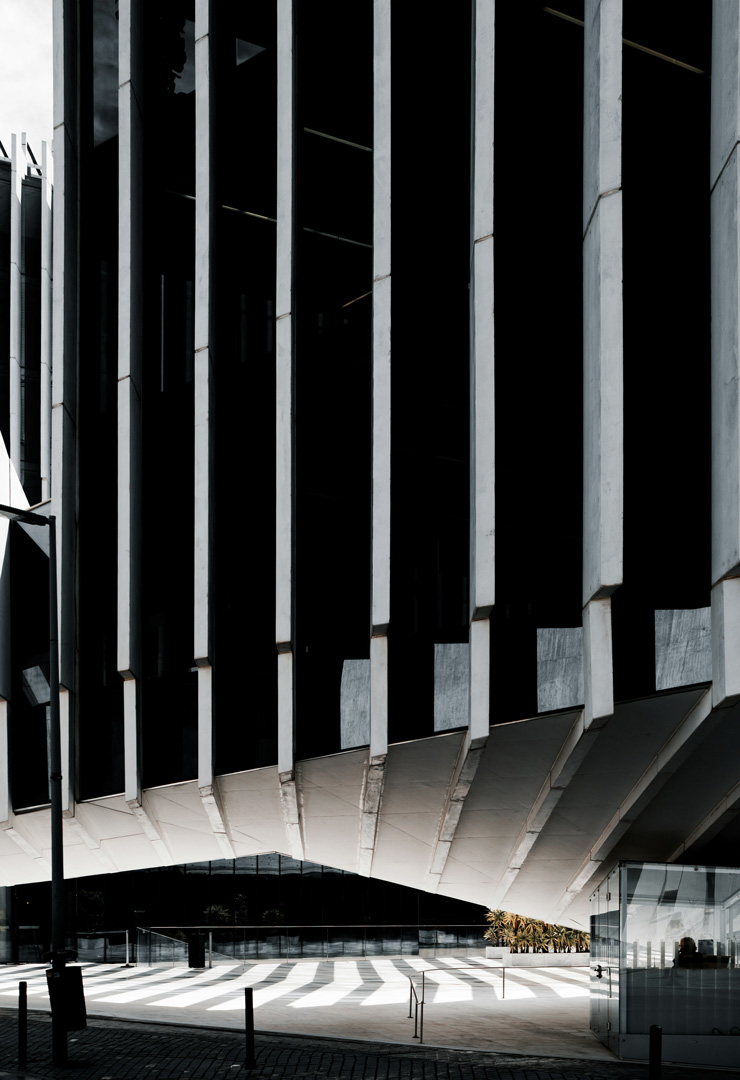
EDP Headquarters ©Aleksandr Zaitsev
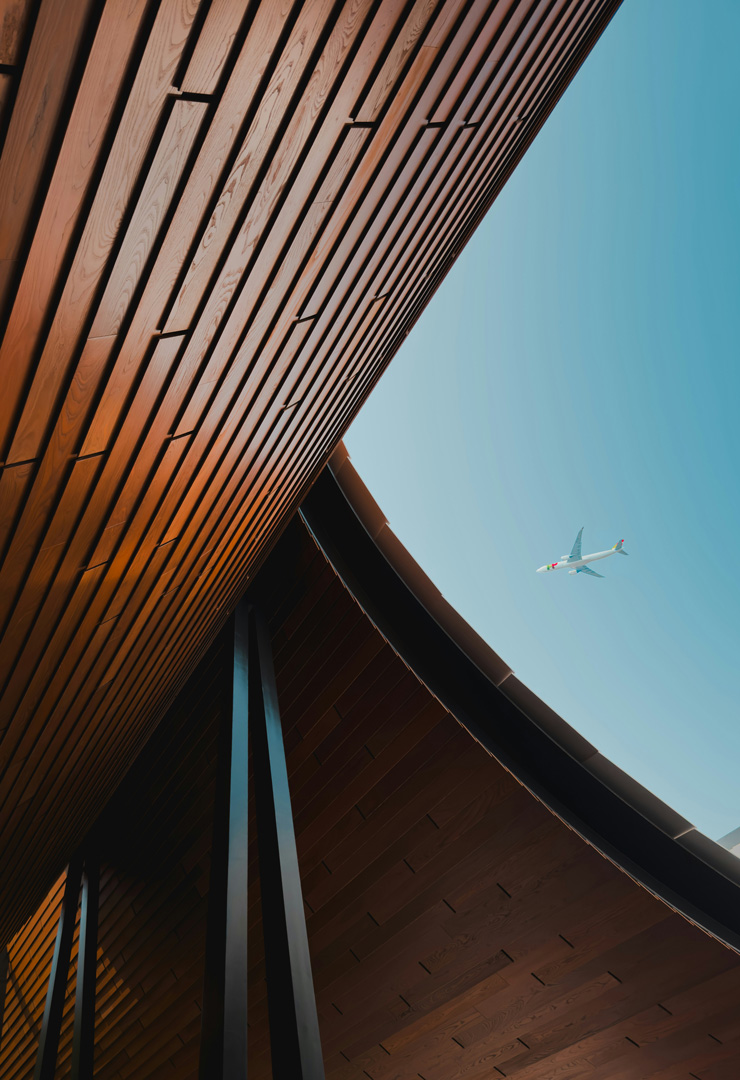
CAM, Gulbenkian ©Aleksandr Zaitsev
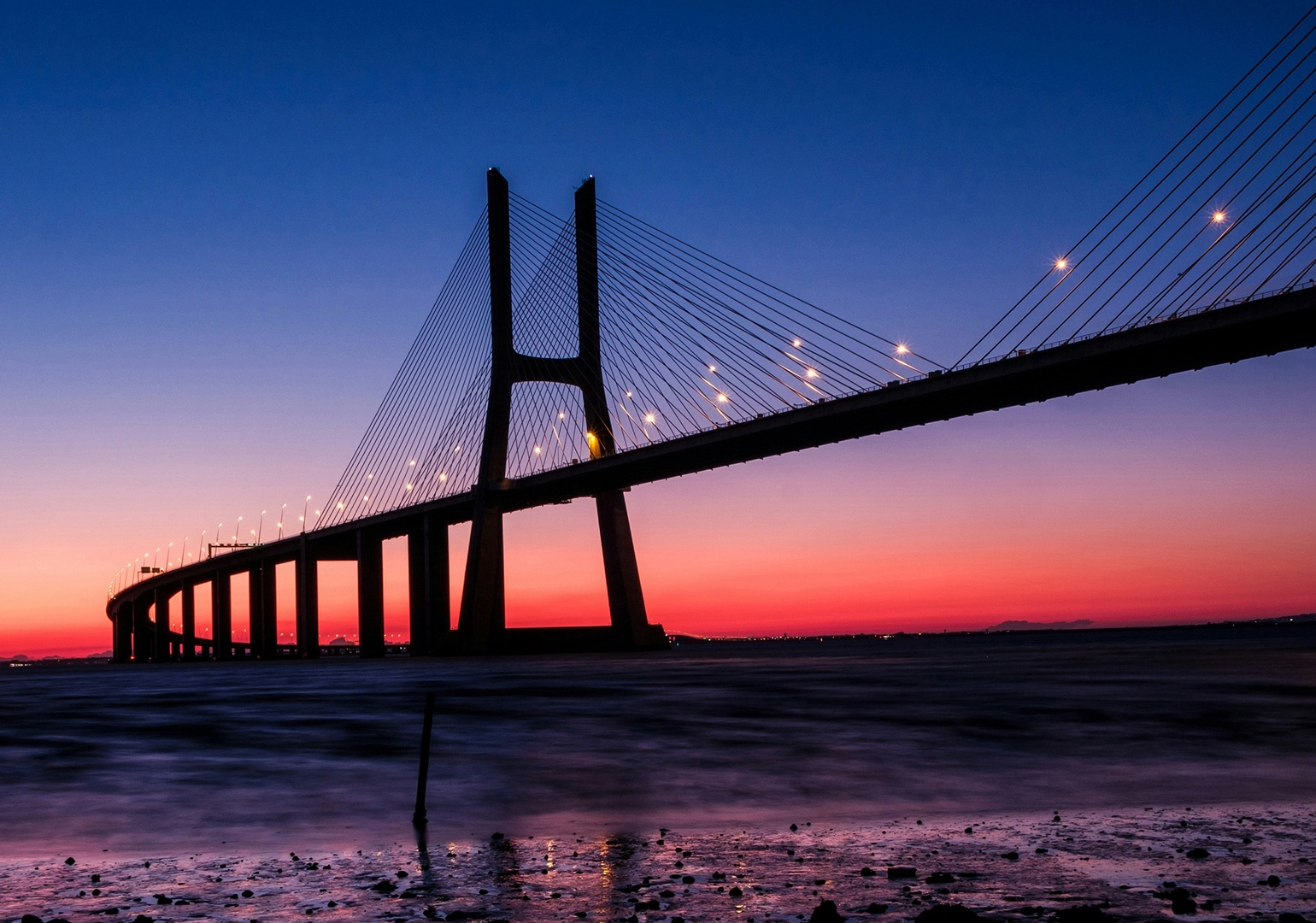
Vasco da Gama Bridge ©Eurico Craveiro
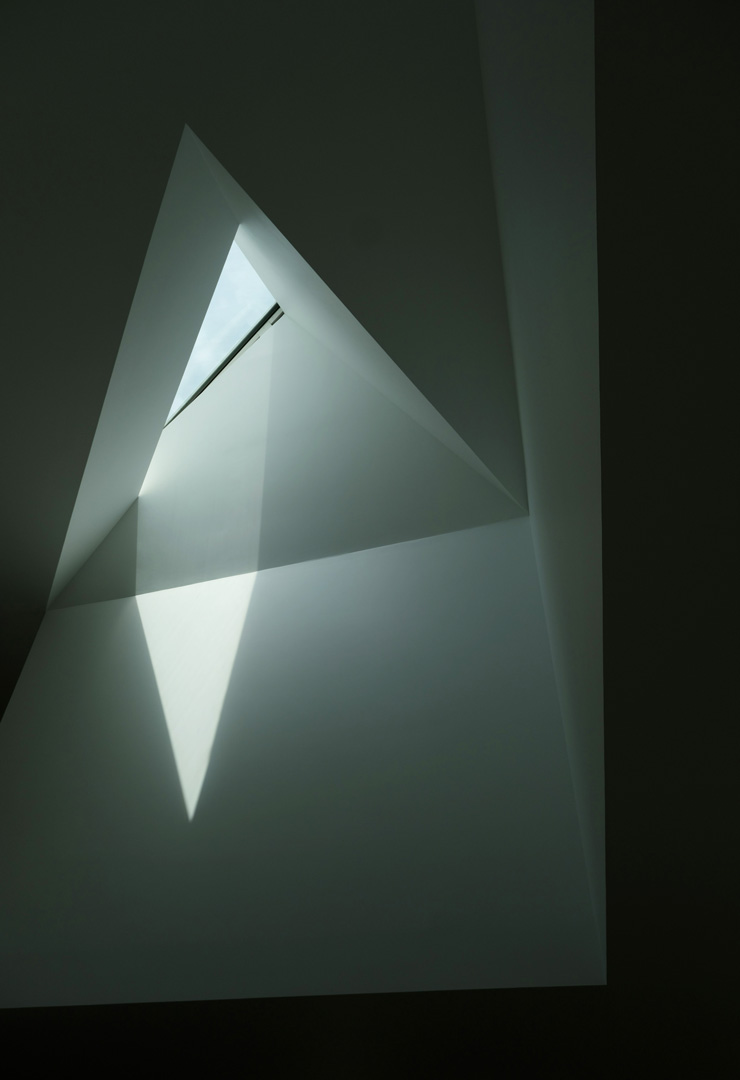
Lisbon Oceanarium ©Adrian Schledorn
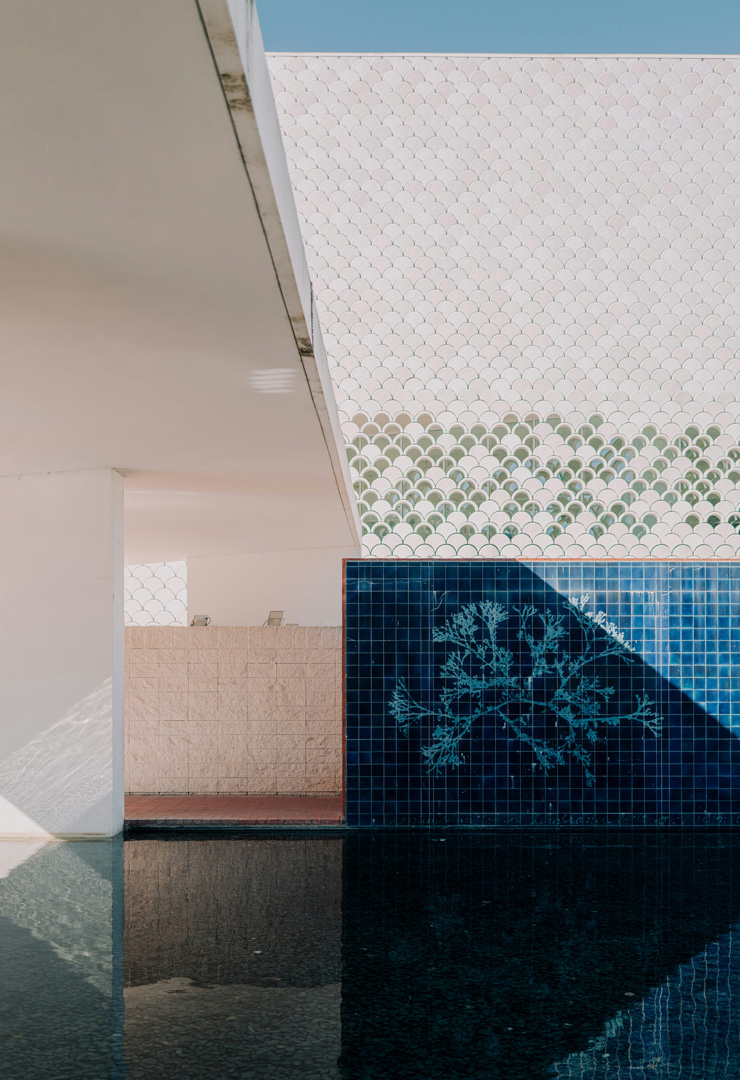
Water Gardens, Parque das Nações ©Aleksandr Zaitsev
A continuing gaze
Lisbon cannot be contained in a single image, nor reduced to a single reading. It is a city of overlapping times, where meaning often resides in detail.
Our thanks to the photographers who contributed to this essay, revealing a Lisbon that is less obvious, more intimate and deeply contemporary.
Because in Lisbon, it is often in the detail that architecture reveals itself and where the city truly happens.
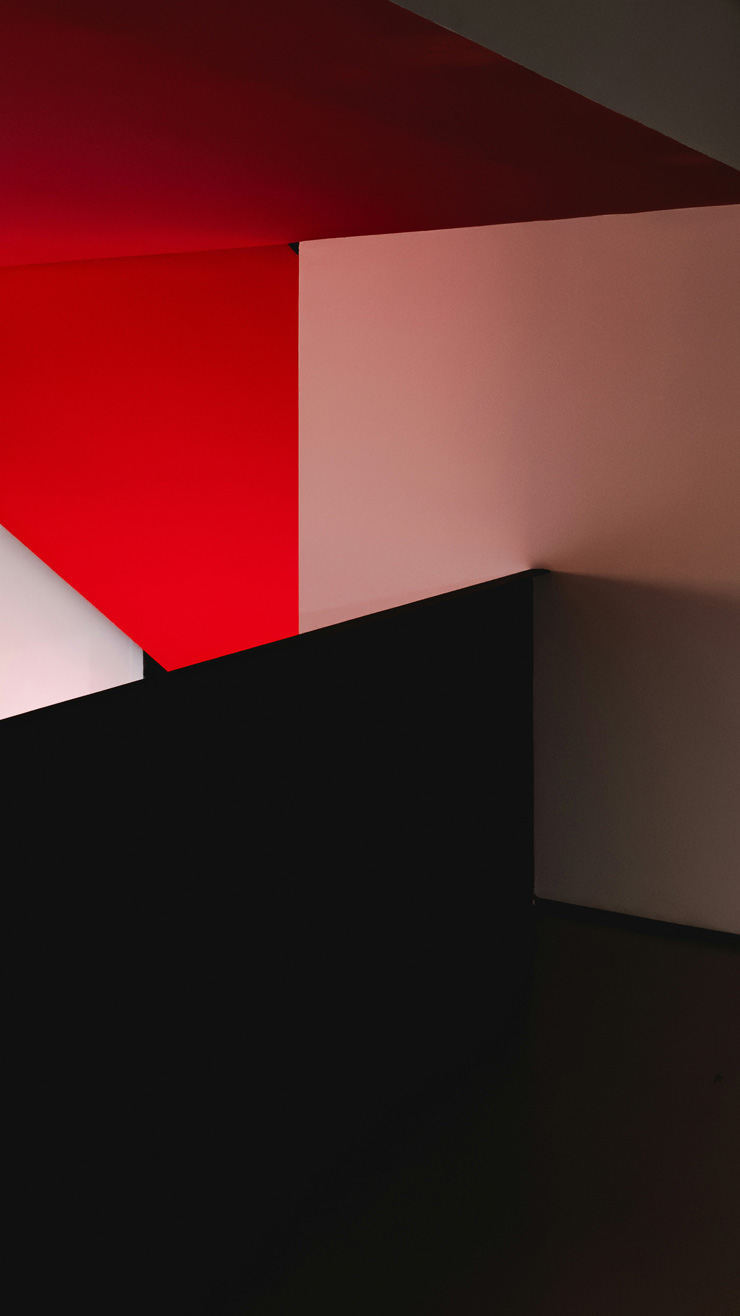
©Aleksandr Zaitsev
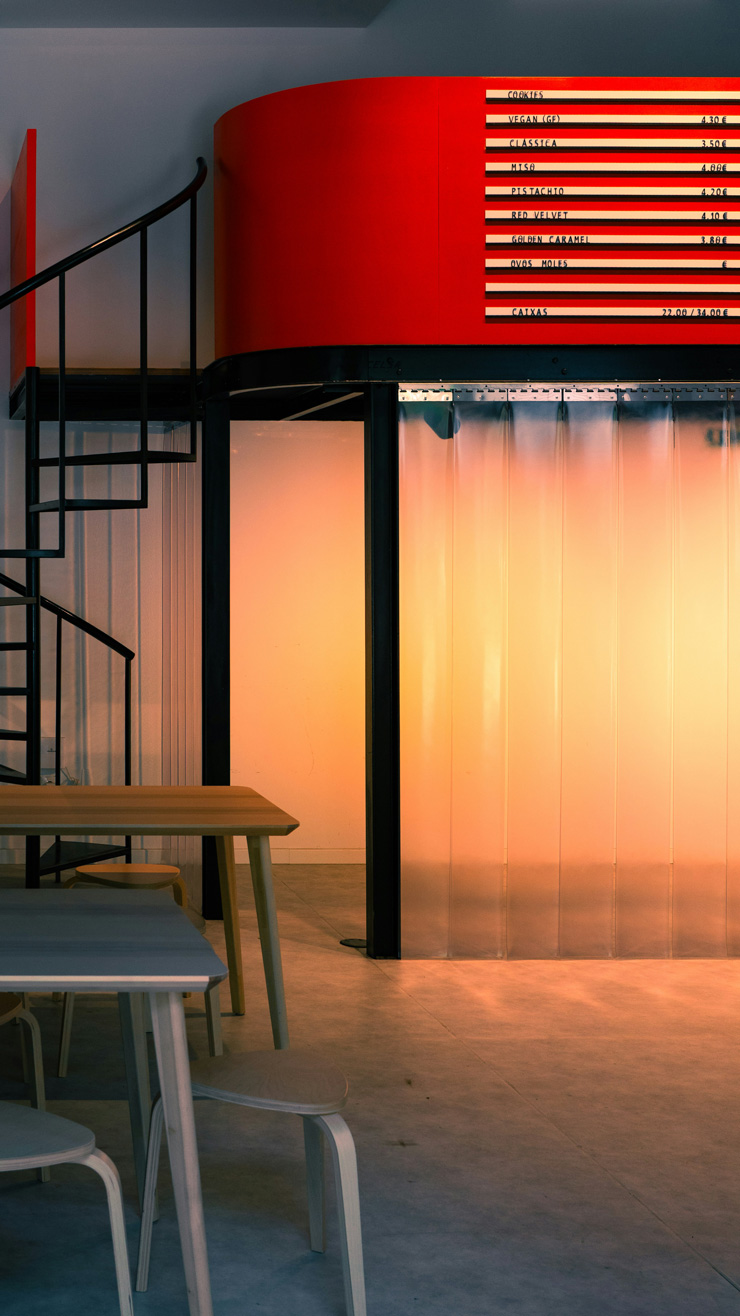
©Aleksandr Zaitsev
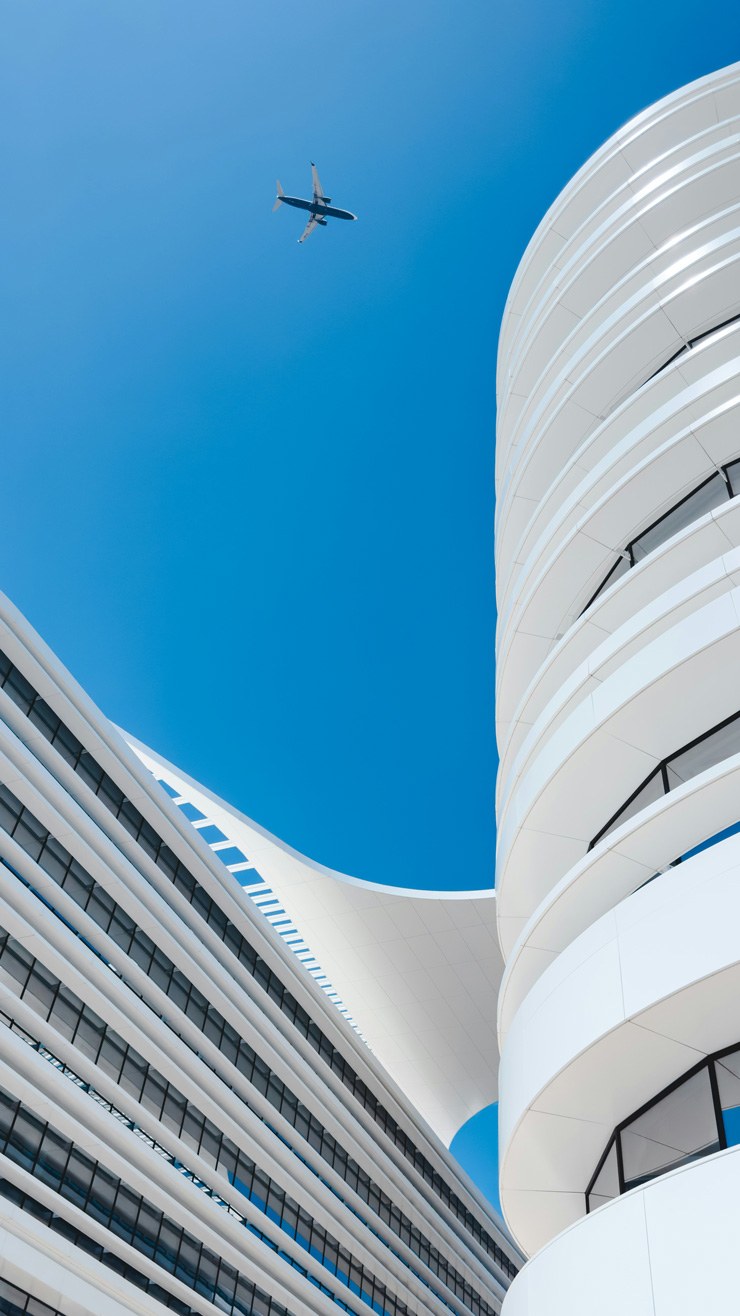
©Aleksandr Zaitsev