Lisbon at Night: The Shape of a Changing City
By Miguel Sur
This is a story of Lisbon at night, told over time. A personal account of how the city’s nightlife evolved, from the 1980s to today. Shaped by places, routines and the gradual changes that redefined them. It does not try to explain everything. It follows what changed, what remained, and what was quietly replaced along the way. For those who lived it, parts of it will feel familiar.
And so it was, decades ago, that Lisbon’s nightlife began to take on the form it has today.
Different worlds sharing the same space, without friction, without much intention.
When everything was still close
There was a time when everything began in Bairro Alto.
It was small, almost like a village. Fado houses next to printing shops, journalists extending their day into the night, artists and students moving between places without much distinction between evening and night.
In the 1980s, Lisbon found its own rhythm. Unplanned, unstructured, and somehow inevitable. Bairro Alto shifted from the margins to become a meeting point for intellectuals, artists, politicians and urban tribes who all shared the same space.
There were names, of course. Some became part of the city’s mythology. But what mattered more was the proximity. Different worlds sharing the same space, without friction, without much intention.
Places like Frágil, created by Manuel Reis, helped define that moment. Around it, other bars and restaurants formed a loose structure that held the night together. Dinner led to drinks, and from there the night unfolded on its own.
Nothing was particularly organised. It worked anyway.
Bairro Alto shifted from the margins to become a meeting point for intellectuals, artists, politicians and urban tribes who all shared the same space.
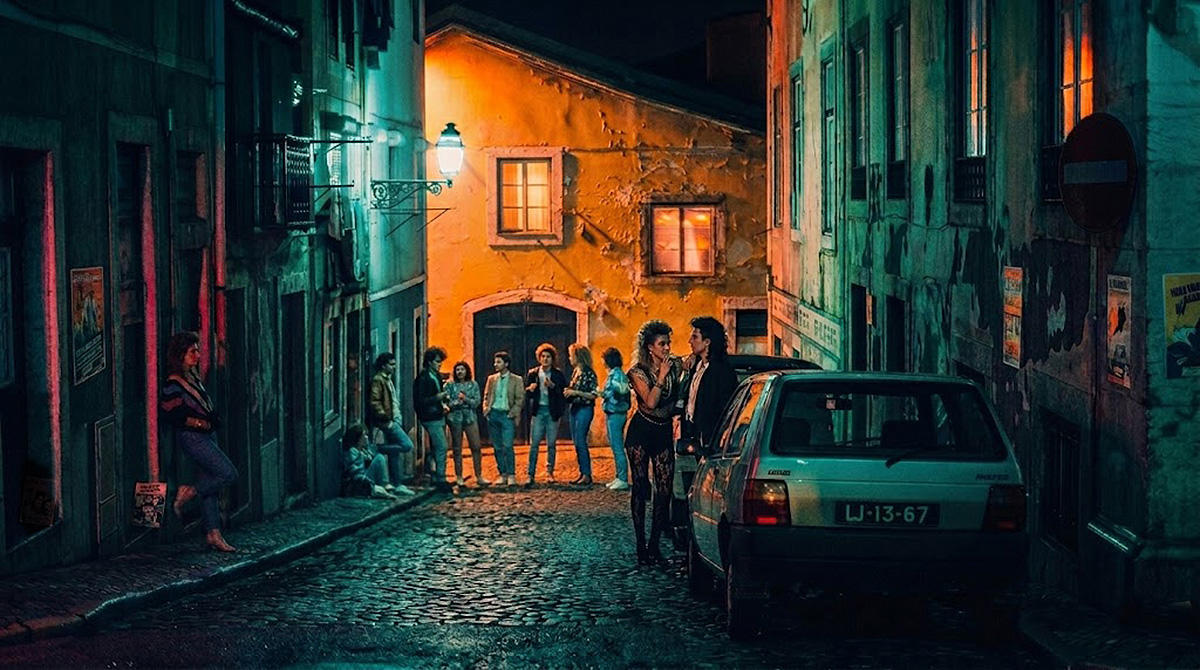
Bairro Alto in the 80s
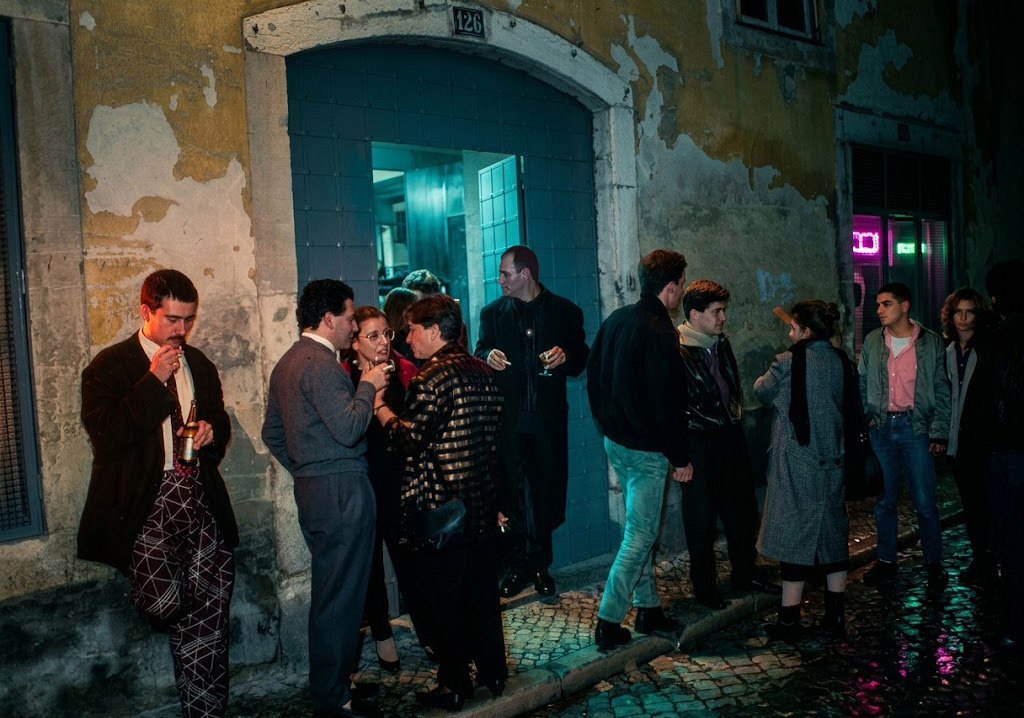
Frágil in the 80s
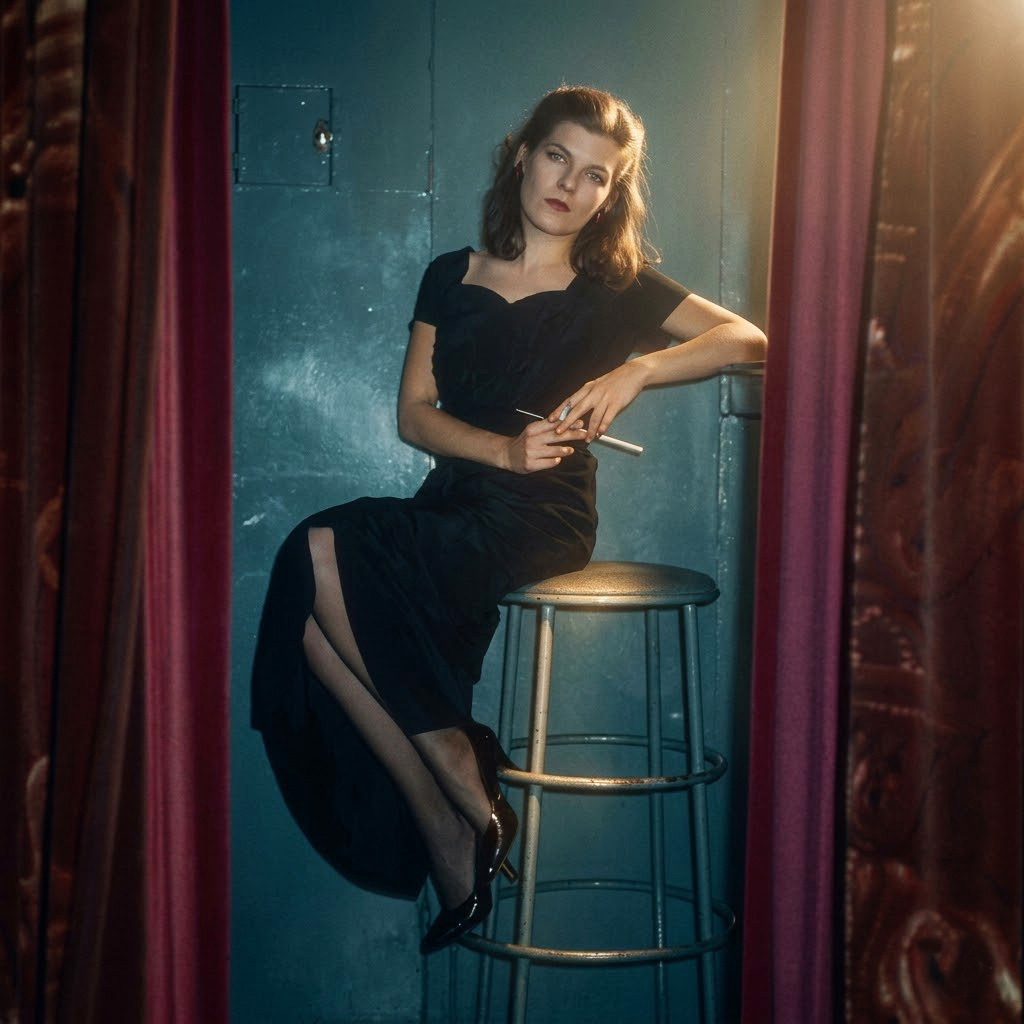
Ana Mar, goalkeeper at Frágil
Further down, Cais do Sodré was something else entirely. A district of sailors, excess and survival. Rua Nova do Carvalho, now rebranded as the Pink Street, was once the centre of Lisbon’s red-light district.
Then came Jamaica. A quiet but decisive shift. A bar where music replaced transaction. Sailors came first, then students, artists, and a certain Lisbon intellectual left. Gradually, dancing replaced negotiation. And everything changed.
Without noticing, the night had shifted its axis.
Cais do Sodré [...] a district of sailors, excess and survival.
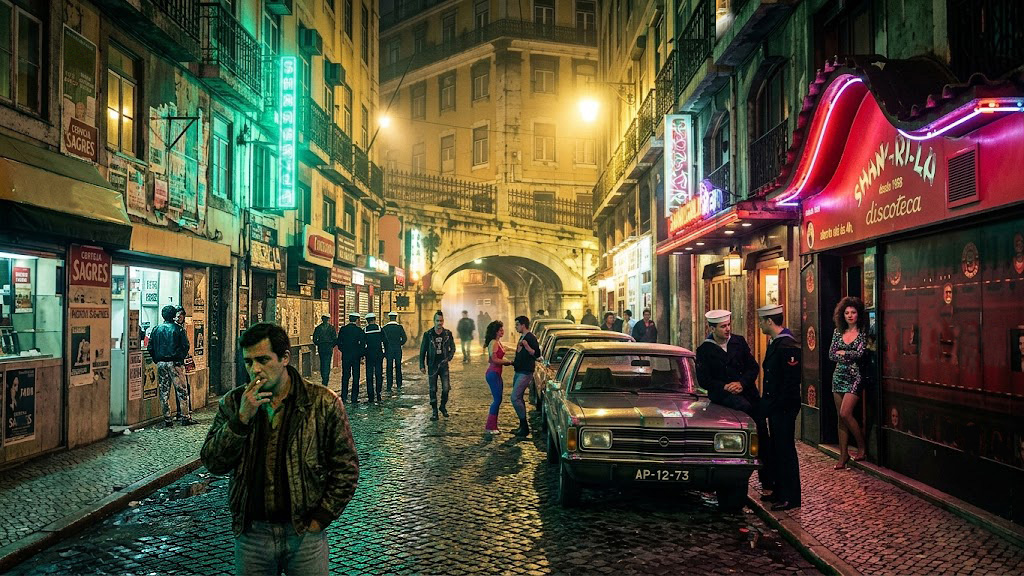
Cais do Sodré in the 80s
Nothing was mass-produced. There were no social media, no lists, no ‘must-visit places’. You’d park the car outside, go in, have a meal, and stay a while. It was simple. And it was ours.
When the city began to move
There was also Intendente, a place few ventured into, marked by drugs, prostitution, decay and a persistent sense of risk.
But this began to change in the 1990s. Gradual interventions and social programmes slowly altered the area. Over time, that transformation became visible. Intendente left behind its harsher past and opened to something new. A clear shift, and undeniably for the better.
Mouraria and Martim Moniz were among Lisbon’s first truly multicultural territories. Long before globalisation became a common word, languages, cultures and ways of living the city already intersected here.
It was another map, less visible, but deeply real. In small open-door restaurants and improvised kitchens, flavours from across the world emerged. Cape Verdean, Indian, Chinese, African. A Lisbon built outside the dominant narrative, yet for those who knew it, one of the most authentic.
Long before Lisbon became a global food destination, the world was already being served here.
And there was Alcântara, where Alcântara-Mar, by Pedro Luz, showed us, in the late 1980s, that Lisbon could be something else. More open, more international, closer to a world we had only known from afar.
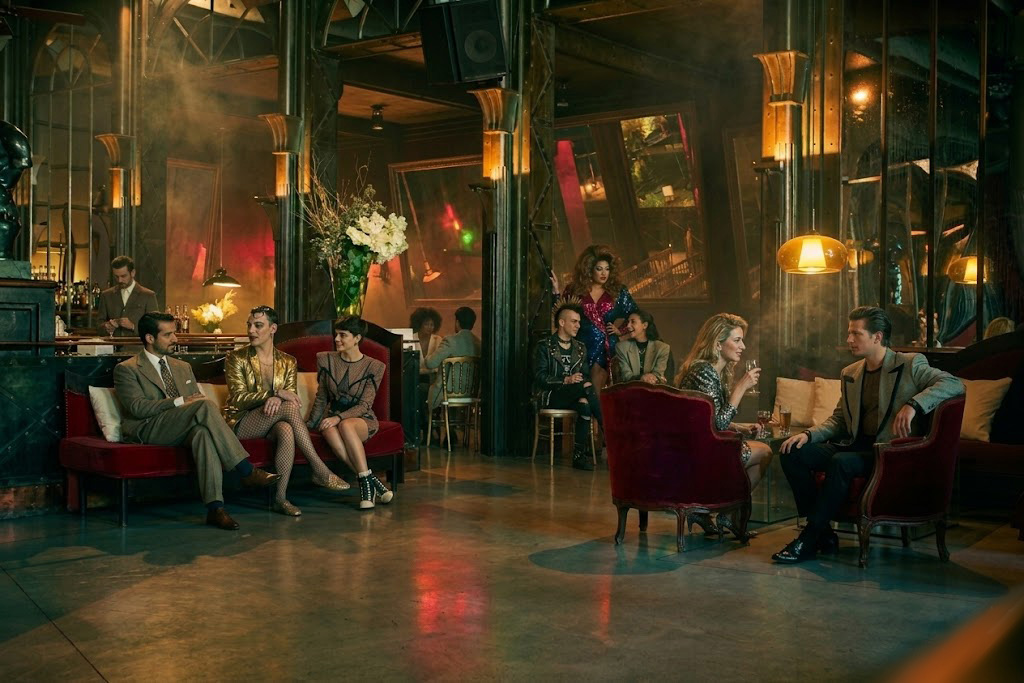
Alcântara Café
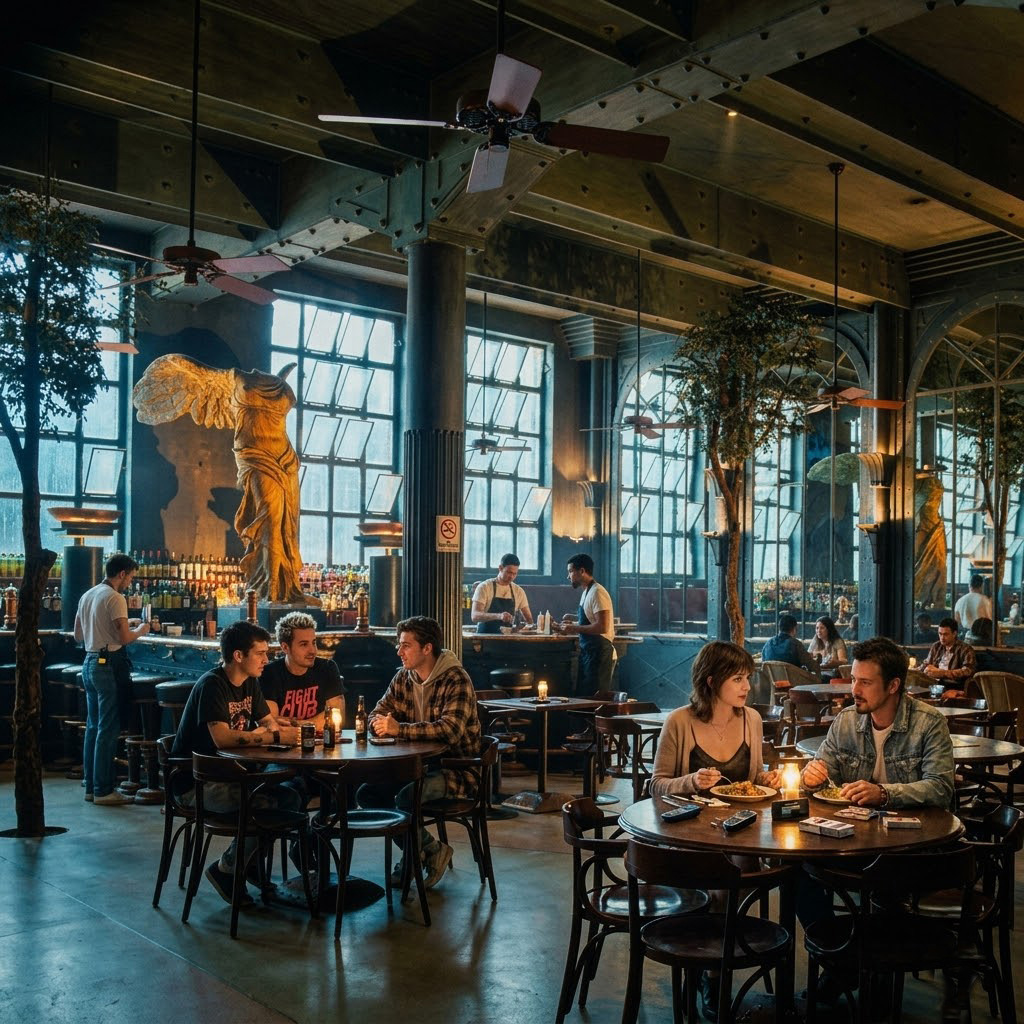
Alcântara Café
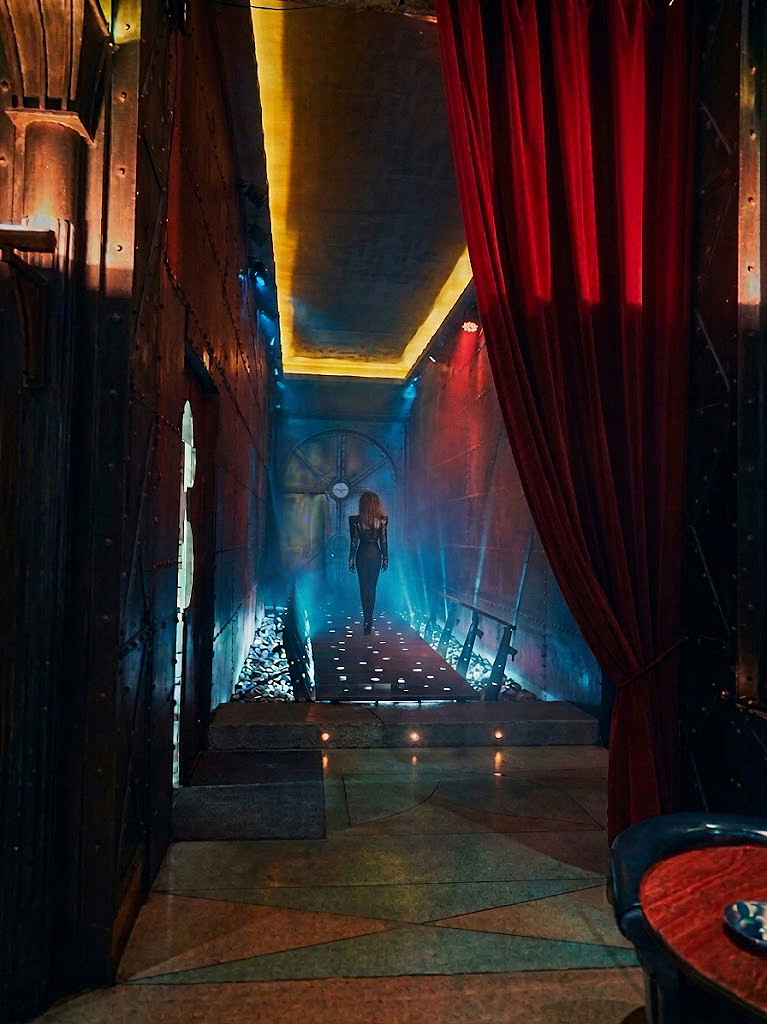
Alcântara Mar in the 90s
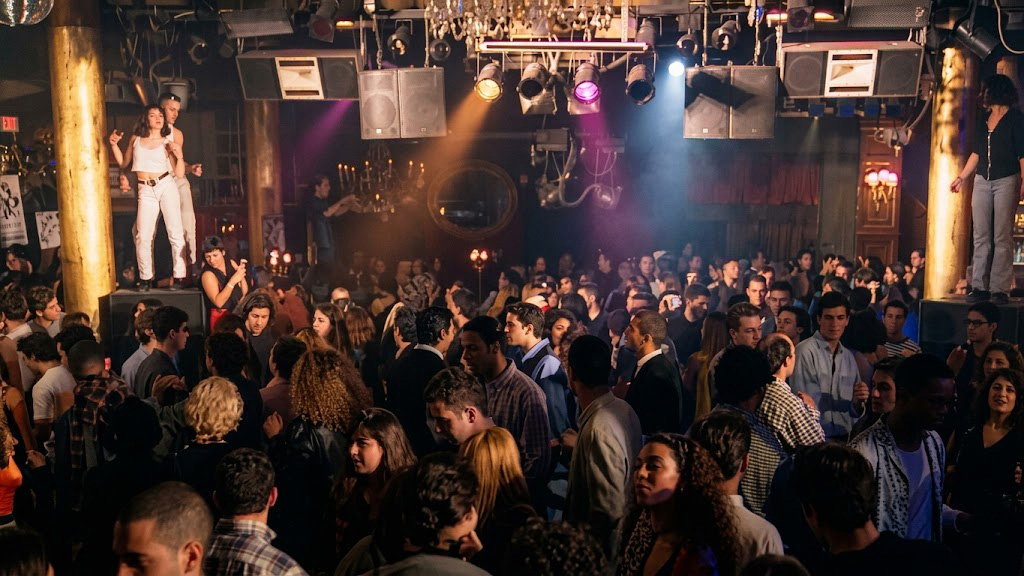
Alcântara Mar in the 90s
Then came 24 July, with its clearly defined scenes: the Kremlin, the realm of electronic music and long nights; the Plateau; and the Kapital, where the night followed a different code – more refined, more predictable.
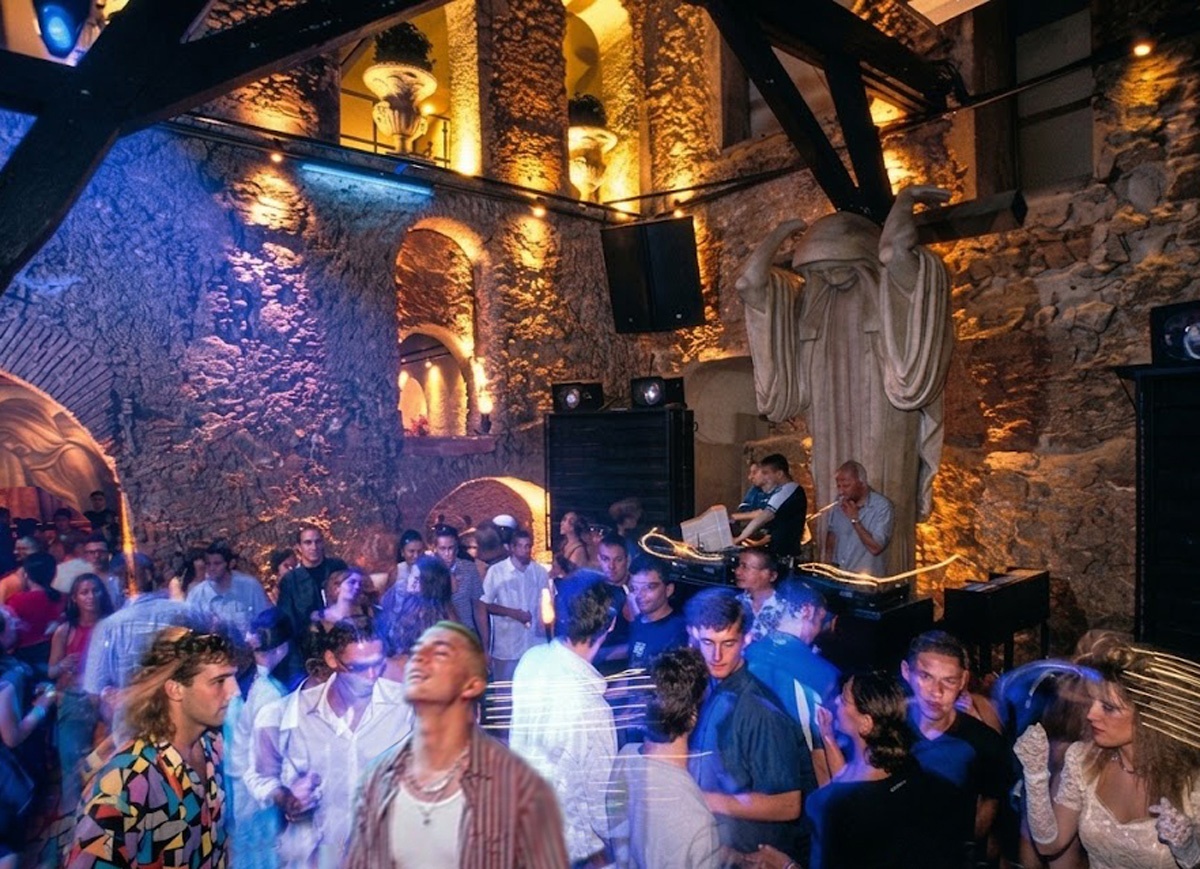
Kremlin in the 90s
But the real hub was still Bairro Alto.
We used to eat out almost every night. Not because it was fashionable, but out of habit. There were the regulars at Bota Alta and Pap’Açorda – back then the trendiest restaurant in town – and then there were the little bars. Always the little bars. Places where wine was brought to the table without much fuss and where, after just a few days, we stopped being customers and became part of the family, recognised by name.
There was one in particular: Mr Avelino’s Bar Alto. Small, almost invisible. Perhaps the best little bar ever. Only we knew about it.
Nothing was mass-market. There were no social media, no lists, no ‘must-visit places’. You’d park the car outside, go in, eat, and stay a while. It was simple. And it was ours.
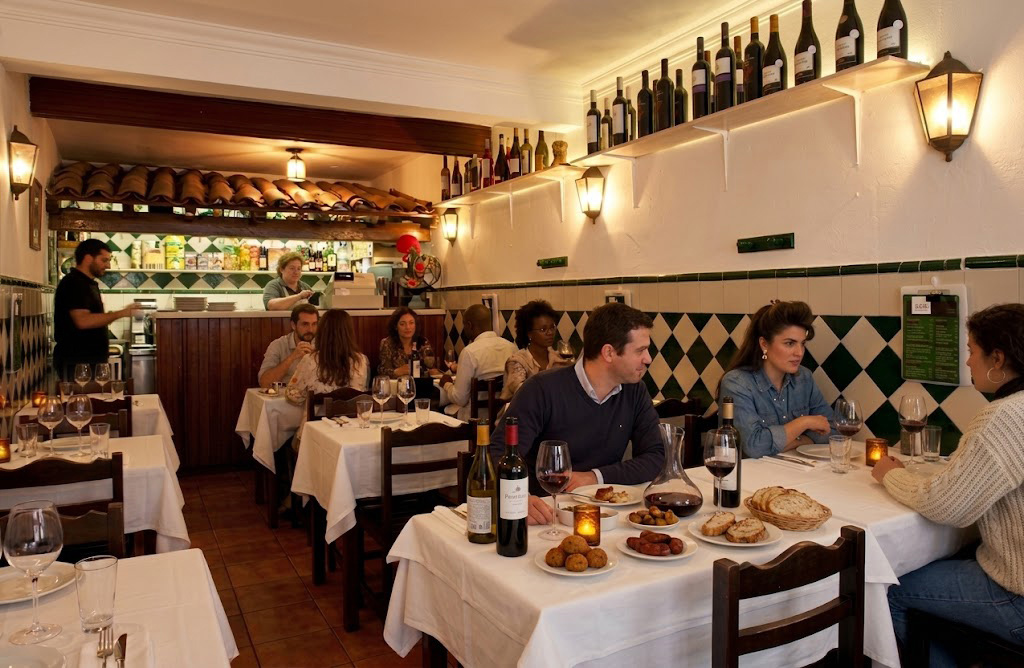
Alto Restaurant and Bar
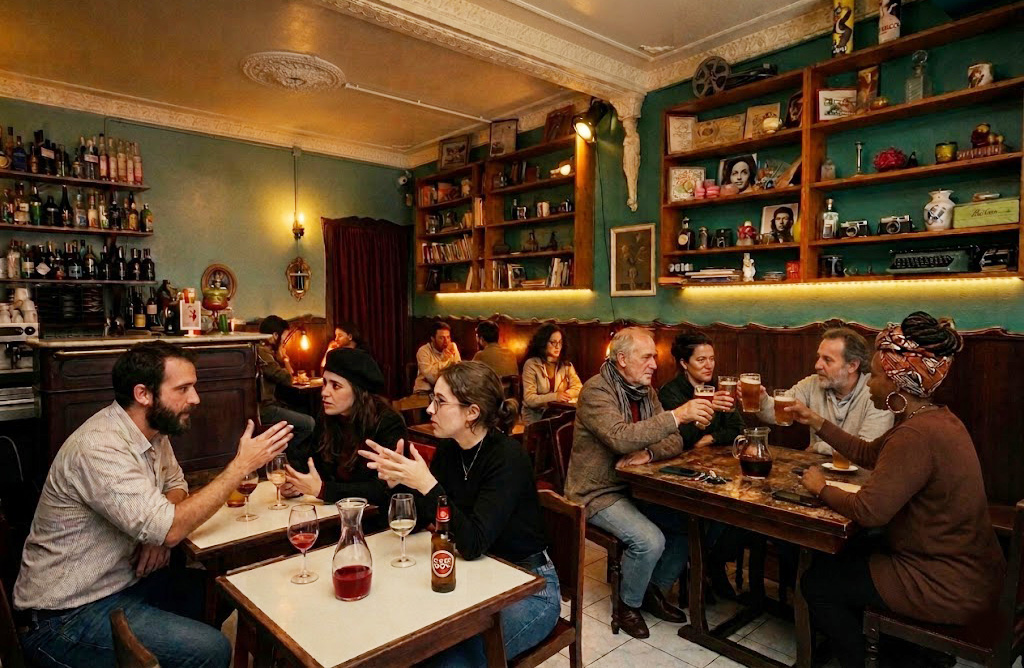
Botequim, Graça
Then the city began to grow beyond itself.
Descending the city
Later, we began to move downwards.
Bica became a meeting point. Bicaense, run by Mikas. Drinks after dinner, conversations stretching deep into the night.
But before that, everything almost always began the same way. On Thursdays, we had dinner at Alfaia. It was the best night to go out, calmer, more bohemian, the natural starting point before descending into the city.
Hilário, the owner, would welcome us to the table himself, as he always did, and still does, with a quiet attention that made us return. It was a place where service was not just professional, but personal.
Then the city began to grow beyond itself.
Frágil moved to Santa Apolónia and became Lux Frágil. The legendary doorman Miguel helped define it. Next door, Bica do Sapato. Industrial warehouses by the river turned into new temples of nightlife.
At some point, Bairro Alto was no longer enough.
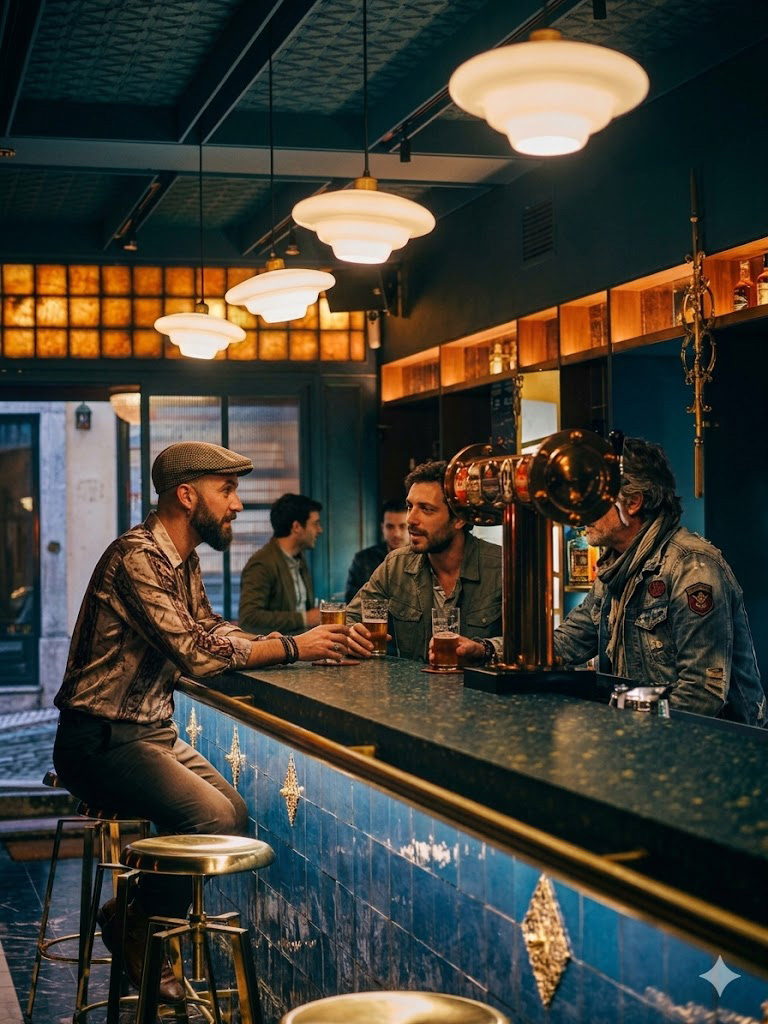
Bicaense
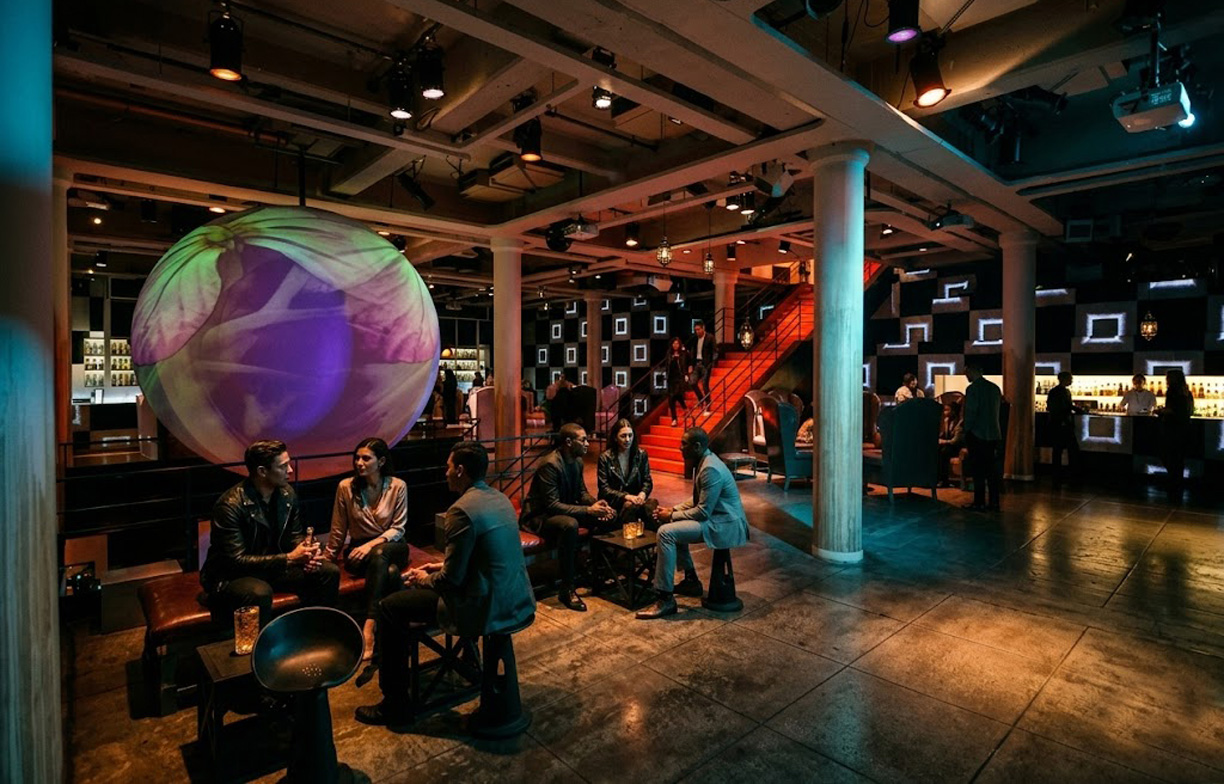
Lux Frágil
Year after year, Lisbon became one of the world’s most sought-after cities.
The city expands and transforms
The traditional neighbourhoods – Alfama, Sé, Graça and Castelo – remained closed off within themselves. There was a strong neighbourhood spirit there, almost a village-like atmosphere, where life revolved around neighbours, fado, daily routines and a sense of belonging that is difficult to replicate.
We would go there as if entering a territory with its own set of rules, and we were always made to feel very welcome. We knew that place wasn’t ours, and perhaps that was why we respected it all the more. The true ‘owners’ were those who had been born there, those who knew every street, every face, every story.
Meanwhile, Cais do Sodré was being reborn. The unlikely mix of the old hostess bars and a new bohemian generation created a fresh energy. The Intendente and Mouraria districts began to be cleaned up. The city was expanding towards the riverfront.
And then came tourism.
Year after year, Lisbon became one of the world’s most sought-after cities. First to visit, then to stay. Gentrification did not arrive suddenly; it took hold slowly, almost elegantly.
As the city became more sought-after, new interests, new values and new scales emerged. Many pragmatically accepted the prices that had, in the meantime, begun to emerge for their homes, swapping their neighbourhood for other, more outlying areas.
And, without much fuss, the invisible fabric of these neighbourhoods gradually transformed.
The Lisbon where neighbourhoods were like villages no longer exists.
And we have ceased to recognise some places as our own.
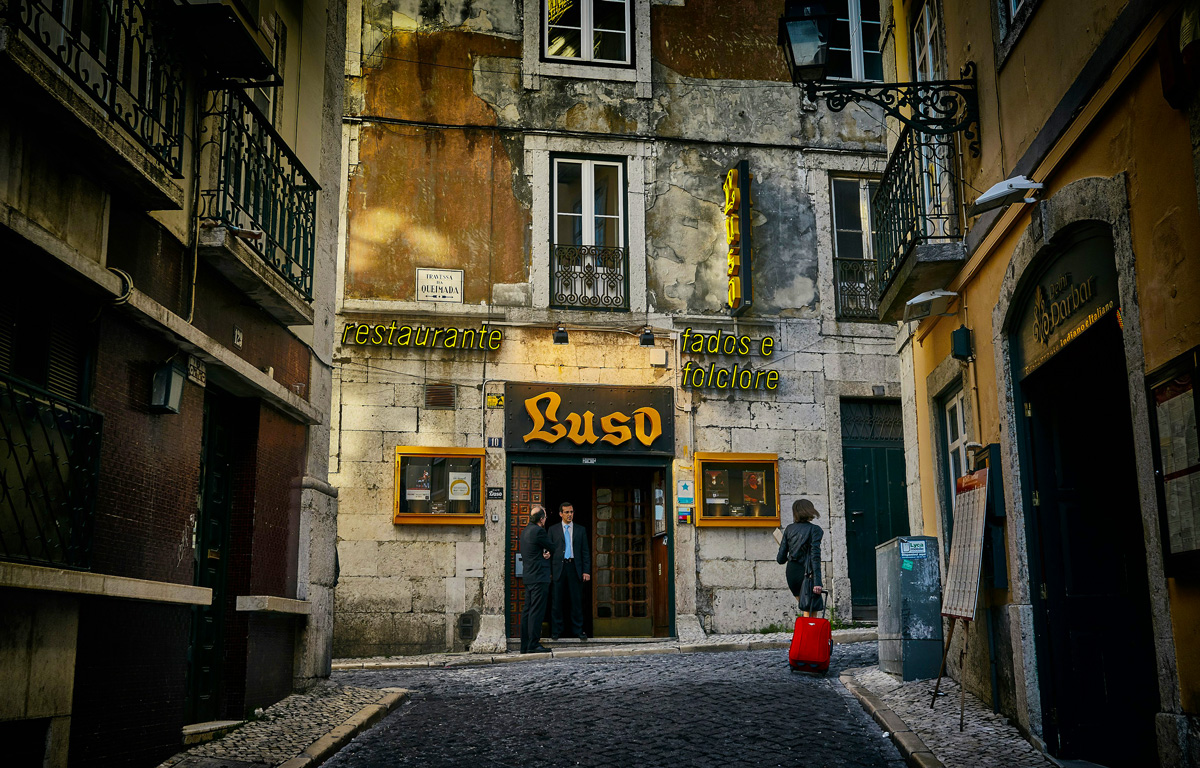
Bairro Alto ©Vidar Nordli
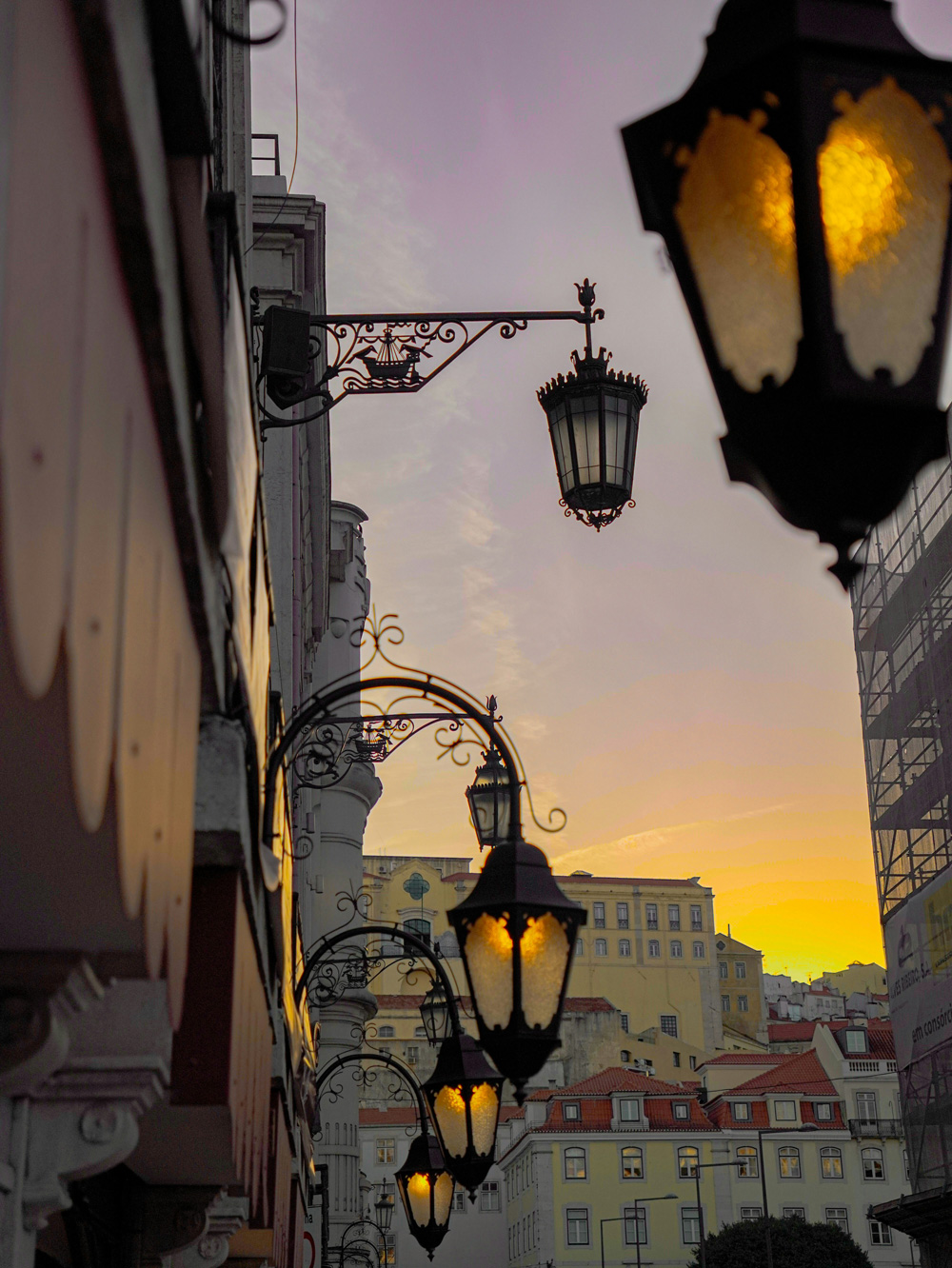
©Zubayer Pranto
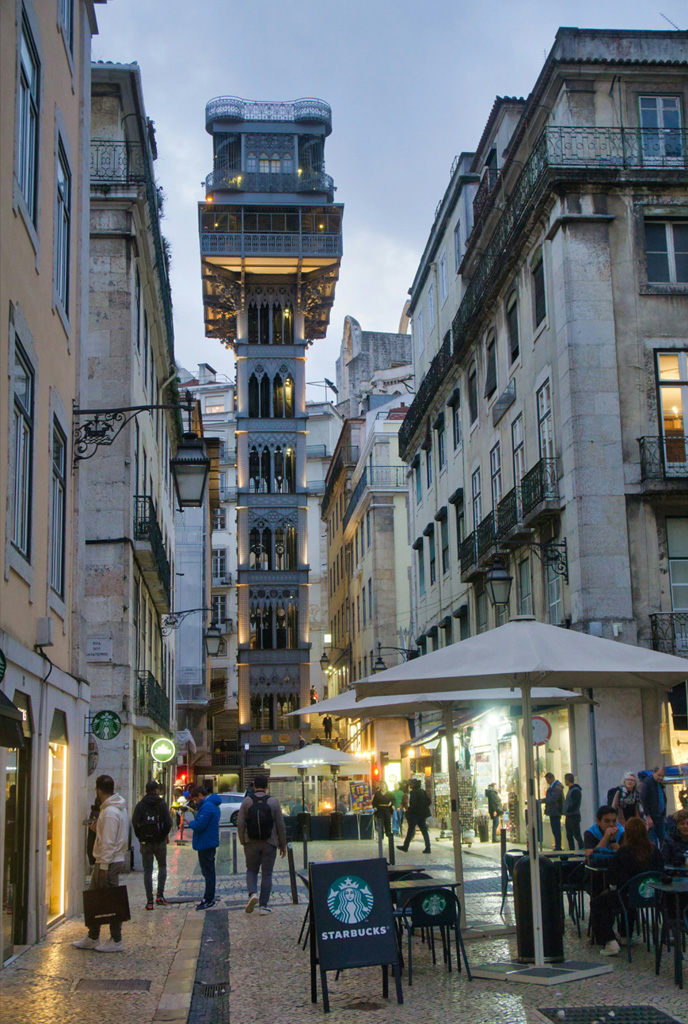
Santa Justa Lift ©Vladan Raznatovic
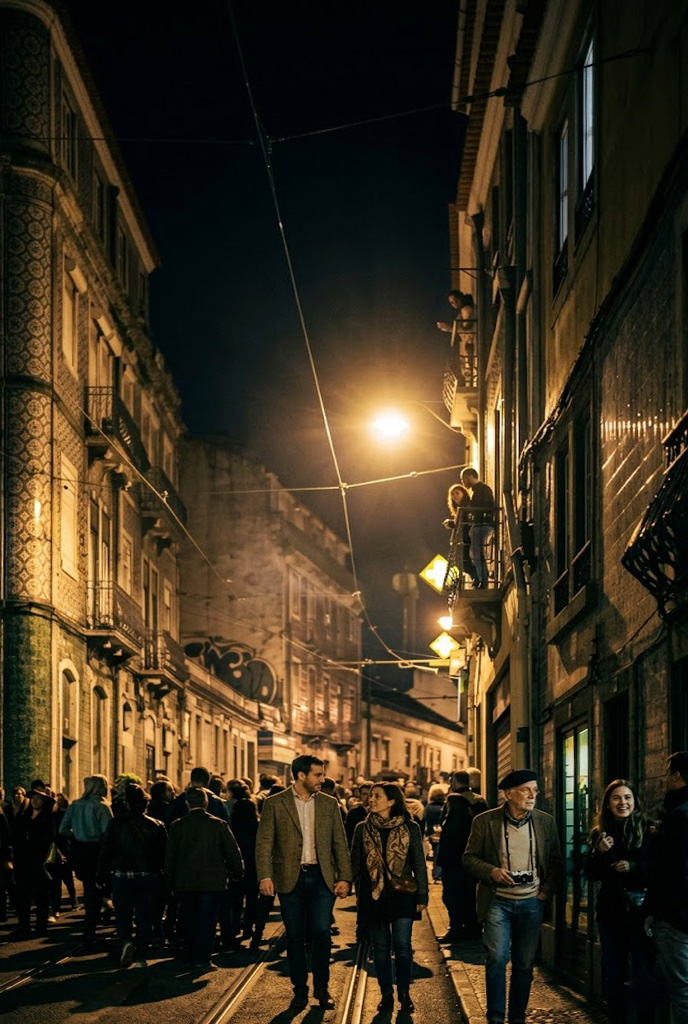
Graça
What once required travel can now be found here.
The city opens to the world
For years, we kept this secret. A city where Portuguese food was simply very good. Local produce, fresh fish, generous plates of comfort food, cooked by local chefs in small, family-run Tascas. Going out was cheap, in a way that made it part of everyday life. Dinner, drinks, the night itself, everything was within reach. No need for reservations. A neighbourhood spirit, popular and authentic, that remained intact for years.
Then came social media. And the secret was no longer ours.
Today, Lisbon is cosmopolitan, diverse, vibrant. What once required travel can now be found here.
Restaurants stopped being part of daily life. They became something else.
From Rocco to JNcQUOI, from Café no Parque to the wider city, a new geography of desire has emerged. Lisbon gained Michelin stars and international recognition. It lost some of its spontaneity, perhaps, but gained the world.
And with it, the world arrived.
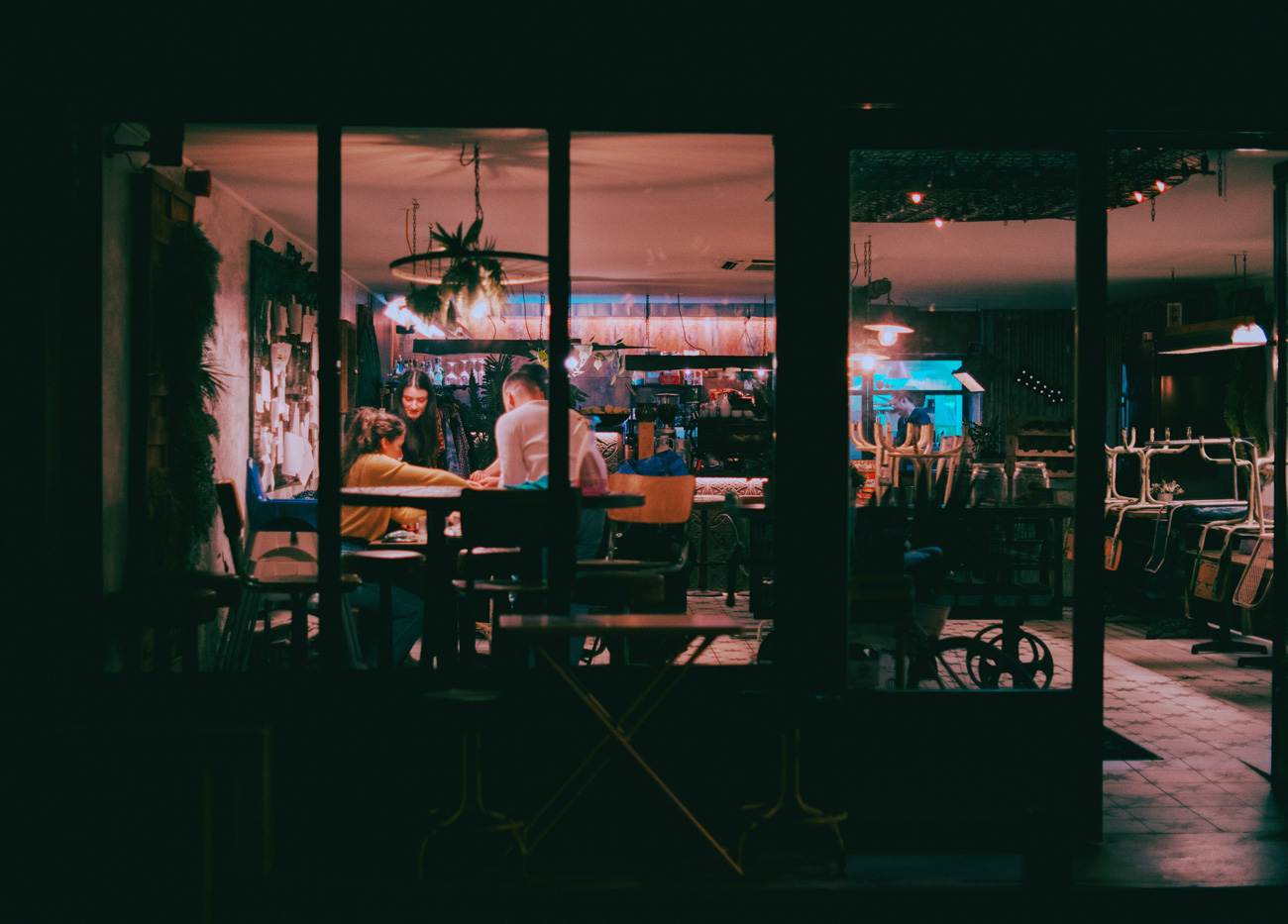
Bodega, Lisbon
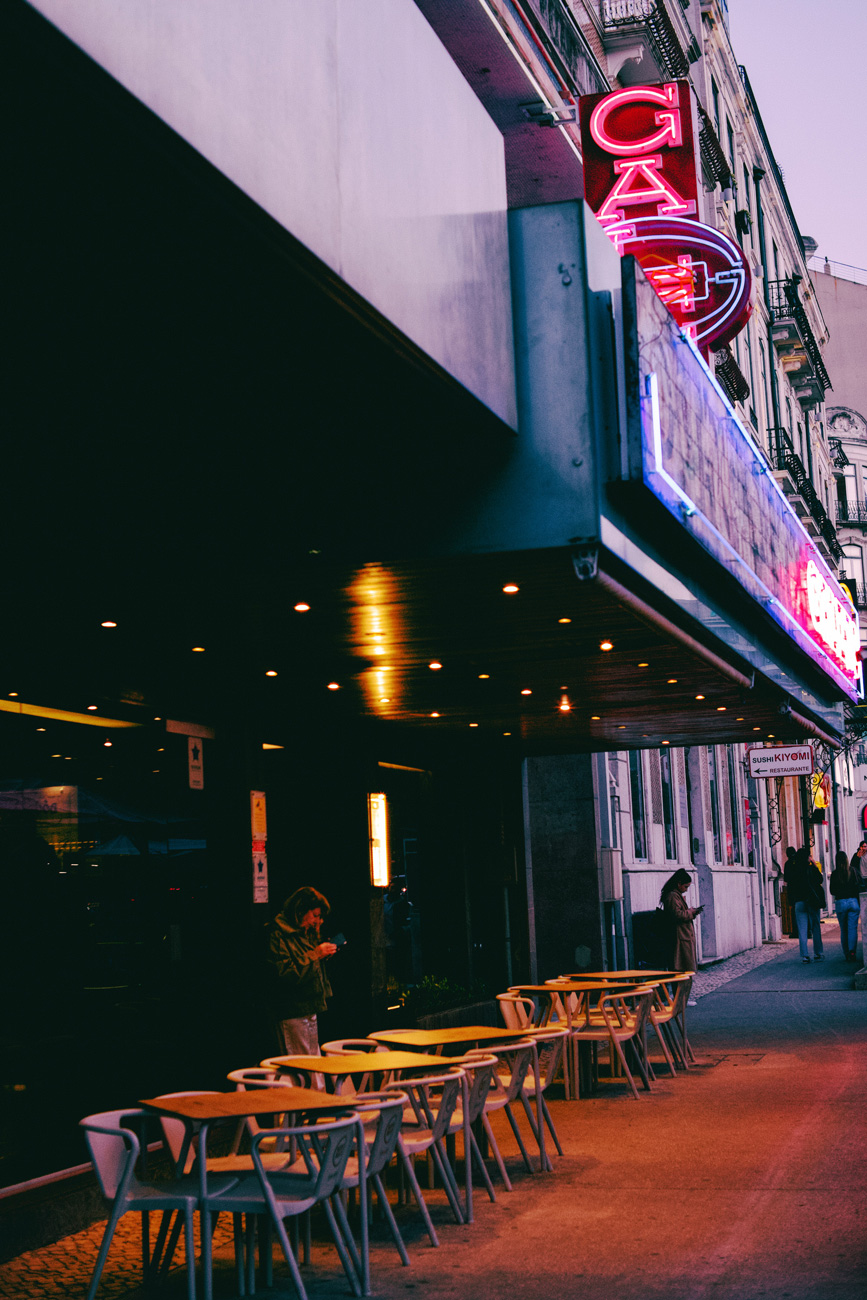
Bodega Galeto
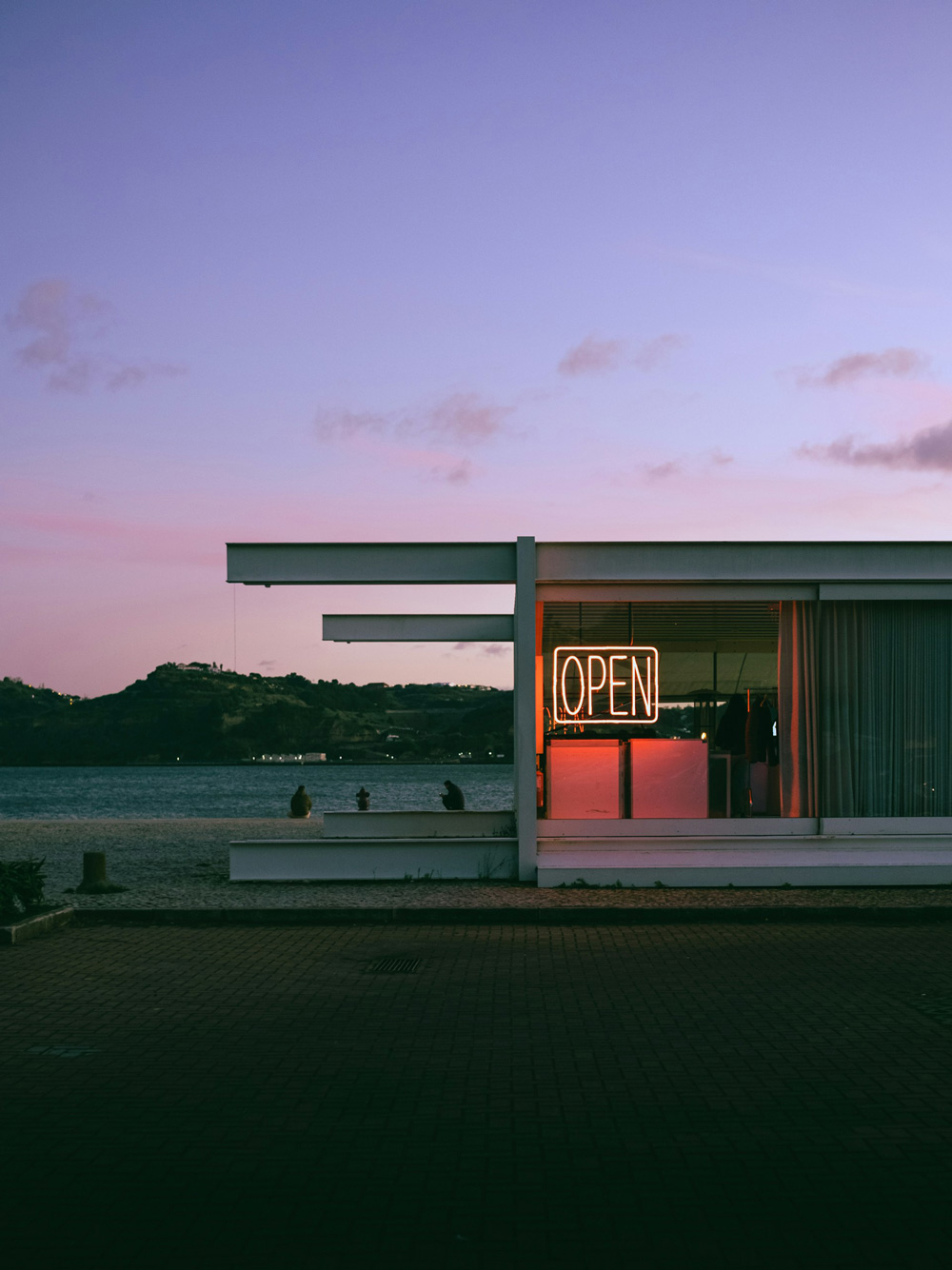
©Nuno Antunes
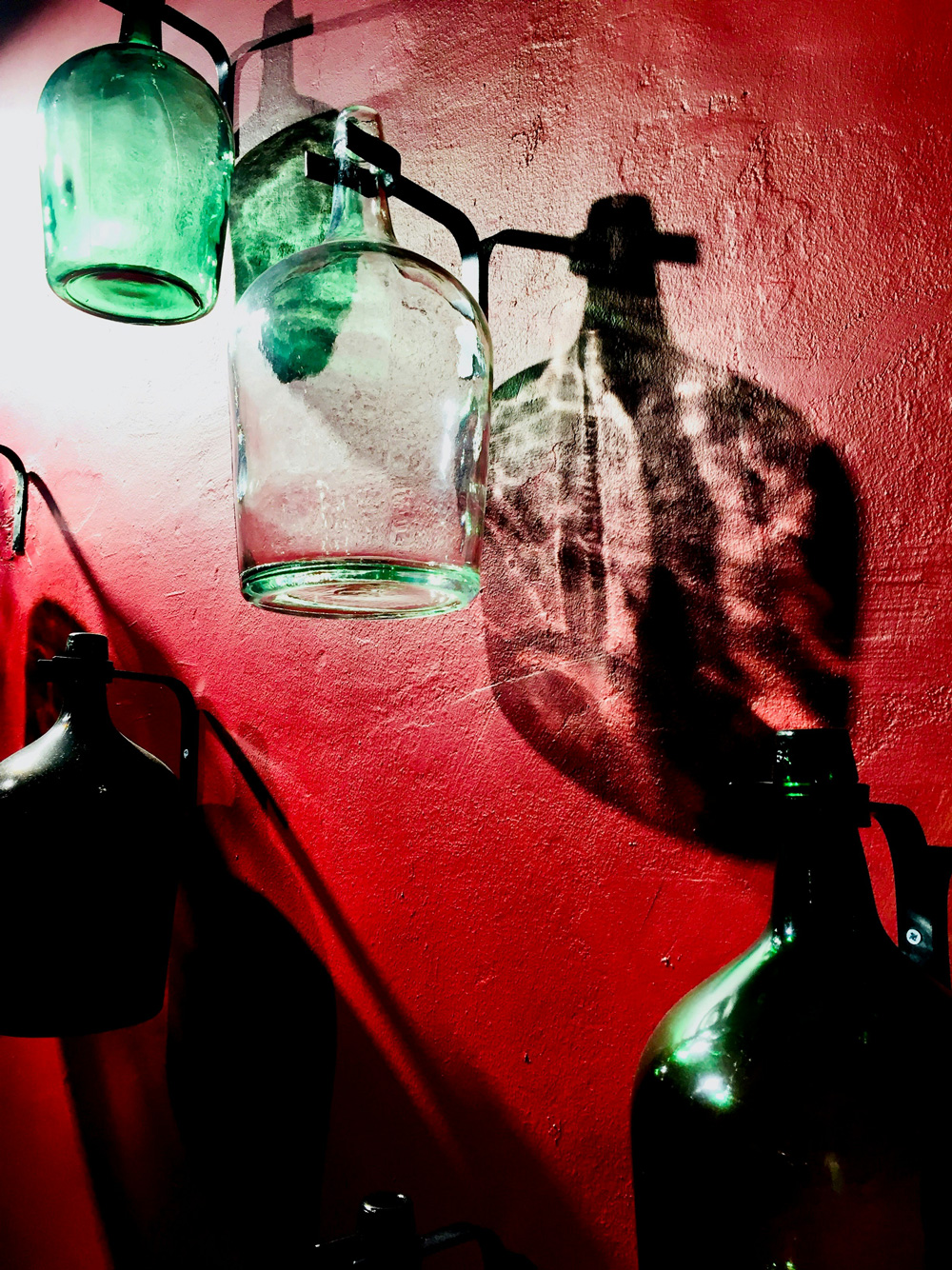
©Steve Mullins
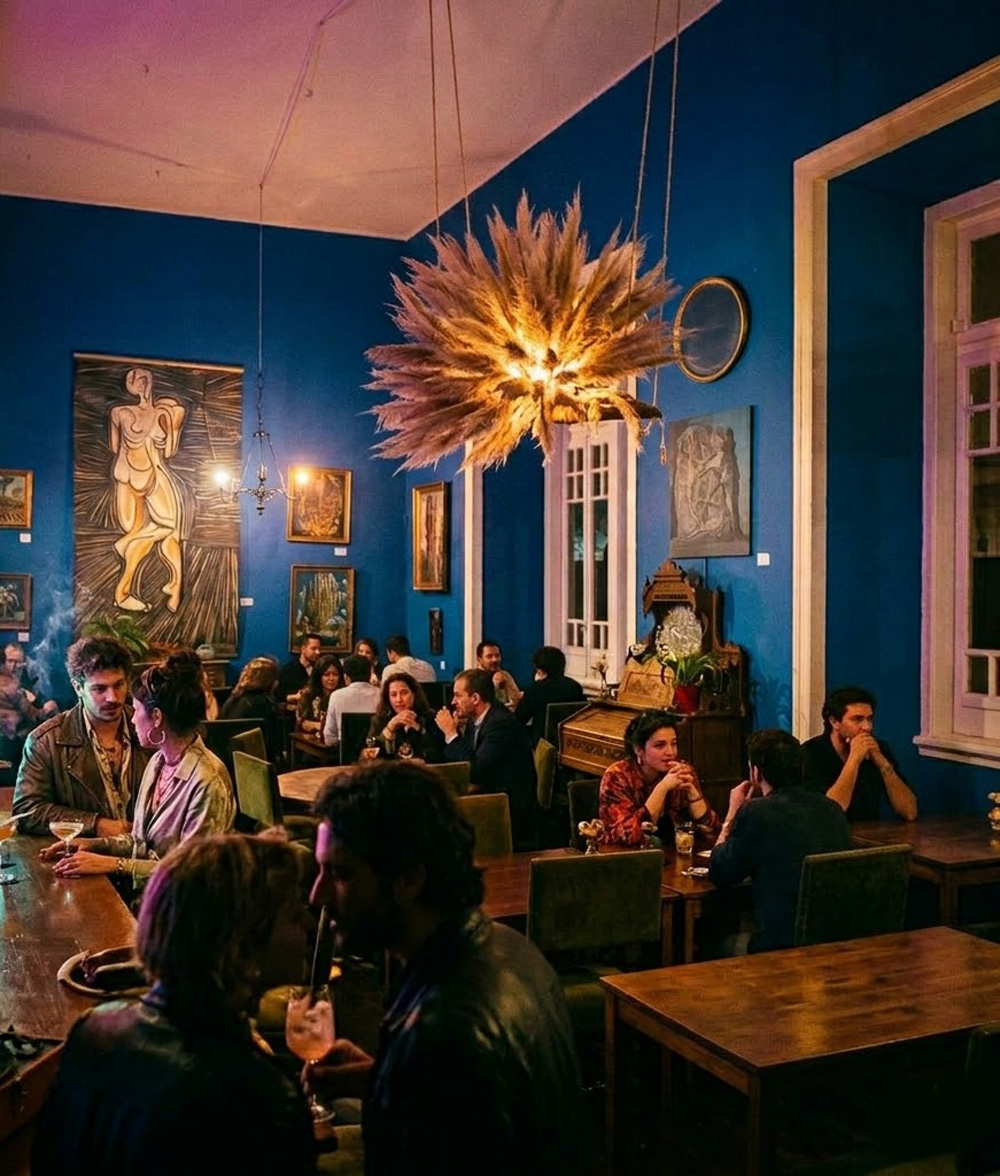
Fábrica Braço de Prata, Marvila
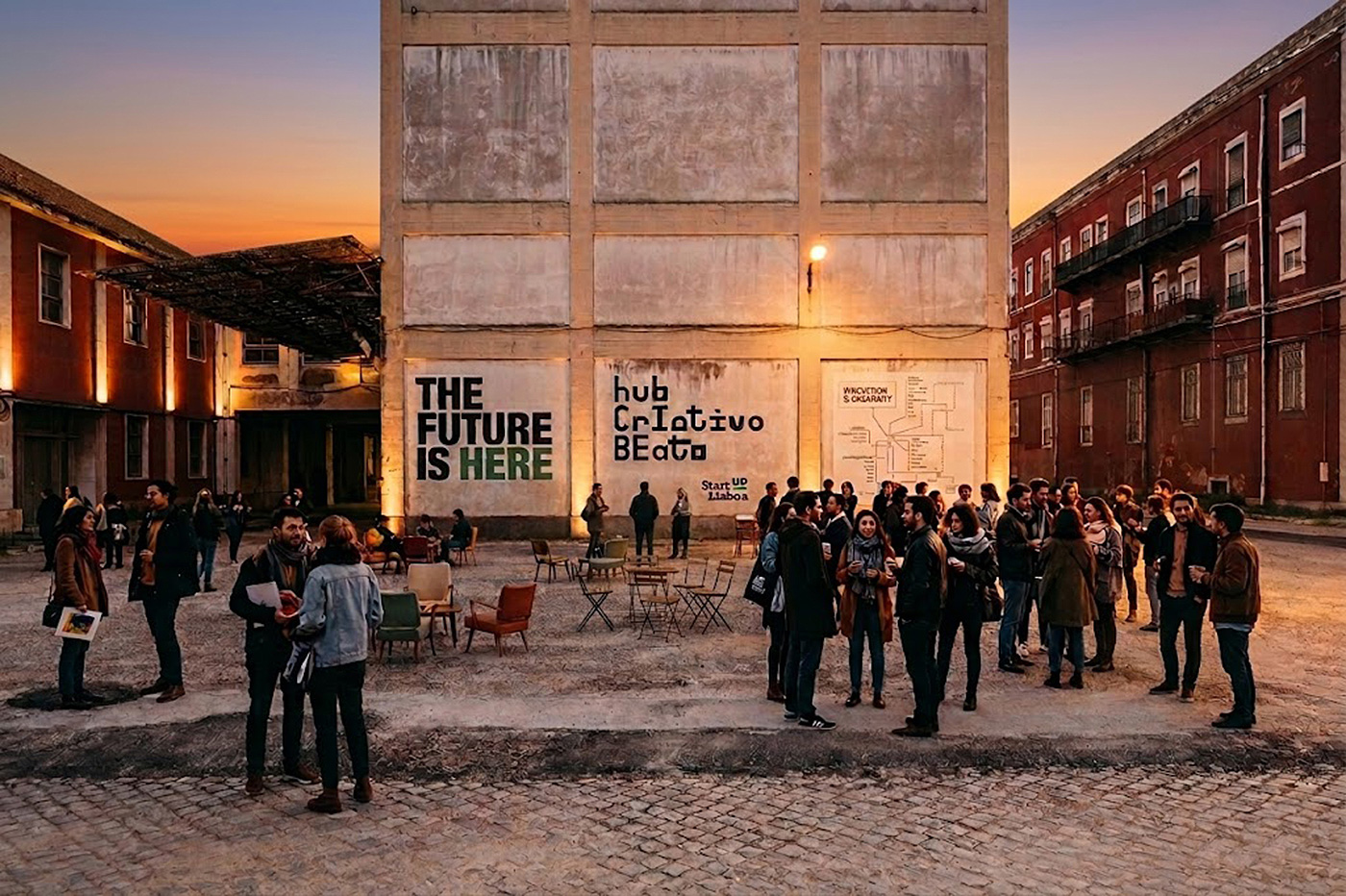
Beato Creative Hub
The city stopped being local in the way it once was. It became part of a wider network.
The next wave
Lisbon never really stopped. It just kept moving.
First quietly. Alvalade, Anjos, Arroios. Neighbourhoods that absorbed a new energy without losing entirely what they already were. Places where you could still feel some of that everyday rhythm, a certain balance between old and new.
Then the city stretched further.
Marvila, Xabregas, Beato. Former industrial areas that had been waiting for years, almost suspended, until something gave them a new purpose.
LX Factory, in Alcântara, was an early sign. Not the same geography, but the same idea, taking what was left behind and giving it another life. Then came Fábrica Braço de Prata, Underdogs, 8 Marvila. Larger spaces, more open, less contained.
Here, the city gained scale again.
A different kind of night. Less about streets and more about destinations. Less accidental, more intentional. Still creative, but operating in a different way.
People arrived from everywhere. Not just visitors, but residents, artists, founders, people building something. The city stopped being local in the way it once was. It became part of a wider network.
And with that, something shifted.
The idea of belonging was no longer tied to a neighbourhood, or to a bar where everyone knew your name. It became something you had to look for.
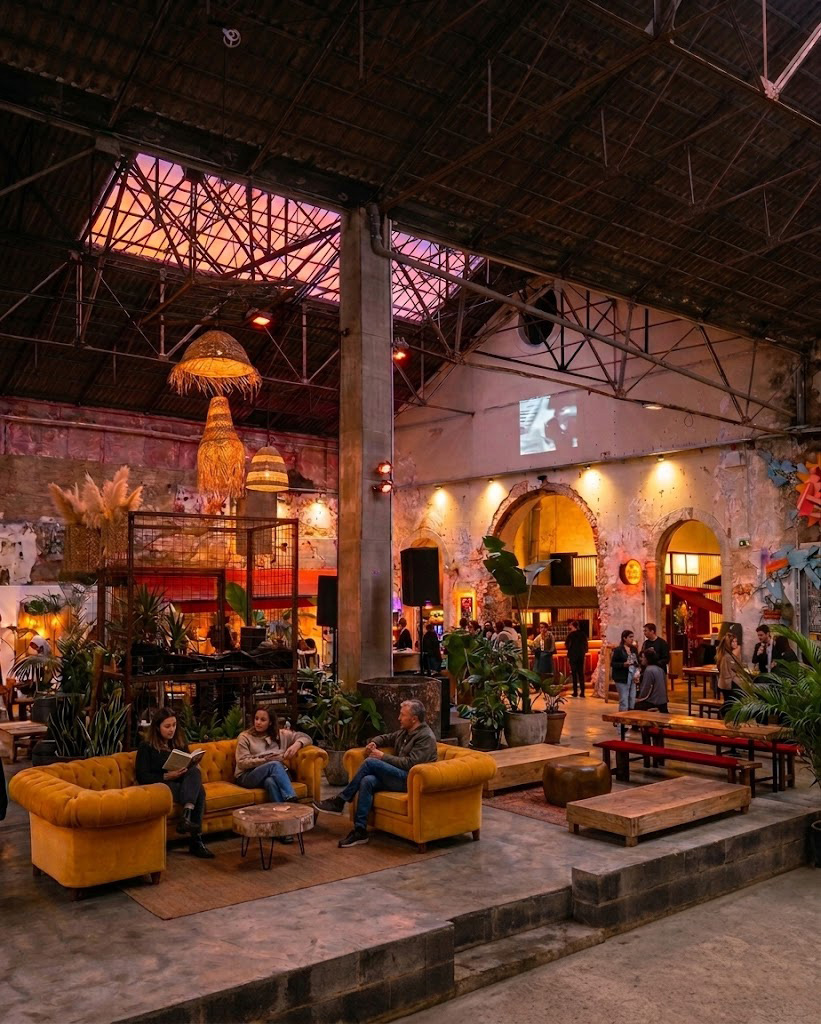
8 Marvila
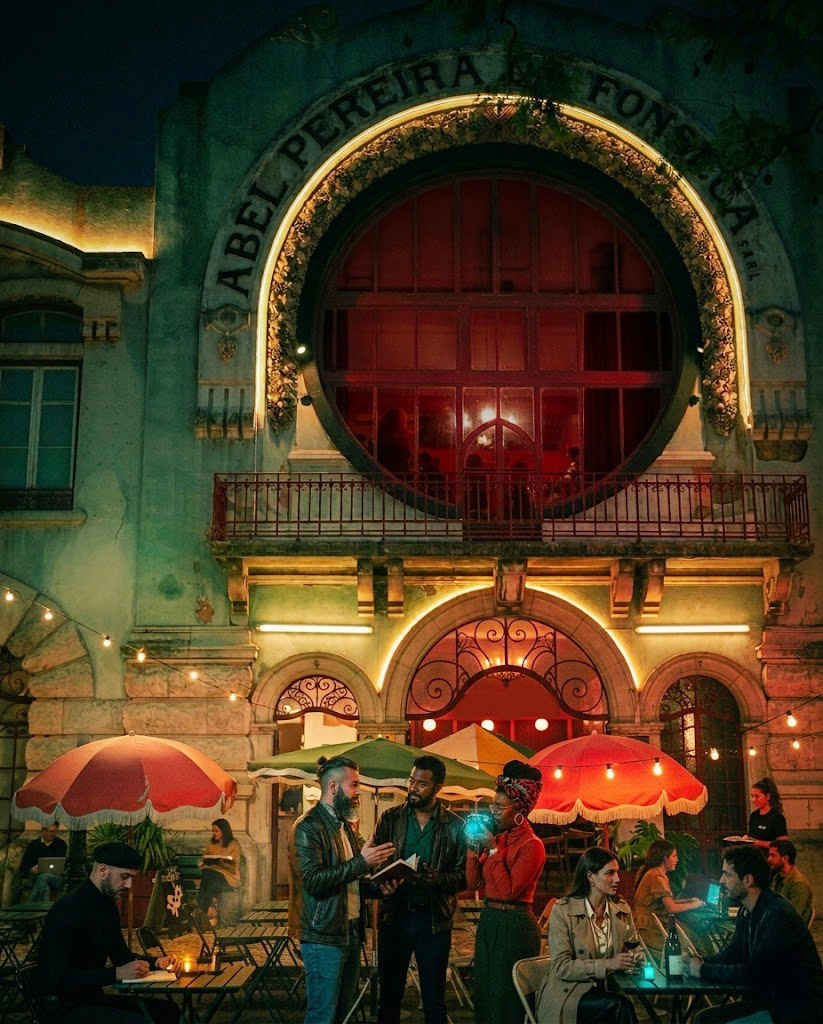
8 Marvila
Lisbon after the night
There is a moment, after everything slows down, when the city changes again.
It doesn’t happen all at once. It fades.
The last bars closing. The music dissolving into the background. People leaving in different directions, until there is no one left.
The streets empty.
And then, something else appears.
The light stays. It settles on the pavement, reflects off the façades, stretches across closed doors and silent streets. Without noise, without movement, the city becomes easier to read.
It is a different Lisbon.
Not the one people come for. Not the one that gets photographed.
A quieter one. More intimate. Almost suspended.
Walking through the Baixa at that hour, or along the river, or up through Alfama, you start to see the city differently. Not as a sequence of places to go, but as a structure that holds itself together.
It is not nostalgic. It is not trying to go back.
But it feels closer to something that was once there.
And perhaps it is only at that hour, in that brief interval between night and morning, that the city becomes familiar again.
Not entirely ours.
But not entirely lost either.
And perhaps it is only at that hour, in that brief interval between night and morning, that the city becomes familiar again.
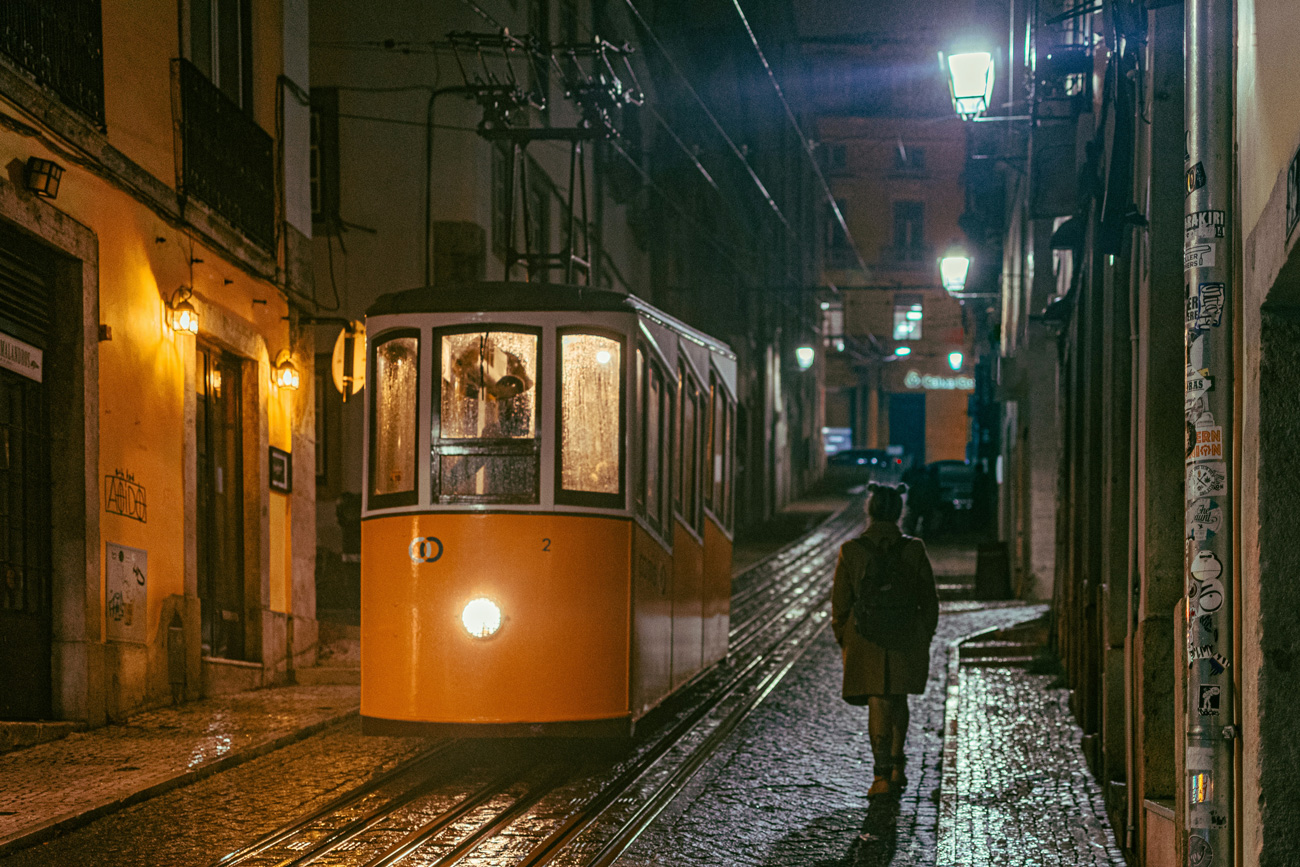
Bica ©Beth Chobanova
A perspective that endures
Lisbon cannot be fully experienced in a single night, nor in a single reading. It is a city made up of cycles, of waves that come and go, of places that emerge and vanish.
My thanks to those who continue to explore it with curiosity and to discover new ways of experiencing it.
Because in Lisbon, as in the sea, there is always the next wave, but rarely in the same place.
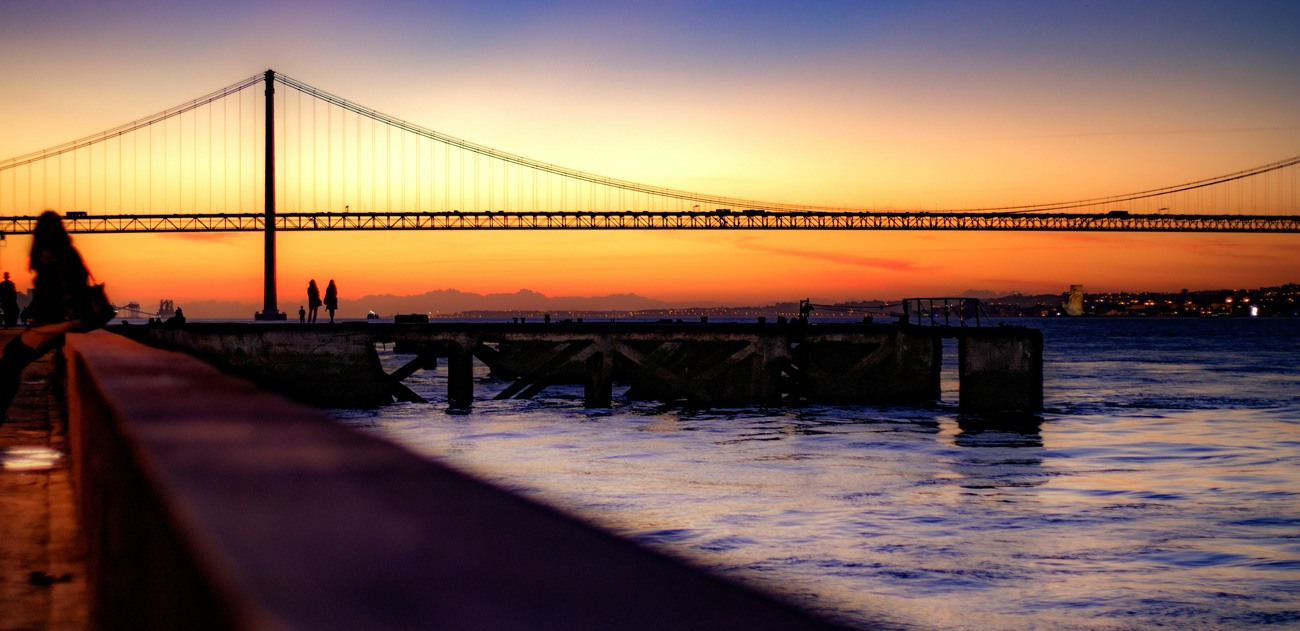
©Joyce Fontoura