



The crisis in hospitality: When what’s missing isn’t just staff
By Álvaro Reis
There is a tension running through restaurant kitchens today. Not just the rise in costs, nor the relentless pace of service. Something deeper is unfolding, a structural shift that cannot be solved by higher wages or shorter hours alone. Hospitality is losing people. But, more critically, it is losing its culture.

Hospitality is losing people. But, more critically, it is losing its culture.
Portugal at a breaking point
The phenomenon began during the pandemic, but it has since become structural.
In Spain, according to data cited by trade unions such as Comisiones Obreras, more than 70,000 workers left the sector in just a few years. In France and Italy, the pattern is familiar: a shortage of chefs, a lack of waiting staff, and growing difficulty in building stable teams.
Portugal is no exception. If anything, the impact feels sharper here, in a country where hospitality is not merely an industry, but a cultural expression.
A European problem, a Portuguese reality
In Lisbon, Porto and the Algarve, the same story unfolds: full dining rooms, record tourism, and kitchens under constant strain.
The paradox is hard to ignore.
People are dining out more than ever, yet it has never been harder to sustain a team.
Chef José Avillez has noted in several interviews that the real challenge today is no longer creativity or concept, but people management. Speaking to Expresso, he stressed that “teams must be nurtured as carefully as any gastronomic project with time, investment and vision”.
Henrique Sá Pessoa has similarly argued for greater professionalisation and the creation of sustainable career paths, in an interview with Público (Fugas).
And perhaps most direct is João Rodrigues, who warns:
“If we lose the connection to people, to the team, the producer, the guest, we lose everything.”

A structural failure: the undervaluation of the craft
At the core of the issue lies a long-standing cultural bias.
Hospitality was never truly regarded as a career of choice.
For decades, the message was implicit, yet clear:
“If you don’t go to university, you end up working in a restaurant.”
That perception still lingers.
Spanish chef Pedro Sánchez (Bagá), quoted in El País, captures the issue succinctly: vocational training was systematically undervalued, creating a generational gap that is now painfully evident.
In Portugal, despite the efforts of hospitality schools, public perception has yet to catch up with the sector’s sophistication and demands.
“If a job only gives you a salary at the end of the month, it makes you a slave.”
Chef Andoni Luis Aduriz
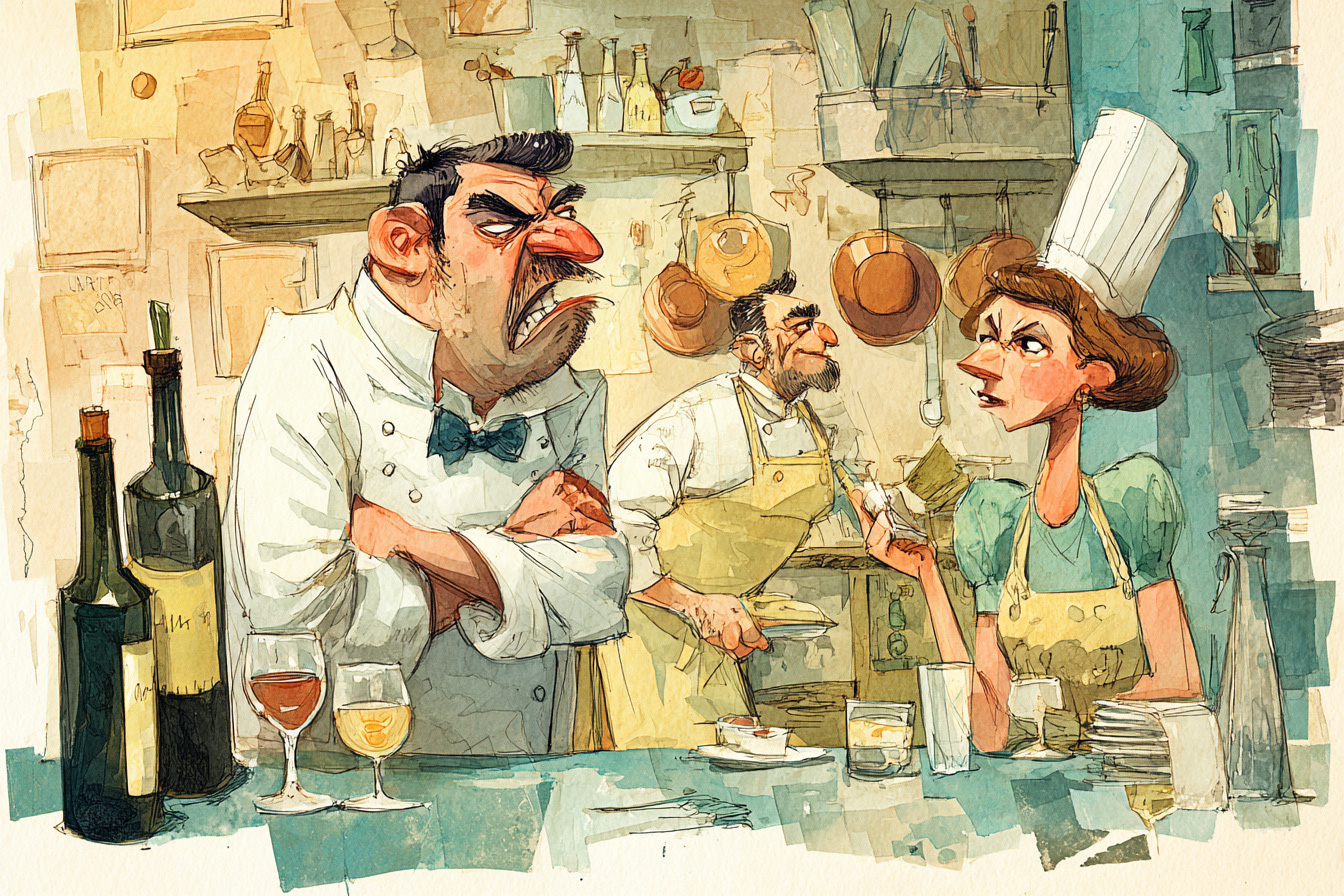
Beyond wages: a question of purpose
The debate is often reduced to pay and working hours. Necessary, certainly but insufficient.
What many European chefs now emphasise is purpose.
Andoni Luis Aduriz puts it plainly:
“If a job only gives you a salary at the end of the month, it makes you a slave.”
Hospitality has always required commitment.
But today, that commitment must be matched by personal growth, a sense of belonging, and a clear sense of direction.

The loss of identity: from kitchen to scale
A more subtle and potentially irreversible, shift is also taking place.
Hospitality is drifting away from its essence.
In recent years, the sector has undergone a profound transformation: the rise of chains, scalable concepts, and experiences designed for replication.
At the same time, countless small portuguese establishments have disappeared, family-run restaurants, neighbourhood tascas, modest spaces where food was simple, honest and personal.
Part of this change was inevitable. Increased regulation, higher standards and greater professionalisation brought important improvements. But they also introduced higher costs, bureaucracy and financial pressure.
Many of these small, family-run businesses, once sustained by proximity and modest margins, could not keep up.
And so they closed.
These were the places of memory: where the owner knew your name, where food tasted like home, where time moved differently.
Today, they have often been replaced by concepts that are more eficiente, but also more impersonal.
As tourism expanded and foreign investment flowed in, projects designed for scale and profitability multiplied. Franchising became dominant in many urban areas.
And, gradually, something essential began to fade: comfort food, home cooking, local identity.
In many cases, gastronomy became product.
But true gastronomy was never just that.
Without identity, there is no connection.
Without connection, no commitment.
Without commitment, no retention.

Without identity, there is no belonging
This transformation has a direct impact on teams.
Working in a restaurant shifts from a creative endeavour to a process.
Without identity, there is no connection.
Without connection, no commitment.
Without commitment, no retention.
And this is where the crisis becomes self-perpetuating.
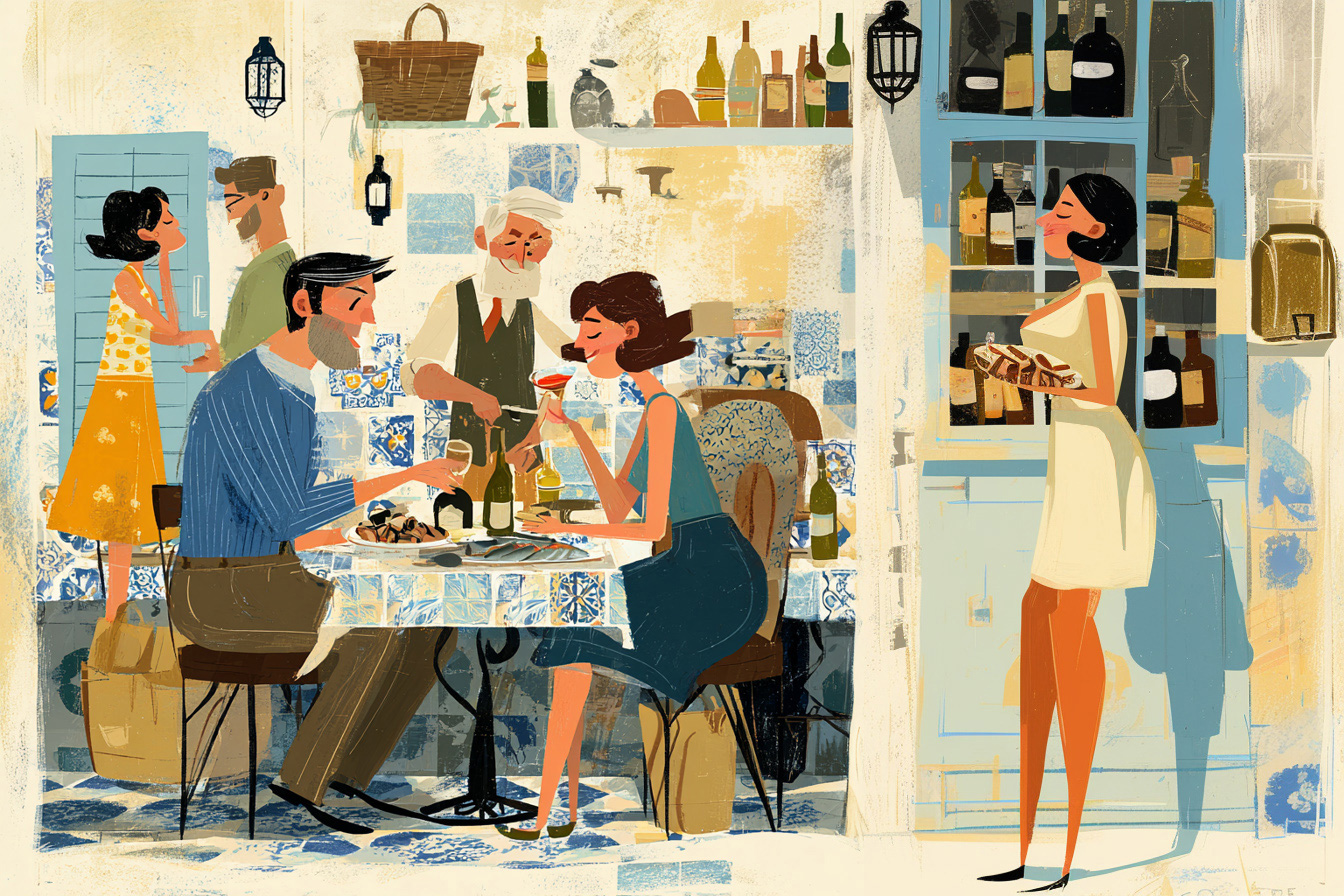
The way forward: train, engage, humanise
If there is one word that runs through every testimony, it is this: training.
But not merely technical training.
To train is to: pass on the craft, build culture, transmit passion, provide contexto and, ultimately, humanise the experience.
Chef Nacho Manzano (Casa Marcial) acknowledges that many professionals will only stay for a limited time and accepts it, provided they leave more skilled, more aware, and more passionate than when they arrived.
That is the real shift.
In Portugal, a new generation of projects is beginning to embrace this approach: more intimate experiences, closer service, smaller and more engaged teams, flatter hierarchies, stronger relationships with producers, and a greater balance between professional and personal life.
They are still the exception.
But they point towards a different future.
Training means: teaching the trade, fostering a culture, instilling passion, providing context, and making the experience more human.
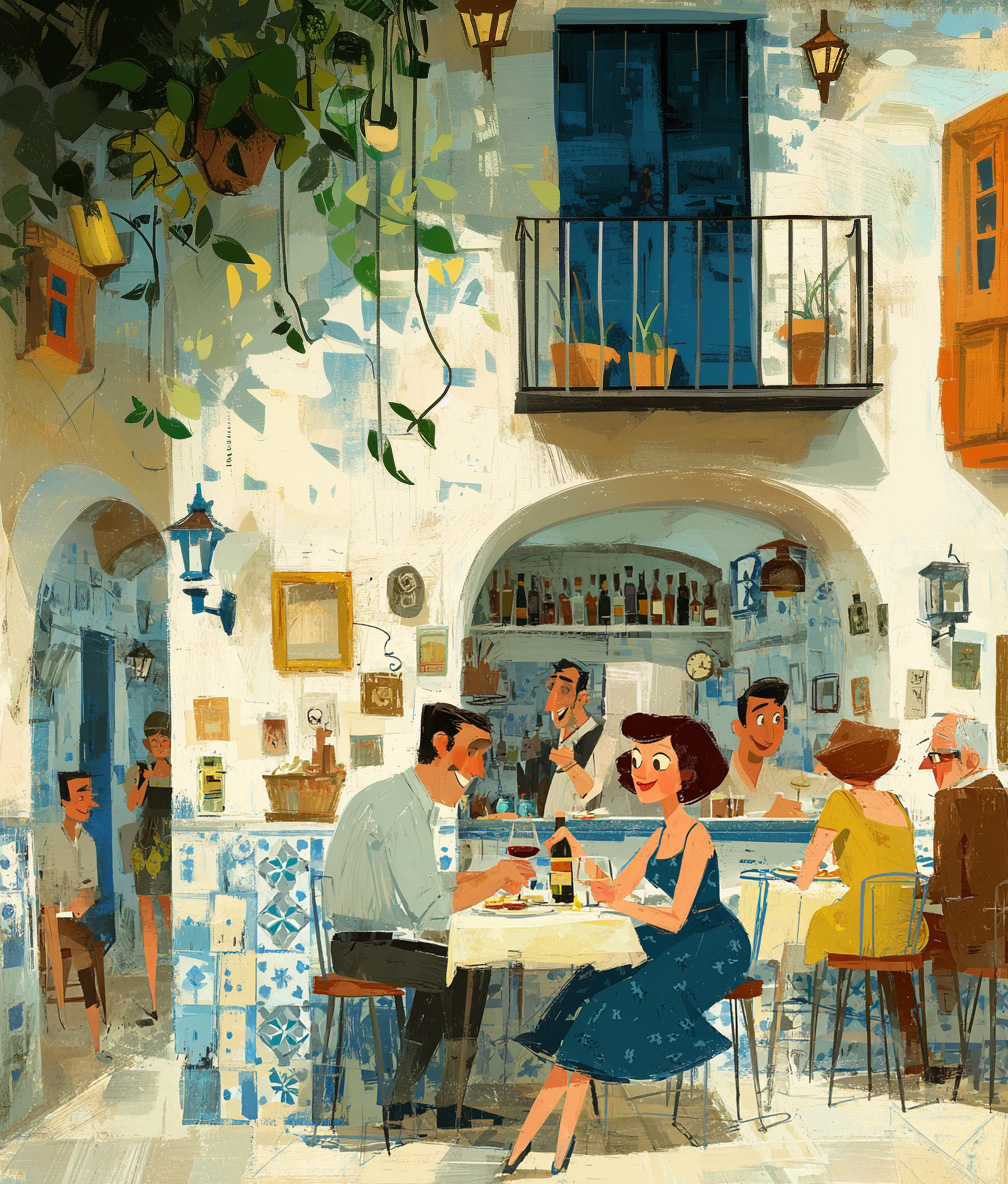
A sector in transition and an opportunity
The crisis in hospitality is not merely a problem.
It is a turning point.
An opportunity to redefine what it means to work in this sector, to restore the value of the craft, and to recover the human dimension of gastronomy.
Because, ultimately, and this may be the most important point, people do not return to a restaurant solely for the food.
They return for the experience.
And that experience begins with the people who make it possible.